/
/
Fasting during periods can be safe for some women, but symptoms and strict no-water vrat rules matter. See health guidance for Navratri and Karwa Chauth.
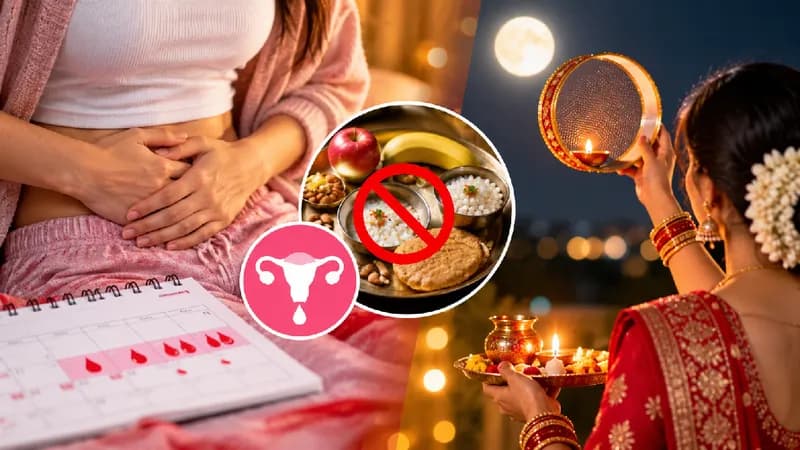
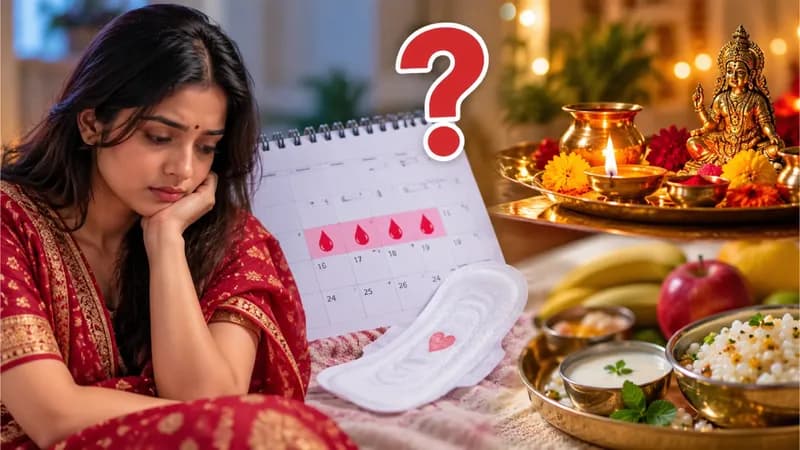
The start of a period on the day of a religious fast can leave many women facing a difficult question: should they continue their vrat or change their plans? For women observing Navratri, Karwa Chauth or Teej, the decision can involve both personal faith and physical discomfort.
Fasting during periods is not automatically unsafe for every woman. However, the type of fast, the severity of menstrual symptoms and a person's overall health can make a significant difference. A fast that allows fluids and nutritious food carries different risks from a strict nirjala vrat, in which both food and water are avoided.
There is also no single religious practice followed by every Hindu family. Customs surrounding menstruation and worship vary, so medical advice and religious guidance should be considered separately.
Here is what women should know before deciding whether to continue a fast during menstruation.
Menstruation is a normal biological process, and having a period alone does not automatically mean a woman must avoid all fasting. The important question is whether the restrictions could worsen her symptoms or interfere with her nutritional and hydration needs.
Some women experience mild cramps and continue their normal activities without difficulty. Others may experience heavy bleeding, severe abdominal pain, headaches, dizziness or significant fatigue.
Restricting food and fluids for long periods may make weakness or light-headedness harder to manage, particularly in hot weather or when someone is already unwell. The risk is greater for people with certain medical conditions or those taking medication that must be timed with meals.
The distinction between different types of fasting matters:
There is no need to treat every menstrual period as a medical emergency. Equally, feeling unwell should not be dismissed as something a woman must simply tolerate to complete a religious observance.
Menstrual symptoms differ from person to person. A fast that feels manageable for one woman may be difficult for another, even if both are observing the same festival.
Not drinking water for an extended period can cause dehydration. Possible symptoms include excessive thirst, headache, dark urine, weakness and dizziness.
Women who already experience light-headedness or have a medical condition affecting blood pressure should be especially cautious. Drinking water before a water-free fast does not guarantee that dehydration will be prevented throughout the day.
Heavy menstrual bleeding can contribute to iron deficiency anaemia. According to the NHS, symptoms can include tiredness, low energy, headaches, shortness of breath and noticeable heartbeats.
Skipping meals does not immediately cause anaemia, but restrictive eating can make it harder to meet nutritional needs. Women with known anaemia or persistently heavy periods should speak to a healthcare professional before attempting a strict fast.
The NHS advises seeking medical assessment if periods are heavy enough to interfere with everyday life. Needing to change a pad or tampon every one to two hours is one possible sign of heavy menstrual bleeding.
Going for long periods without food may leave some people feeling hungry, tired, irritable or unable to concentrate. These effects may be particularly uncomfortable when combined with menstrual cramps or poor sleep.
Women should also be careful if they have diabetes, take medicines that require food or have another condition that makes prolonged fasting unsuitable. Prescribed medication should not be stopped or changed to accommodate a vrat without medical advice.
Period pain can range from mild cramps to pain that affects normal daily activities. A long fast may be harder to manage when someone is already uncomfortable, particularly if the observance also involves standing for long periods or completing demanding household tasks.
The NHS recommends seeking medical advice when period pain is severe, worse than usual or interferes with everyday life.
Fasting is not proven to worsen menstrual symptoms in every woman. The practical point is to consider how you feel rather than assuming that everyone will respond in the same way.
Although menstruation alone does not automatically make fasting unsafe, certain situations call for extra caution.
Women should consider avoiding restrictive or water-free fasting and seeking medical guidance if they have:
Women who are taking medication should also check whether fasting is compatible with their treatment schedule.
Important: If you regularly experience very heavy bleeding, severe pain or unexplained weakness, do not assume these symptoms are simply part of having a period. A medical assessment can help identify the cause and appropriate treatment.
For many families, Navratri fasting is a deeply personal expression of devotion. Some women observe a strict fast, while others eat fruits, drink milk or consume particular foods permitted by their family tradition.
If menstruation begins during Navratri, the decision may depend on the woman's health, the form of fasting she follows and the customs of her household.
From a medical perspective, the key considerations are hydration, nutritional intake, symptoms and existing health conditions. Medical science cannot determine which religious practice a person should follow.
Women who feel well and choose to observe a less restrictive fast may be able to do so, depending on their health circumstances. Those experiencing severe cramps, heavy bleeding or dizziness should prioritise their wellbeing and seek advice when necessary.
Religious customs around menstruation vary across Hindu communities and families. If you are uncertain whether your tradition permits a modified observance, you can consult a trusted religious guide who understands your particular practice.
Karwa Chauth can involve a long fast, and some women observe it without drinking water until the evening or until they see the moon, depending on their tradition.
This makes the question of fasting during menstruation particularly important for women who experience heavy bleeding, weakness or headaches.
A strict water-free fast may increase the risk of dehydration. Women who are already unwell, have anaemia or have a condition that requires regular food or fluids should seek medical advice rather than assuming they must continue regardless of symptoms.
There is no universal medical rule stating that every woman must either observe or skip Karwa Chauth because she is menstruating. Religious expectations also differ between households.
If you are unsure about the religious aspect, discuss the practice with a trusted religious authority. If you are unsure about the physical risks, consult a healthcare professional. These are separate questions, and both deserve a thoughtful answer.
A woman who decides not to fast, or chooses to modify her observance for health reasons, may still wish to participate in the festival.
Depending on her beliefs and family customs, possible alternatives include:
These are possibilities, not universal religious rulings. What is acceptable can differ between traditions and families.
It is also important to respect women who choose to fast when they feel well and have no medical reason to avoid it. The aim is not to judge anyone's devotion but to encourage informed, voluntary decisions.
If you feel well, have no relevant medical restrictions and choose to fast, a few precautions may help you manage the day more comfortably. They cannot eliminate every risk, particularly during a strict water-free fast.
Stay hydrated when your vrat permits fluids. Drink water regularly during permitted hours. Do not assume that drinking extra water beforehand makes prolonged water restriction safe.
Choose nourishing foods during permitted meals. Depending on your fasting rules, options may include fruit, nuts, milk, yoghurt and balanced meals that provide adequate energy and nutrients.
Avoid excessive physical strain. If you feel tired or have cramps, allow time for rest and avoid strenuous exercise or prolonged standing.
Pay attention to iron intake. Women with heavy periods may benefit from discussing their iron needs with a healthcare professional. Foods such as lentils, beans and leafy green vegetables can contribute iron to the diet, but diagnosed anaemia may require specific treatment.
Do not ignore symptoms. If you develop dizziness, marked weakness or worsening discomfort, stop the fast and take appropriate action. Seek medical advice when necessary.
Your body's warning signs should never be ignored simply because a festival is underway.
Stop fasting if you experience significant dizziness, feel close to fainting, develop worsening weakness or cannot carry out normal activities safely. Sit or lie down somewhere safe and, if you are conscious and able to swallow, take suitable fluids and food.
Seek urgent medical attention if you faint, experience chest pain, have severe breathlessness or develop confusion. Severe or unusual menstrual pain and persistently heavy bleeding also warrant medical assessment.
If you need to stop a fast, you do not need to wait until sunset or until a particular ritual is complete before seeking help.
So, can women keep Navratri or Karwa Chauth vrats during periods? Menstruation alone does not automatically rule out fasting, but a strict fast may not be suitable for every woman.
The right decision depends on the type of vrat, menstrual symptoms, hydration, nutritional needs and individual medical circumstances. Women with heavy bleeding, anaemia, severe pain or conditions affected by food and fluid restriction should seek appropriate medical advice.
Religious customs differ, so women who need to modify their observance can discuss the options with a trusted religious guide. Those who choose to fast should also pay attention to their physical wellbeing.
A festival should be a source of meaning, connection and peace, not a reason to ignore serious symptoms. Taking care of your health is a responsible decision, and every woman deserves to make that decision without shame or pressure.
Disclaimer: This article is for general informational purposes only and does not replace personalised medical advice. Consult a qualified healthcare professional if you have heavy bleeding, severe menstrual pain, anaemia or a medical condition that may make fasting unsafe.