/
/
Navratri is one of the most important Hindu festivals, celebrated with devotion to Goddess Durga and her nine divine forms. During these nine days, devotees worship the Goddess, observe fasts, perform prayers, chant mantras and try to maintain a disciplined and spiritually focused lifestyle.

Navratri is one of the most important Hindu festivals, celebrated with devotion to Goddess Durga and her nine divine forms. During these nine days, devotees worship the Goddess, observe fasts, perform prayers, chant mantras and try to maintain a disciplined and spiritually focused lifestyle.
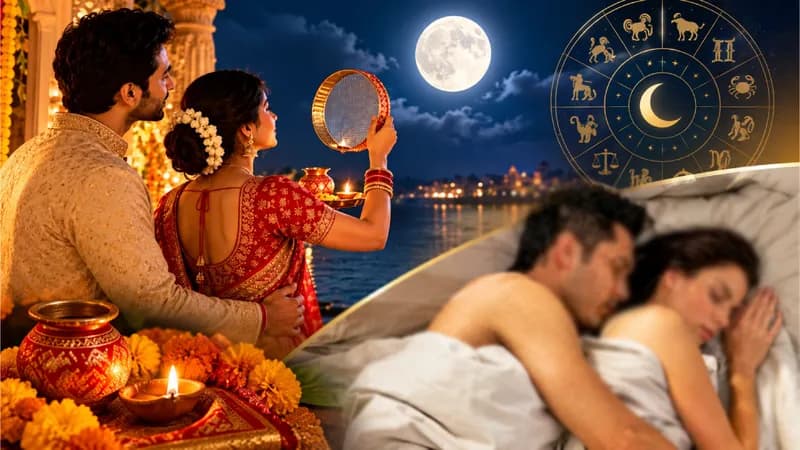
During this period, many devotees also follow specific dietary restrictions and personal religious practices. One question that frequently comes to the minds of married couples is: Can husband and wife have sex during Navratri, or should they avoid physical intimacy for all nine days?
Some people believe that couples should practise Brahmacharya during Navratri, while others consider physical intimacy a private matter between married partners. As a result, people often search online for clear answers about religious rules, fasting restrictions and possible health effects.
The answer depends on your religious tradition, personal beliefs and the specific vows you have taken. Hindu traditions are diverse, and there is no single rule that should automatically be applied to every Hindu household.
In this article, we will explore the religious understanding of Brahmacharya, whether sex during Navratri is considered a sin, how physical intimacy relates to fasting, and what medical science says about sexual activity during this period.
1. Can Married Couples Have Sex During Navratri?
Yes, from a general health perspective, sexual activity is not automatically harmful simply because Navratri is being observed. From a religious perspective, however, the answer depends on the tradition and the vows followed by the couple.
During Navratri, some devotees choose to abstain from sexual activity as part of their spiritual discipline. They may believe that avoiding sensual pleasures helps them concentrate on prayer, meditation and worship.
Other married couples follow their usual marital practices while observing dietary restrictions and performing religious rituals. Their customs may differ according to family traditions, regional practices and individual beliefs.
Consider these three situations:
Therefore, it is not accurate to claim that every married Hindu couple must avoid sex throughout Navratri.
The most important thing is to understand your own religious commitment and make a decision that respects both partners' beliefs and comfort.
2. Why Do Some People Practise Brahmacharya During Navratri?
Brahmacharya is an important concept in Indian spiritual traditions. It is often translated as celibacy, but its meaning can be broader depending on the philosophical or religious context.
In some traditions, Brahmacharya involves complete abstinence from sexual activity. In other interpretations, it refers to self-discipline, moderation, control over the senses and the responsible management of desires.
An educational resource published by the Charaka Samhita Research, Training and Development Centre discusses Brahmacharya in the context of Ayurveda and explains that the concept is not always limited to complete sexual abstinence.
During Navratri, some devotees choose to practise Brahmacharya for the following reasons.
Many devotees dedicate additional time to prayer, meditation, mantra chanting and worship during Navratri. Avoiding certain pleasures may help them maintain the routine they have chosen for their spiritual practice.
For some people, Navratri is an opportunity to practise restraint and become more conscious of their habits, desires and daily activities.
Some devotees voluntarily include celibacy among the rules they follow during a particular fast, ritual or period of worship.
Certain families and spiritual communities encourage abstinence during religious observances. Others may follow different practices.
It is important to remember that Brahmacharya does not have exactly the same practical meaning in every Hindu tradition. Its interpretation depends on the context in which it is practised.
This is one of the most common questions people ask when searching for Navratri fasting rules.
There is no single answer that represents every Hindu tradition. Different religious teachers, families and spiritual communities may have different expectations concerning celibacy during religious observances.
Some traditions emphasise abstinence during fasting and spiritual practices. People following these traditions may consider sexual abstinence an important part of their devotion.
However, this does not establish that sexual relations between married partners are universally considered sinful throughout Navratri.
It is useful to distinguish between three things:
These are not the same.
For example, if a person has explicitly vowed to observe celibacy during all nine days, having sex would conflict with that personal commitment. Someone following a different family tradition may approach the matter differently.
Similarly, claims that Goddess Durga will definitely become angry or that a particular misfortune will occur if a couple has sex during Navratri should not be presented as scientifically established facts or universal Hindu rules.
If you are performing a specific religious ritual, it is reasonable to ask a trusted priest or spiritual guide about its requirements.
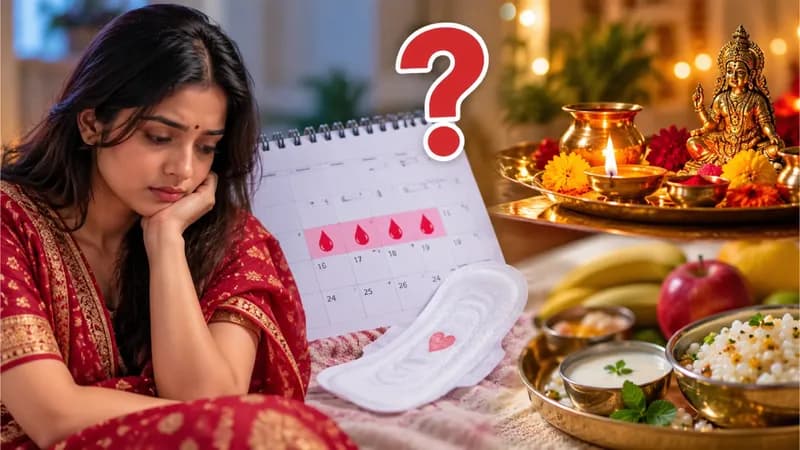
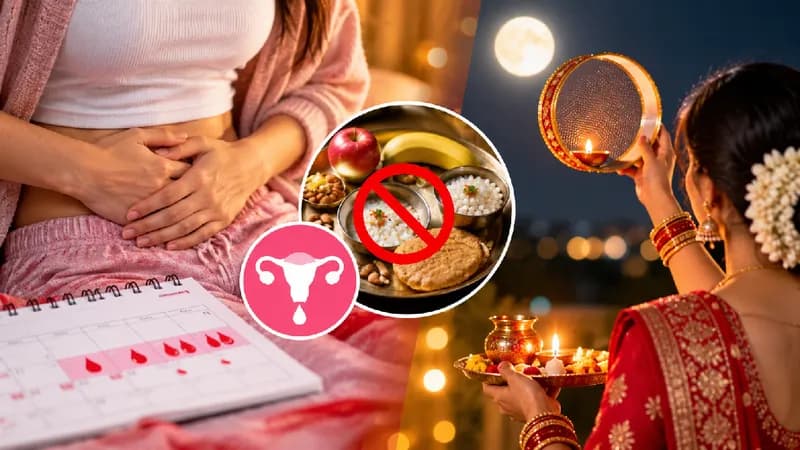
Whether sex breaks a Navratri fast depends on the type of fast and the rules being followed.
Many people observe Navratri by changing their diet. They may avoid certain grains, eat fruits or specific fasting foods, or follow a more restrictive dietary routine.
Other devotees combine fasting with additional religious commitments, such as celibacy, daily worship and restrictions on particular activities.
Here is how to understand the difference.
| Type of observance | How to understand sexual activity |
|---|---|
| Dietary fast | Sexual abstinence is not automatically implied by a dietary restriction alone. |
| Fast with a Brahmacharya vow | Sexual activity may conflict with the vow. |
| Special puja or religious ritual | Follow the specific requirements of that ritual and your tradition. |
| Family-specific Navratri observance | Customs may differ between households. |
A dietary fast and a vow of celibacy are separate commitments, although some people observe both together.
If you are uncertain about your own fast, check the rules you intended to follow before beginning it. This can help prevent unnecessary confusion or guilt.
From a medical perspective, Navratri itself does not create a special physiological condition that makes consensual sexual activity inherently harmful.
There is no established medical rule requiring all healthy adults to abstain from sex specifically because it is Navratri.
However, individual health, energy levels, hydration, sleep and general comfort can affect how a person feels during sexual activity.
Sexual activity may involve physical exertion, but it is not accurate to claim that having sex during Navratri automatically causes weakness, loss of essential nutrients or disease.
The body responds to sexual activity according to several factors, including general health, intensity of activity, rest and individual circumstances.
Similarly, abstaining from sex for nine days does not guarantee a special health benefit for every person.
Fasting practices differ, and some people may consume fewer calories or fluids than usual.
If you experience dizziness, dehydration, significant fatigue or other symptoms while fasting, prioritise your health and rest. Avoid strenuous activity when you are feeling unwell.
People with medical conditions, those taking medicines that require food, and those who have difficulty maintaining adequate hydration should seek appropriate medical advice about fasting.
For a healthy adult who feels comfortable and well, sexual activity is not automatically unsafe simply because they are fasting.
However, if you feel faint, exhausted, dehydrated or unwell, it is sensible to avoid additional physical exertion until you feel better.
The important distinction is that any discomfort may be related to your health or fasting routine rather than to Navratri itself.
There is no established universal medical benefit that every person will experience from avoiding sexual activity for nine days.
Abstinence can be a meaningful spiritual or personal choice, but it should not be promoted as a guaranteed medical treatment or a requirement for physical strength.
This question is slightly different from asking whether sex is religiously permitted.
For many couples, the practical issue is whether sexual activity fits their fasting routine, religious commitments and physical comfort.
If both partners are healthy, comfortable and willing, Navratri alone does not create a medical prohibition against sexual activity.
Nevertheless, couples should consider the following:
Marriage does not remove the need for consent. A spouse's religious beliefs and personal boundaries should be treated with respect.
If one partner wants to practise celibacy during Navratri, the other partner should not use marriage as a reason to pressure them into sex.
Likewise, couples should avoid shaming each other simply because they follow different interpretations of a religious practice.
Differences in religious beliefs can create confusion, particularly when one partner considers abstinence essential and the other does not.
The best approach is usually an honest conversation before the festival begins.
Explain whether you intend to follow Brahmacharya, observe dietary restrictions only, or follow a particular family tradition.
Ask why the practice matters to your partner. Their preference may be rooted in faith, family customs or a personal spiritual commitment.
Statements suggesting that a partner is impure, sinful or responsible for divine punishment should not be used to control their decisions.
Both partners have the right to say yes or no to sexual activity. Neither sex nor abstinence should be imposed through threats, shame or pressure.
If you are following a specific vrat or ritual, a knowledgeable and trusted religious guide may help clarify its requirements.
The aim is not to win an argument. It is to find a respectful way to honour your beliefs while protecting your relationship and emotional well-being.
Several claims about sexual activity during Navratri circulate online. It is helpful to separate religious beliefs from claims that require scientific evidence.
| Common claim | What you should know |
|---|---|
| Sex during Navratri always angers Goddess Durga. | This is a matter of religious belief, not a scientifically established outcome or a universal rule across Hindu traditions. |
| Sex during Navratri makes the body weak. | There is no established evidence that Navratri itself makes sex physically harmful. |
| Every married Hindu couple must practise celibacy for nine days. | Practices vary across families, religious communities and personal vows. |
| Sex automatically breaks every Navratri fast. | A dietary fast and a vow of celibacy are different commitments. |
| Abstaining from sex for nine days guarantees better health. | No universal health benefit is established for every individual. |
| Married people must have sex whenever their spouse wants it. | Consent is necessary in marriage, and either partner can decline. |
Understanding these distinctions allows people to respect religious traditions without spreading fear or presenting unverified claims as facts.
If you are observing Navratri, a balanced approach can help you maintain your religious routine while looking after your health.
Understand whether your observance involves dietary restrictions alone or includes additional commitments such as celibacy.
Choose foods and fluids appropriate to your fasting tradition and health needs. Do not ignore symptoms of dehydration or significant weakness.
Adequate rest can help you manage your daily activities and religious routine more comfortably.
Do not assume that every social media post describing a Navratri restriction represents a rule followed by all Hindus.
Discuss your expectations with your spouse and respect each other's religious beliefs, physical comfort and consent.
If fasting causes significant symptoms or you have a medical condition that could be affected by fasting, seek professional medical guidance.
From a general medical perspective, sexual activity is not automatically harmful during Navratri. Religious expectations vary, so couples should consider their family traditions and any vows they have taken.
Hindu traditions are diverse. Some devotees practise celibacy during Navratri, while others follow different customs. It is not accurate to assume that every Hindu tradition has an identical rule.
There is no single answer that applies to all Hindu traditions. If you have made a specific vow of celibacy, sexual activity may conflict with your commitment. For guidance about a particular ritual, consult a trusted religious authority.
Not necessarily. It depends on the type of fast and the rules you follow. A dietary fast does not automatically mean that a person has also taken a vow of celibacy.
Some couples choose to abstain for spiritual reasons. Others do not follow this practice. Whether abstinence is appropriate for you depends on your beliefs, commitments and circumstances.
There is no general medical prohibition against consensual sexual activity at night simply because Navratri is being observed. Religious customs and personal vows may differ.
Sex does not automatically cause weakness because it is Navratri. However, fasting, dehydration, inadequate nutrition, lack of sleep or underlying health conditions may affect your energy levels.
It is not appropriate to describe Brahmacharya as a universal requirement for every married Hindu couple during Navratri. Some traditions and personal vows emphasise abstinence, while practices vary elsewhere.
Discuss the reasons behind the decision and respect your partner's boundaries. Neither partner should be pressured into sexual activity or abstinence.
This depends on your religious tradition and the commitments you have made. If your observance concerns food restrictions alone, celibacy is a separate question unless your tradition or personal vow includes it.
The question of whether married couples should have sex during Navratri does not have one universal answer for every Hindu household.
Some devotees choose to observe Brahmacharya for all nine days as an expression of spiritual discipline and devotion to Goddess Durga. Others follow their dietary fasting rules without making a separate commitment to sexual abstinence.
From a medical perspective, sexual activity is not inherently harmful simply because Navratri is taking place. Personal health, physical comfort, consent and appropriate sexual protection remain important.
If you have taken a vow of celibacy, following that commitment may be meaningful to your spiritual practice. If you are unsure about a specific religious ritual, seek guidance from a trusted religious authority.
Above all, religious observance should not become a reason to create unnecessary fear, shame or pressure within a marriage.
The most balanced approach is to respect your faith, understand your vows, care for your health and make decisions through mutual understanding and consent.
May these nine days bring devotion, peace, self-discipline and mutual respect into your life.