/
/
Ekadashi is considered one of the most sacred days in Hinduism. Observed twice every lunar month, Ekadashi is dedicated to Lord Vishnu and is associated with fasting, prayer, self-discipline, and spiritual purification

Ekadashi is considered one of the most sacred days in Hinduism. Observed twice every lunar month, Ekadashi is dedicated to Lord Vishnu and is associated with fasting, prayer, self-discipline, and spiritual purification. Many devotees follow specific rules on this day to strengthen their devotion and maintain a peaceful state of mind.
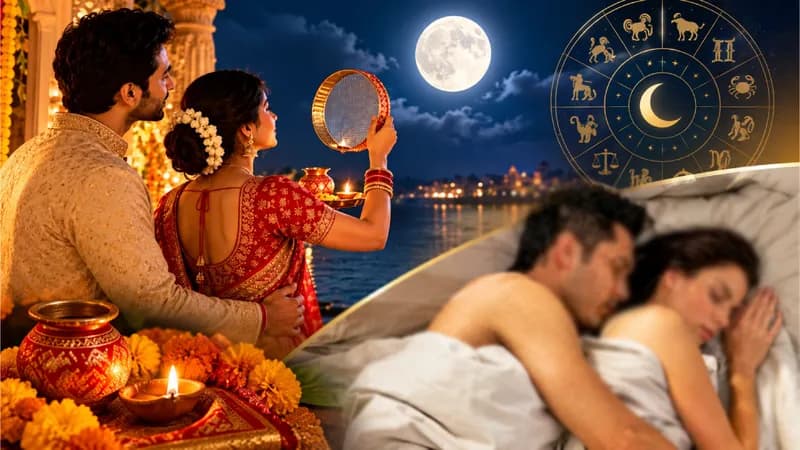
One common question that arises among married couples is: Can we have physical relations during Ekadashi? Is intimacy prohibited on this day, or is it a matter of personal choice?
The answer depends on religious beliefs, family traditions, and the type of vrat (fast) a person observes. While many Hindu traditions recommend avoiding sexual activity on Ekadashi, it is important to understand the spiritual reasoning behind this practice and how couples can approach the subject with mutual respect.

According to many traditional Hindu beliefs, devotees observing Ekadashi are encouraged to practise celibacy, also known as brahmacharya, for the duration of the fast. This generally includes refraining from sexual intercourse and other activities associated with physical pleasure.
The purpose is to devote the day to spiritual activities, including prayer, meditation, chanting Lord Vishnu's name, reading religious texts, and self-reflection.
However, Hindu practices are diverse, and observance can vary according to regional customs, family traditions, personal beliefs, and the specific vows taken by a devotee. There is no single practice followed uniformly by every Hindu household.
Therefore, if you and your partner are wondering whether physical intimacy is permitted during Ekadashi, it is helpful to consider your religious commitments and the traditions you personally follow.
There are several spiritual reasons why celibacy is traditionally encouraged during Ekadashi.
Ekadashi is often regarded as a day for practising discipline and controlling one's senses. Abstaining from certain physical pleasures is considered a way to develop greater self-control and focus on spiritual growth.
Devotees may dedicate additional time to worship, meditation, bhajans, and reading sacred texts. Avoiding sexual activity is traditionally understood as one way to maintain a devotional mindset throughout the observance.
In many Hindu families, observing celibacy during religious fasts is a longstanding custom. Couples who follow these traditions may choose to avoid intimacy on Ekadashi as part of their commitment to the vrat.
Brahmacharya is a broader spiritual principle associated with self-discipline and the responsible regulation of one's senses. In the context of a religious fast, it is often interpreted as abstaining from sexual activity for a specified period.
The exact interpretation of brahmacharya varies among Hindu traditions and spiritual teachers.

Ekadashi observance is closely associated with devotion to Lord Vishnu. Religious texts and traditional teachings emphasise fasting, prayer, purity of conduct, and spiritual discipline.
Many devotees follow the practice of celibacy during Ekadashi because it aligns with their understanding of a day dedicated to devotion and restraint.
However, it is important to distinguish between widely followed religious customs and a universal rule. Hindu traditions include different interpretations of fasting and religious observance, and not every household follows identical restrictions.
If you observe Ekadashi according to a particular sampradaya (religious tradition), family custom, or guru's guidance, you may wish to follow the instructions associated with that practice.
Some couples may worry that having sexual relations during Ekadashi will bring bad luck, incur divine displeasure, or invalidate their fast.
These concerns should be understood within the context of religious faith rather than as established facts.
For devotees who have taken a specific vow to observe celibacy, engaging in sexual activity may be considered inconsistent with that personal religious commitment. If this happens unintentionally or because of differing expectations between partners, they can seek guidance from a trusted religious teacher about how to proceed with their observance.
There is no scientific evidence that sexual intercourse on Ekadashi, by itself, causes physical harm or misfortune.
It is also important not to let religious anxiety create unnecessary guilt, fear, or conflict between partners. Religious observance should be approached thoughtfully and with compassion.
Yes. Sharing a bed, sleeping in the same room, or resting beside your spouse is not the same as engaging in sexual activity.
Couples who wish to observe celibacy during Ekadashi can continue to share their usual sleeping arrangements while respecting their religious commitments.
Some devotees may prefer separate sleeping arrangements as a personal expression of discipline, but this is not a universal requirement for all Hindus.
The decision can depend on individual beliefs, household traditions, and the preferences of both partners.
Differences in religious observance can sometimes create questions within a relationship. One partner may wish to maintain celibacy during Ekadashi, while the other may not follow the same practice.
In such situations, honest and respectful communication is important.
A healthy relationship allows both partners to express their religious beliefs and personal boundaries without fear or coercion.
Many devotees resume their normal activities after completing their Ekadashi observance. The precise timing can depend on the fasting tradition being followed.
For example, devotees who observe a fast until Parana—the prescribed time for breaking the fast—may choose to resume their usual routine after completing the observance according to their tradition.
However, the rules concerning celibacy and the end of the observance vary. Some people follow restrictions only on Ekadashi, while others may follow additional practices according to family custom or spiritual guidance.
If you follow a specific religious tradition, consult its customary instructions rather than assuming that every Ekadashi observance has identical rules.
For many devotees, the spiritual value of Ekadashi lies in devotion, sincerity, prayer, self-discipline, and the intention behind observing the fast.
Those who believe celibacy is part of their vrat may consider abstinence an important expression of their commitment. Others may interpret the observance differently according to their religious tradition.
It would be inaccurate to claim that every Hindu tradition applies the same rule or that a particular consequence automatically follows from sexual activity on Ekadashi.
If you are concerned about a religious vow you have taken, a knowledgeable priest or spiritual guide from your own tradition can help clarify its expectations.
1. Is physical intimacy prohibited on Ekadashi?
Many Hindu traditions recommend avoiding sexual activity on Ekadashi as part of practising celibacy and self-discipline. However, customs and interpretations vary, so there is no single practice followed by every Hindu.
2. Can a husband and wife have sex during Ekadashi?
Couples who follow traditions that prescribe celibacy generally avoid sexual intercourse during the observance. Others may follow different household customs. The decision should reflect their religious commitments and mutual agreement.
3. What happens if we have physical relations during Ekadashi?
The religious interpretation depends on the tradition and any specific vow a person has taken. Some devotees may regard it as inconsistent with their observance, but there is no scientific evidence that intercourse on Ekadashi automatically causes bad luck or physical harm.
4. Can we sleep in the same bed during Ekadashi?
Yes. Sharing a bed or sleeping in the same room is different from sexual activity. Couples who wish to observe celibacy can continue their usual sleeping arrangements if they are comfortable doing so.
5. Is brahmacharya compulsory on every Ekadashi?
Celibacy is encouraged in many traditional approaches to Ekadashi, but the exact rules depend on the religious tradition, family custom, and the nature of the vow being observed.
6. Can we have physical relations after breaking the Ekadashi fast?
Many devotees return to their usual routine after completing their observance and breaking the fast at the appropriate time. Specific practices may vary, so follow the guidance associated with your tradition.
7. Is it wrong to feel sexual desire on Ekadashi?
Experiencing sexual desire is a normal human experience. Devotees who choose to observe celibacy may practise self-restraint during the fast without treating the mere presence of desire as a reason for shame or guilt.
Disclaimer: This article provides general information about Hindu religious customs and relationship practices. Interpretations of Ekadashi observance vary across communities, families, and spiritual traditions. For guidance on a specific vrat or religious vow, consult a knowledgeable priest or spiritual teacher from your tradition.