/
/
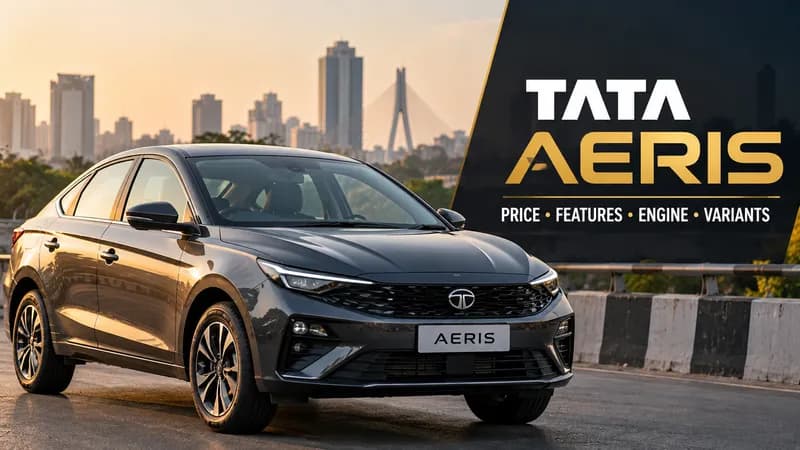
Tata Motors Passenger Vehicles will raise car, SUV and EV prices by an average of 0.5% from December 1, 2026. Here is what buyers should know.
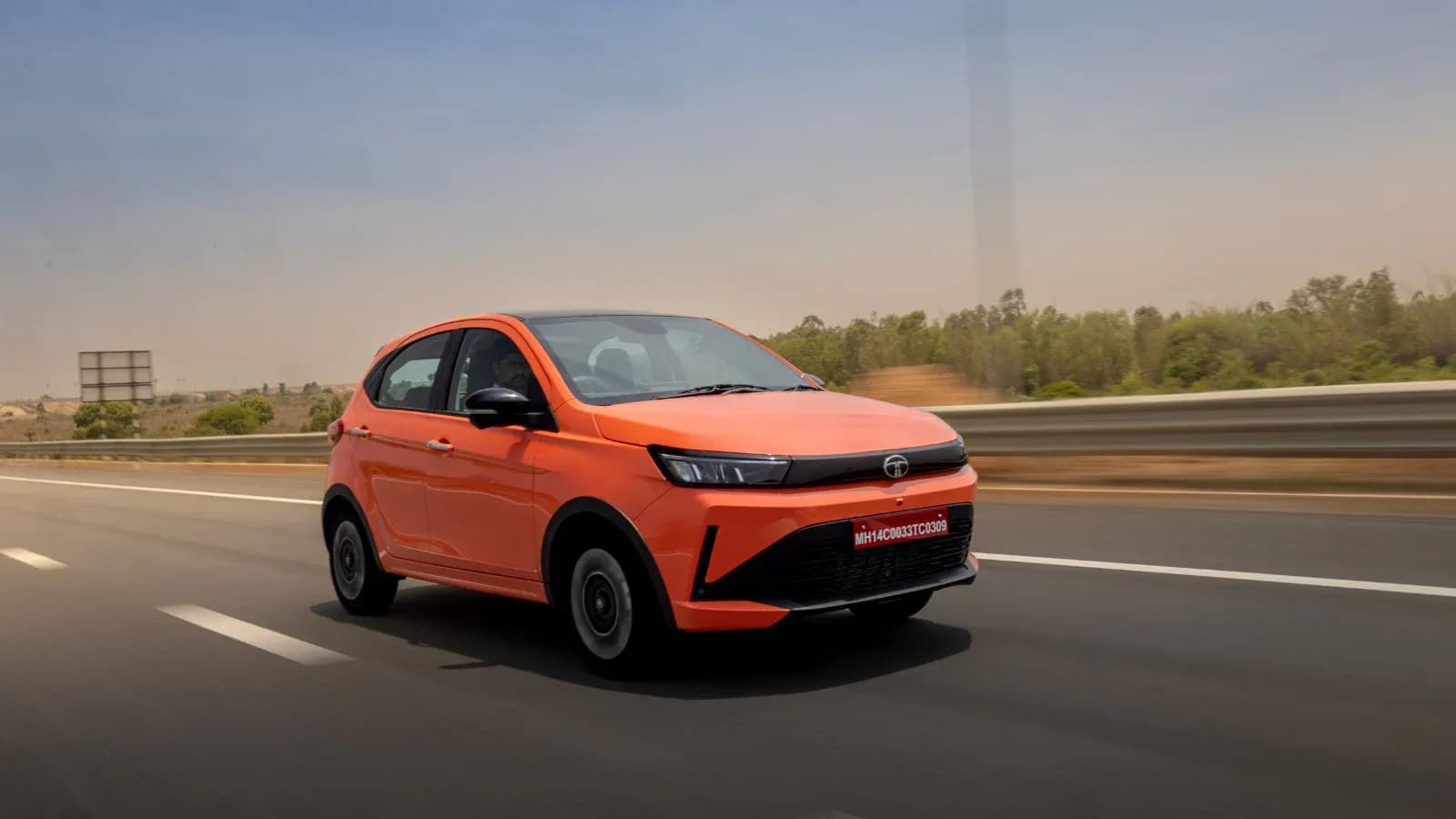
Tata Motors Passenger Vehicles Ltd (TMPV) will raise prices across its car and SUV range by an average of 0.5% from December 1, 2026. The increase covers both petrol and diesel models and electric vehicles. It was announced on Tuesday, November 24. The company says rising input costs are behind the move.
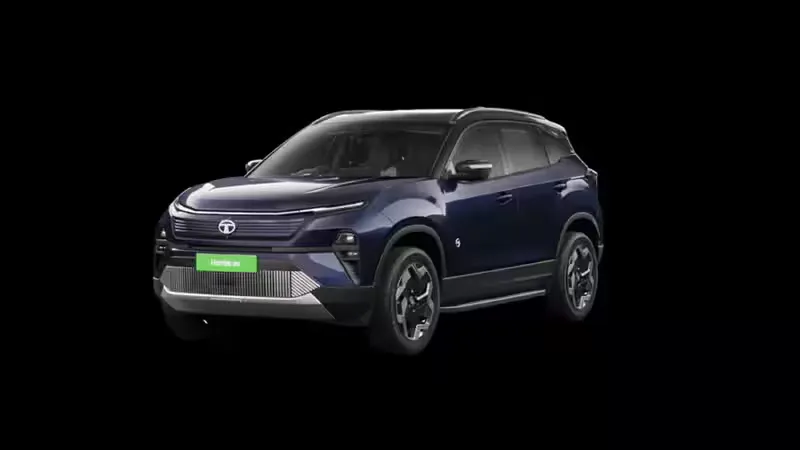
TMPV announced a price increase across its entire passenger vehicle portfolio, covering internal combustion engine (ICE) models and EVs. The company has said that the size of the increase will vary across models and variants. The 0.5% figure is an average, so what a buyer pays extra will depend on the vehicle and trim they choose.
Tata Motors has not published a model-by-model list in the statements reported so far. Buyers will need to check the revised price lists on the company website or with their dealer once the new rates take effect.
The carmaker cites persistently high input costs. It says it has been absorbing a significant share of the higher costs, but has decided to pass part of the burden on to customers. The company has also said its vehicles will continue to offer strong value.
No. Reports describe the December revision as the fourth round of increases announced by Tata Motors Passenger Vehicles this year. One report says the company raised prices by up to 1.5% across ICE and electric vehicles from July 1, after an earlier adjustment in April 2026. Outlets differ on whether the count refers to the calendar year or FY27, so the exact tally should be treated with caution.
Compared with the July hike, the December increase is small on average. It is still the latest in a run of price rises through the year.
Tata Motors is not alone. According to a roundup by Carlelo, Hyundai Motor India has announced a selective increase of up to Rs 8,000 from December 1, 2026. The same report says Audi India will raise ex-showroom prices by up to 2% from January 1, 2027. Carmakers have cited commodity costs, inflation and supply-chain pressure.
For anyone planning to buy a Tata petrol, diesel or electric vehicle, the announcement creates a short window before the new rates apply. A 0.5% average increase is modest. On a car priced at Rs 10 lakh, that works out to roughly Rs 5,000, though the real figure will depend on the variant.
Buyers who book before December 1 may be able to lock in current prices. That depends on the company's and the dealership's booking and delivery terms, which can differ. Dealers can confirm whether the price at the time of booking or at delivery applies, and which offers or discounts are available.