/
/
Karwa Chauth 2026 will be observed on Thursday, October 29. The Hindu festival is traditionally associated with married women observing a day-long fast and praying for their husbands' well-being, longevity and happiness.
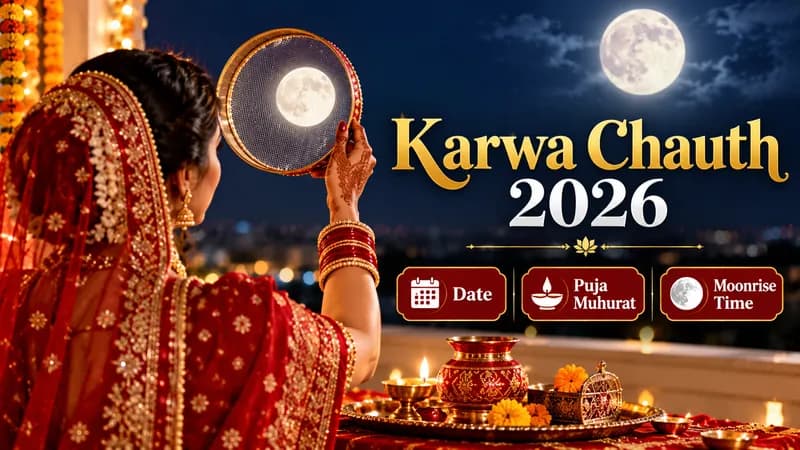
Karwa Chauth 2026 will be observed on Thursday, October 29. The Hindu festival is traditionally associated with married women observing a day-long fast and praying for their husbands' well-being, longevity and happiness. The evening rituals include worshipping Goddess Parvati, Lord Shiva and Lord Ganesha, listening to the Karwa Chauth vrat katha and offering prayers to the Moon.
The most important timings for the day are the evening puja muhurat and local moonrise. According to Drik Panchang's calendar for New Delhi, the puja muhurat is scheduled from 5:38 PM to 6:56 PM, while the Moon is expected to rise at approximately 8:17 PM. These timings are specific to Delhi and may differ in other cities.
Devotees should also check the Chaturthi Tithi and local Panchang before finalising their fasting and puja schedules.
Karwa Chauth falls on Thursday, October 29, 2026. It is observed on Chaturthi, the fourth lunar day during Krishna Paksha, the waning phase of the Moon.
The festival is commonly associated with Kartik Krishna Paksha Chaturthi in regions following the Purnimanta lunar calendar. In areas that follow the Amanta calendar, the lunar month may be identified differently, although the festival is observed on the same date.
The occasion is marked by fasting, prayers, traditional clothing, mehndi, family gatherings and the evening moon-viewing ritual.
The following schedule is based on the published Panchang timings for New Delhi.
| Event | Date and Time |
|---|---|
| Karwa Chauth 2026 | Thursday, October 29 |
| Chaturthi Tithi begins | October 29, 1:06 AM |
| Chaturthi Tithi ends | October 29, 10:09 PM |
| Karwa Chauth puja muhurat | 5:38 PM–6:56 PM |
| Expected moonrise in New Delhi | Approximately 8:17 PM |
| Indicative fasting period in New Delhi | 6:31 AM–8:17 PM |
Source: Drik Panchang's New Delhi Karwa Chauth calendar. Timings are local to New Delhi and should not be treated as nationwide timings.

The Karwa Chauth puja is an important part of the festival. In New Delhi, the published evening puja muhurat for October 29, 2026, is approximately 5:38 PM to 6:56 PM.
During this period, devotees traditionally worship Goddess Parvati, Lord Shiva and Lord Ganesha. The puja may include lighting a diya, offering flowers and other customary items, listening to the vrat katha and praying for the well-being of the family.
The precise ritual sequence can vary according to regional customs and household traditions. Some families conduct the puja together in a community setting, while others perform it at home.
The puja muhurat and moonrise time serve different purposes. The former is the recommended period for the evening worship, while the latter indicates when devotees can perform the traditional Moon ritual and complete the fast.
Because auspicious timings depend on location, devotees should consult a Panchang for their city rather than automatically applying Delhi's schedule.
Moonrise is one of the most anticipated moments of Karwa Chauth. After observing the fast throughout the day, devotees traditionally wait for the Moon to become visible before offering arghya and completing their vrat.
For New Delhi, moonrise on October 29, 2026, is expected at approximately 8:17 PM. The actual time varies by location, so the schedule in Mumbai, Bengaluru, Kolkata, Jaipur, Lucknow, Bhopal and other cities may differ.
Cloud cover and local weather conditions can also affect visibility. The astronomical moonrise time does not guarantee that the Moon will be immediately visible from every location.
Devotees should check their local moonrise time before planning the evening ritual.
The Moon is central to the traditional conclusion of the Karwa Chauth fast. After moonrise, devotees commonly view the Moon through a sieve, offer water as arghya and perform prayers according to their family customs.
In many households, the fasting woman then looks at her husband through the sieve. The husband may offer her water and a sweet before she eats a meal.
Although these customs are widely followed, the details of the ritual can differ between communities and families.
Karwa Chauth rituals usually begin before sunrise and conclude at night after the Moon is worshipped. Families may adapt the sequence according to their regional and religious traditions.
In families that follow the sargi tradition, the day begins with a pre-dawn meal. It is commonly prepared or given by the mother-in-law and may include fruit, dry fruits, sweets and other foods.
Sargi is generally eaten before the fasting period begins, according to the family's customary schedule.
Arrange the customary puja items in advance, including a karwa, water, diya, roli or kumkum, rice, flowers and offerings. A decorated puja thali and sieve may also be used.
Families can add other items according to their local traditions.
During the evening puja, devotees offer prayers to Goddess Parvati, Lord Shiva and Lord Ganesha. The rituals may include lighting a diya, offering flowers and listening to the Karwa Chauth vrat katha.
Some communities gather in groups to perform the puja and recite traditional prayers together.
The vrat katha is a traditional part of the observance. Devotees listen to or recite the story during the puja, reflecting on devotion, faith and the significance attached to the fast.
Different regions may follow different versions of the traditional stories.
Once the Moon is visible, devotees perform the customary moon-viewing ritual and offer water as arghya. Some women view the Moon and their husbands through a sieve as part of the ceremony.
The fast is traditionally completed after the Moon ritual. In many households, the husband offers the fasting woman water and a sweet before she has a meal.
The precise method of breaking the fast depends on family and community traditions.
Preparing the puja materials beforehand can make the evening rituals easier to organise.
Commonly used items include:
Karwa, or a traditional earthen pot, filled with water
Puja thali
Diya and cotton wicks
Roli or kumkum and akshat
Flowers and rice
Incense sticks, if used
Fruits, sweets and other customary offerings
Images or idols of Goddess Parvati, Lord Shiva and Lord Ganesha
A sieve for the traditional moon-viewing ritual
A glass of water for completing the fast
Some families also use a kalash, red cloth, decorated thali or additional offerings prescribed by household tradition.
The list is not universal, and devotees can follow the practices customary in their families.
Sargi is a pre-dawn meal associated with Karwa Chauth fasting. In many North Indian families, the mother-in-law prepares or gives sargi to her daughter-in-law before the day begins.
The meal often includes fruits, nuts, dry fruits, sweets and other foods selected according to family preferences. Some households also include traditional preparations.
Sargi is intended to be eaten before the fasting period starts. Families may prepare the meal the previous evening to make the morning routine easier.
The timing and contents of sargi vary between households. Anyone who needs to modify fasting practices for health reasons should prioritise appropriate medical advice over customary restrictions.
Karwa Chauth fasting practices differ by community, family custom and individual circumstances. The following are common features of the traditional observance.
Fasting duration: The fast traditionally begins after the pre-dawn meal or before sunrise and continues until the Moon ritual at night.
Nirjala vrat: Many devotees observe a waterless fast, refraining from both food and water. Others follow modified practices according to their needs and customs.
Sargi: In families that observe the tradition, the pre-dawn meal is eaten before the fasting period begins.
Evening puja: Devotees worship the deities and listen to the vrat katha as part of the evening observance.
Moon worship: The traditional fast is generally completed after the Moon is sighted and the customary prayers are performed.
Regional variations: Rituals, clothing, food practices and puja materials may differ between communities.
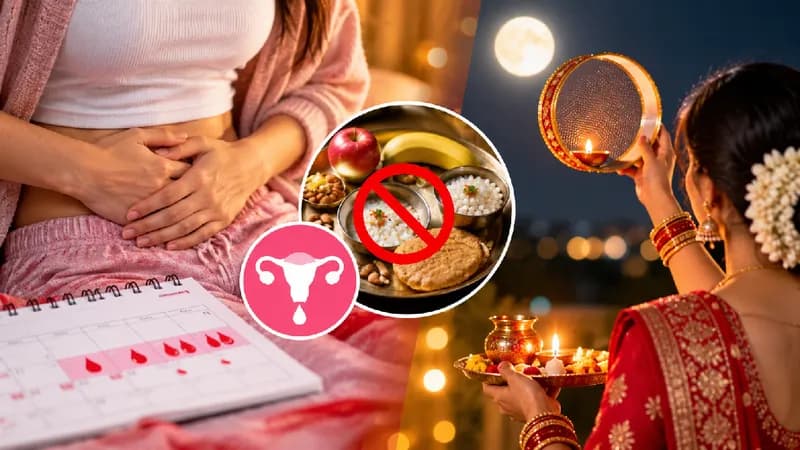
Fasting is not suitable for everyone. Prolonged or waterless fasting may pose health risks, particularly for people with diabetes, those taking medication that requires food or water, pregnant or breastfeeding women, and individuals with certain medical conditions. Anyone concerned about fasting should seek advice from a qualified healthcare professional and avoid putting their health at risk.
Karwa Chauth is traditionally associated with prayers for the well-being, happiness and longevity of married couples. Its rituals are passed down through generations, and the vrat katha remains an important part of the evening puja.
One widely known story concerns Veeravati, a woman observing her first Karwa Chauth fast at her parents' home. According to a traditional version of the tale, her brothers become concerned about her hunger and create the appearance of moonrise using a light and a sieve. Believing that the Moon has appeared, Veeravati breaks her fast early.
The story continues with difficulties involving her husband's fate and her subsequent devotion to completing the observance correctly. Versions of the legend differ, but the tale is commonly shared to explain the importance of faith and adherence to the traditional fast.
Other stories associated with Karwa Chauth include the devotion of Karwa and the tale of Savitri and Satyavan, which is also closely connected with the separate Vat Savitri tradition. The stories followed during the festival may vary by region.
Karwa Chauth is especially associated with North Indian communities, including families in Punjab, Haryana, Delhi, Rajasthan, Uttar Pradesh and Himachal Pradesh. Observances have also spread to other parts of India and to Indian communities overseas.
Preparations may begin several days before the festival, with families shopping for festive clothing, jewellery, mehndi supplies, puja materials and gifts.
On the day, many women wear sarees, lehengas or other traditional outfits. Some apply mehndi, decorate their homes and prepare puja thalis before gathering for the evening rituals.
The celebration often brings family members together and provides an opportunity to maintain customary practices. While the traditional fast is generally observed by married women, some unmarried women also participate according to family or community traditions. Some couples choose to fast together.
Ultimately, participation and the specific rituals are matters of personal choice and family custom.
Karwa Chauth will be observed on Thursday, October 29, 2026.
The published puja muhurat for New Delhi is approximately 5:38 PM to 6:56 PM on October 29. The auspicious period may vary by location.
The Moon is expected to rise at approximately 8:17 PM in New Delhi on October 29, 2026. Timings differ between cities.
According to the published New Delhi Panchang, Chaturthi Tithi begins at 1:06 AM on October 29 and ends at 10:09 PM on the same day.
Sargi is traditionally eaten before sunrise and before the fasting period begins. Families may follow different customary cutoffs, so devotees should confirm their local fasting schedule.
Common items include a karwa filled with water, puja thali, diya, roli or kumkum, rice, flowers, sweets, a sieve and water for completing the fast. Additional items depend on family tradition.
Some unmarried women observe the fast according to family or community customs, including prayers for a desired life partner. Participation is not universal and is a matter of personal and family choice.
No. Observing the fast is a personal and religious choice. Anyone for whom fasting may pose a health risk should seek medical advice and consider a safer alternative.
No. Puja muhurat, fasting schedules and moonrise times vary by geographical location. The published Delhi timings should not be applied automatically to other cities.
Karwa Chauth 2026 falls on Thursday, October 29, with the evening puja and Moon ritual forming the central parts of the traditional observance. In New Delhi, the published puja muhurat is 5:38 PM to 6:56 PM, and moonrise is expected at approximately 8:17 PM.
Devotees should confirm their local Panchang timings before planning the vrat, sargi and evening rituals. As family customs and individual circumstances differ, the festival can be observed in a way that respects tradition while keeping personal well-being in mind.