/
/
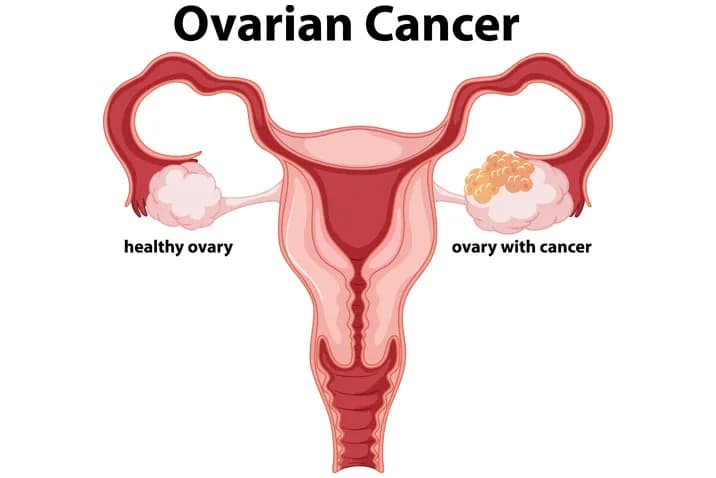
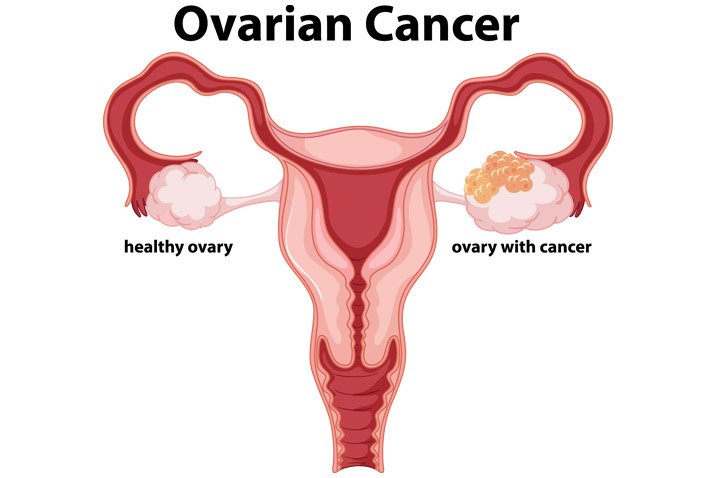
Ovarian cancer is a growth of cells that forms in the ovaries. The cells multiply quickly and can invade and destroy healthy body tissue.
The female reproductive system contains two ovaries, one on each side of the uterus. The ovaries — each about the size of an almond — produce eggs (ova) as well as the hormones estrogen and progesterone.
Ovarian cancer treatment usually involves surgery and chemotherapy.
Every year, on May 8, World Ovarian Cancer Day is observed to raise awareness of ovarian cancer. The purpose of the day is to inform people about the signs, risk factors, and ways to avoid contracting this lethal disease.
This cancer is the fifth most common cancer-related death among women, so early detection is essential for successful treatment. The purpose of World Ovarian Cancer Day is to raise public awareness and encourage education to assist women worldwide in detecting and treating ovarian cancer in its earliest stages.
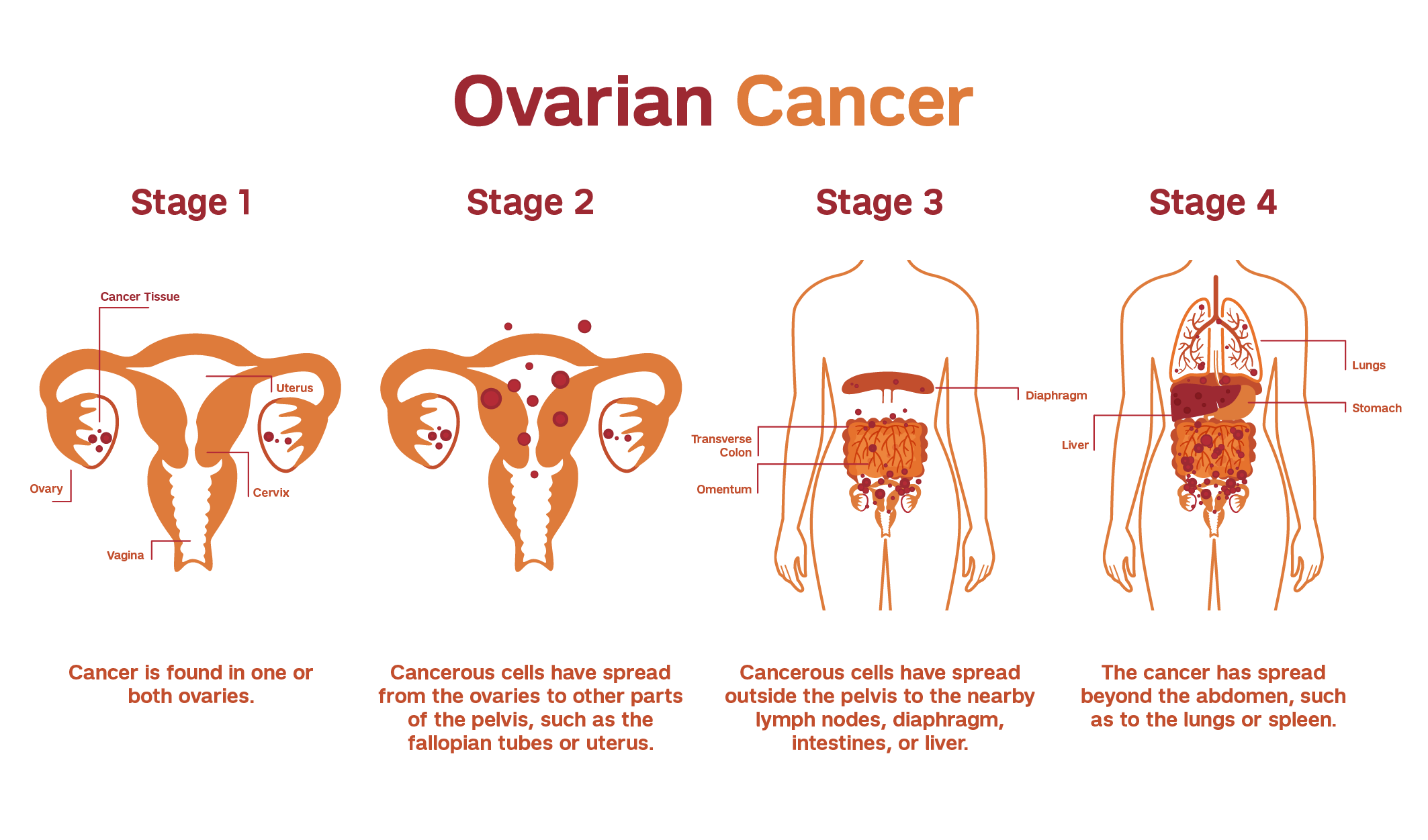
There may be no obvious symptoms when pelvic cancer first appears. When symptoms of ovarian cancer occur, they typically are attributed to other, more typical conditions.
Signs and symptoms of ovarian cancer may include:

Tests and procedures used to diagnose cancer include:

Treatment of cancer usually involves a combination of surgery and chemotherapy. Other treatments may be used in certain situations.
Operations to remove cancer include:
Chemotherapy is a drug treatment that uses chemicals to kill fast-growing cells in the body, including cancer cells. Chemotherapy drugs can be injected into a vein or taken by mouth.
Chemotherapy is often used after surgery to kill any cancer cells that might remain. It can also be used before surgery.
Targeted drug treatments focus on specific weaknesses present within cancer cells. By attacking these weaknesses, targeted drug treatments can cause cancer cells to die.

World Ovarian Cancer Day is significant because it raises awareness about ovarian cancer, which is often referred to as the "silent killer" due to its vague symptoms and lack of early detection methods. The day also highlights the need for early diagnosis, effective treatments, and support for those affected by ovarian cancer.