/
/

Oral sex is a commonly performed act of foreplay involving the kissing or licking of the genital area to pleasure a partner.
HPV can spread during oral sex, increasing the possibility of cancer In the United States, HPV is the most common sexually transmitted virus. Risks associated with sexual health range widely.
However, worrying about potential health issues can reduce intimacy and, ultimately, the quality of life between partners. When it comes to safeguarding against issues with sexual health doctors always advise caution.


Oral sex involves using the mouth to stimulate the genitals or genital area of a partner.
This type of sex can spread sexually transmitted infections (STIs) such as:

Oral cancer is not directly caused by the HPV infection. The infection triggers changes in the contaminated cells. The infection's hereditary material turns out to be important for disease cells, making them develop.
In the United States, HPV is responsible for 70% of throat or oropharyngeal cancers. These cancers typically develop in the tonsils or the back of the tongue.
Most HPV infections go away in two years, according to trusted sources. Because smoking damages the skin's immune cells, smokers have a lower chance of clearing an HPV infection. Usually, this help prevents damage caused by viruses.

Some low-riskTrusted Source kinds of HPV can cause the development of moles in the mouth and throat. Typically, these growths are benign.
However, severe airway obstruction and complications may result. In very uncommon cases, these moles become harmful.
High riskTrusted Source If the immune system does not get rid of the infection, HPV can lead to multiple types of cancer.
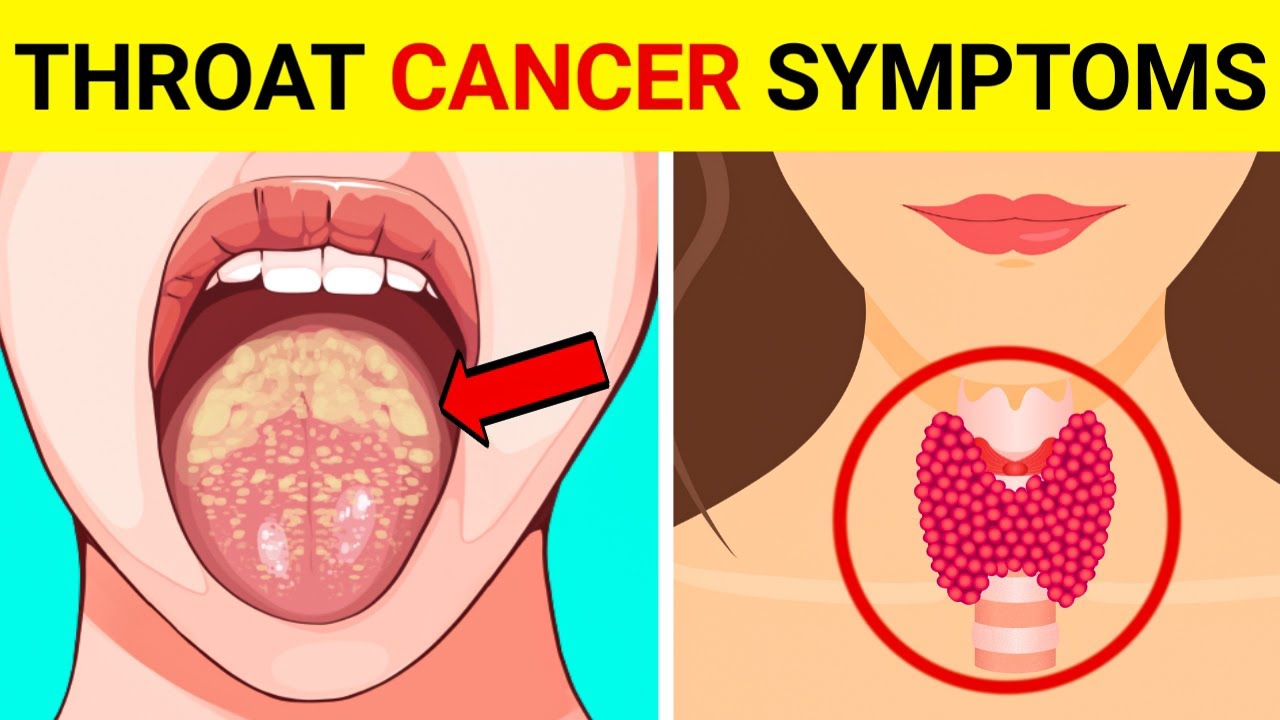

The symptoms of HPV are often “silent,” and people will usually not know they have the virus.
However, the condition may be advancing to an early stage of oral cancer when the following signs start to occur: