/
/
Minahil Malik denies viral video claims, calls the clip AI-edited, files an FIA complaint, and renews debate over online privacy and deepfake abuse.
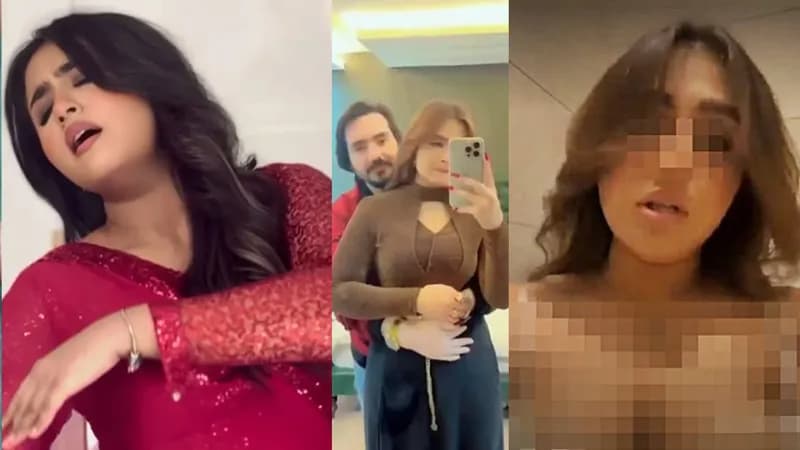
A fresh wave of online controversy has once again put Minahil Malik viral video searches at the top of social media trending lists. The Pakistani TikTok star hasn't stayed quiet about it either, she's come out strongly, saying the clip making rounds online is AI-edited and nothing more than a deliberate attempt to destroy her reputation.
The video has spread like wildfire across platforms, but here's the thing: nobody has independently verified whether it's real. Minahil Malik has been consistent, the content is fabricated, and she's asking people to stop sharing it.
Minahil Malik didn't mince words. She's called the videos circulating online outright fake and digitally manipulated. Going a step further than just a public denial, she's filed a formal FIA complaint with Pakistan's Federal Investigation Agency, pushing for action against the people responsible for creating and spreading this content.
She's also personally reached out to her followers, urging them not to share the clip and to report any accounts pushing it further. What makes this more than just a PR statement is the personal toll she's described, she's said openly that this has caused real emotional damage to both her and her family.
This isn't new territory for her, either. Back in October 2024, a similar alleged private video surfaced and made the rounds. Her response then was the same: she denied it completely, called it edited footage, and refused to let it define her.
Minahil Malik isn't just another face on the internet, she's one of Pakistan's most-followed digital creators, with a loyal audience built through her TikTok videos and Instagram presence. But since that first controversy in 2024, she's found herself repeatedly dragged back into the spotlight every time a new claim or edited clip begins circulating.
After that earlier incident, she took some time away from social media, something a lot of people in her position would do. When she came back, life seemed to carry on. She shared posts from her Umrah pilgrimage and Eid celebrations, giving her followers a glimpse into a quieter, more personal side of her life. And then, the controversy came back.
The public response has been split. A good number of people have shown genuine sympathy and spoken up against the violation of her online privacy. Others, though, have kept the speculation alive. What's important to note is that no credible evidence has surfaced to confirm the authenticity of any of the alleged videos.
The internet rarely agrees on anything, and this situation is no different.
A large portion of users have rallied around the idea of basic human decency, calling on people to respect privacy and stop sharing content that hasn't been verified. Others have raised uncomfortable but important questions about how easily AI-edited video tools and deepfake technology can now be used to spread convincing lies about real people.
There are also those who've floated theories about publicity motives, but it's worth being clear: those claims have no evidence behind them whatsoever.
What this situation really shows is something we see time and again with viral controversies, rumor travels at ten times the speed of truth.
Whatever you think about the specifics of this case, the renewed attention around the Minahil Malik viral MMS claims has opened up a much larger conversation that deserves serious attention.
Experts have been sounding the alarm about deepfake technology for a while now. The reality is that these tools have gotten frighteningly good, good enough that even a careful viewer can struggle to tell what's real and what's been manufactured. When someone creates and shares a Minahil Malik intimate video that may be entirely fabricated, the damage to that person's life doesn't wait for a fact-check. It happens immediately, and it's often irreversible.
There's also a legal and ethical angle here that many people overlook. Sharing or reposting unverified private content, even if you're just passing it along out of curiosity, can contribute directly to online harassment. In many cases, it violates platform rules. In some jurisdictions, it can land you in legal trouble too.
Minahil Malik is holding her ground. She maintains the viral clip is fake and says she's counting on authorities to trace and act against whoever is behind its circulation. The FIA complaint she's filed remains the most concrete legal development in this case so far.
Until investigators come forward with official findings, the authenticity of the alleged video stays unverified, and it should be treated that way. The controversy will likely keep fueling debates around digital ethics, online privacy, and the growing threat of AI-generated misinformation.
The uncomfortable truth is that as deepfake technology gets more sophisticated, situations like this are only going to become more common. The least any of us can do is pause before we share, question what we're looking at, and remember that there's a real person on the other side of every viral moment.
Disclaimer: This article is based on publicly available reports and official statements. The authenticity of the alleged viral video has not been independently verified. We do not publish or promote explicit content and encourage readers not to share unverified material that may violate an individual's privacy.