/
/
Hareem Shah is back in spotlight after claims of an alleged private video surfaced online. The reports have sparked widespread discussion across social media platforms.

Pakistani social media influencer Hareem Shah has once again become the subject of widespread online discussion after reports about alleged private videos resurfaced on social media.
The controversy has drawn comparisons with previous incidents involving other Pakistani influencers, reigniting debates around digital privacy, consent, and the spread of personal content online.
While the alleged clips have circulated across multiple platforms, their authenticity has not been independently verified. Sharing or distributing private material without a person's consent raises serious ethical and legal concerns.
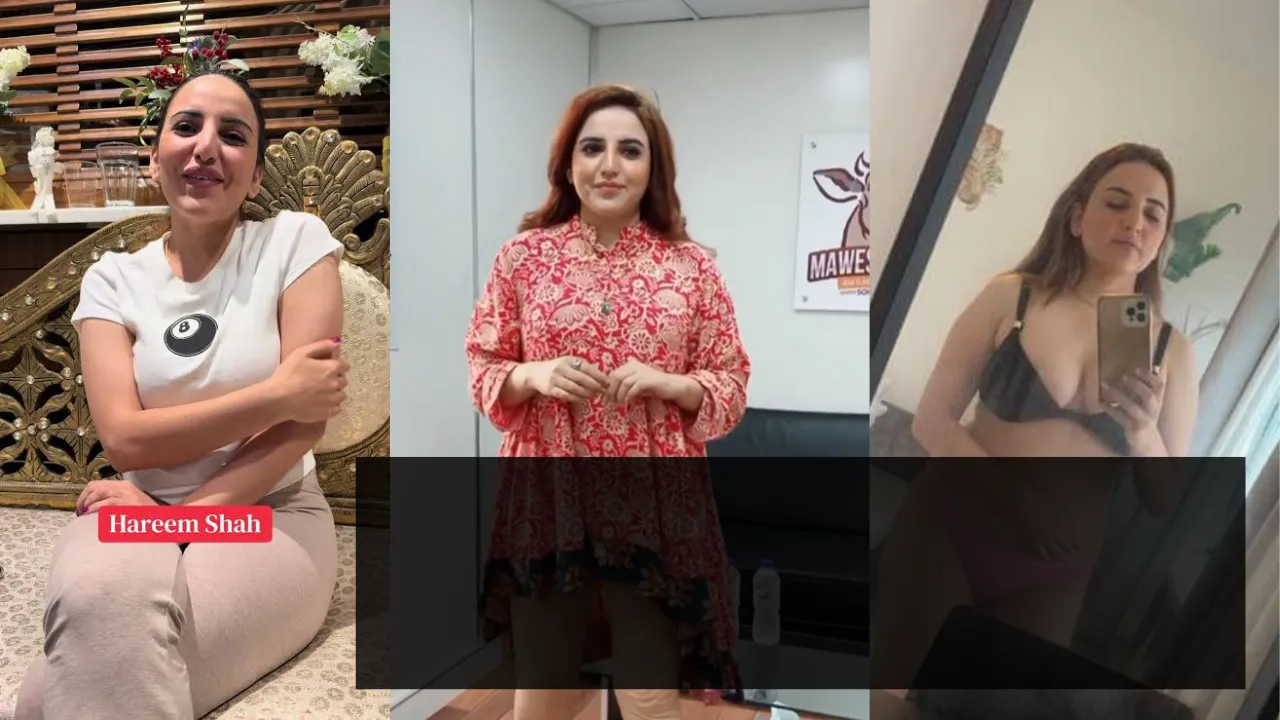
Hareem Shah is a Pakistani TikTok personality and social media influencer who rose to fame through short-form videos and viral online content. Over the years, she has frequently made headlines due to political controversies, public statements, and social media disputes.
Her online presence has attracted millions of views, making her one of Pakistan's most recognizable internet personalities.
The latest controversy emerged after claims regarding alleged private videos involving Hareem Shah began circulating online. The incident quickly gained traction across social media platforms, with users debating the authenticity of the content and its impact.
It is important to note that no independent verification has confirmed the videos, and privacy experts advise against sharing or viewing alleged leaked personal material.
This is not the first time Hareem Shah has found herself at the center of a viral controversy. In 2023, she publicly claimed that private videos circulating online had been leaked without her consent and alleged that individuals known to her were responsible. Those allegations were disputed by the accused, and the matter became the subject of public debate.
Experts say the unauthorized sharing of intimate or personal content can have lasting consequences for victims, including reputational damage, emotional distress, and privacy violations.
Many countries have strengthened laws against the non-consensual distribution of intimate images and videos.
Users are encouraged to avoid forwarding unverified or private content and instead rely on credible reporting when following such stories.

The recurring controversies involving public figures highlight a broader issue facing the digital world: balancing public interest with an individual's right to privacy. As social media continues to amplify viral content within minutes, responsible online behavior has become increasingly important.
Readers should exercise caution before believing or sharing unverified claims and remember that respecting privacy remains essential, regardless of a person's public profile.
Disclaimer: This article is for informational purposes only. We neither host nor promote alleged leaked private content. Readers should respect individuals' privacy and avoid sharing or accessing unverified or non-consensual material.