

/
/
Google launches Nano Banana 2 with faster AI image generation, 4K output, better text rendering, web integration and wider rollout across Gemini and Search.
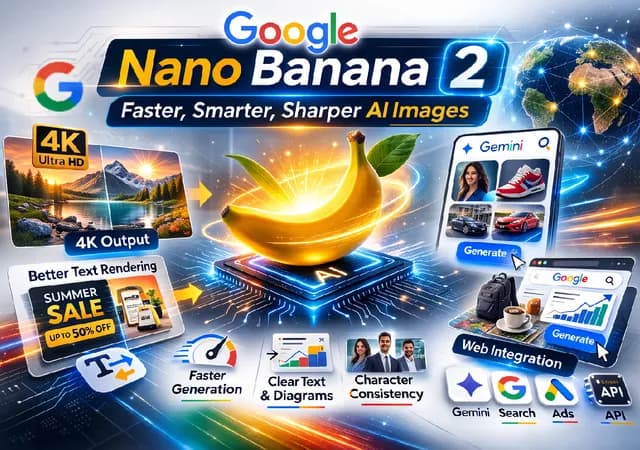
Google has officially launched Google Nano Banana 2, and this is not just another AI update. It’s a clear statement that Google wants to dominate the AI image generation race, not tomorrow, but right now.
Announced on February 27, 2026, the new model, technically called Gemini 3.1 Flash Image, blends Pro-level intelligence with lightning-fast speed. And honestly? This feels like Google’s most practical AI rollout yet.
Google has built Google Nano Banana 2 as a major upgrade to its viral Nano Banana and Nano Banana Pro models released last year.
This new version combines:
Unlike many AI image tools that struggle with either speed or quality, Google Nano Banana 2 claims to deliver both.
That’s a big deal.
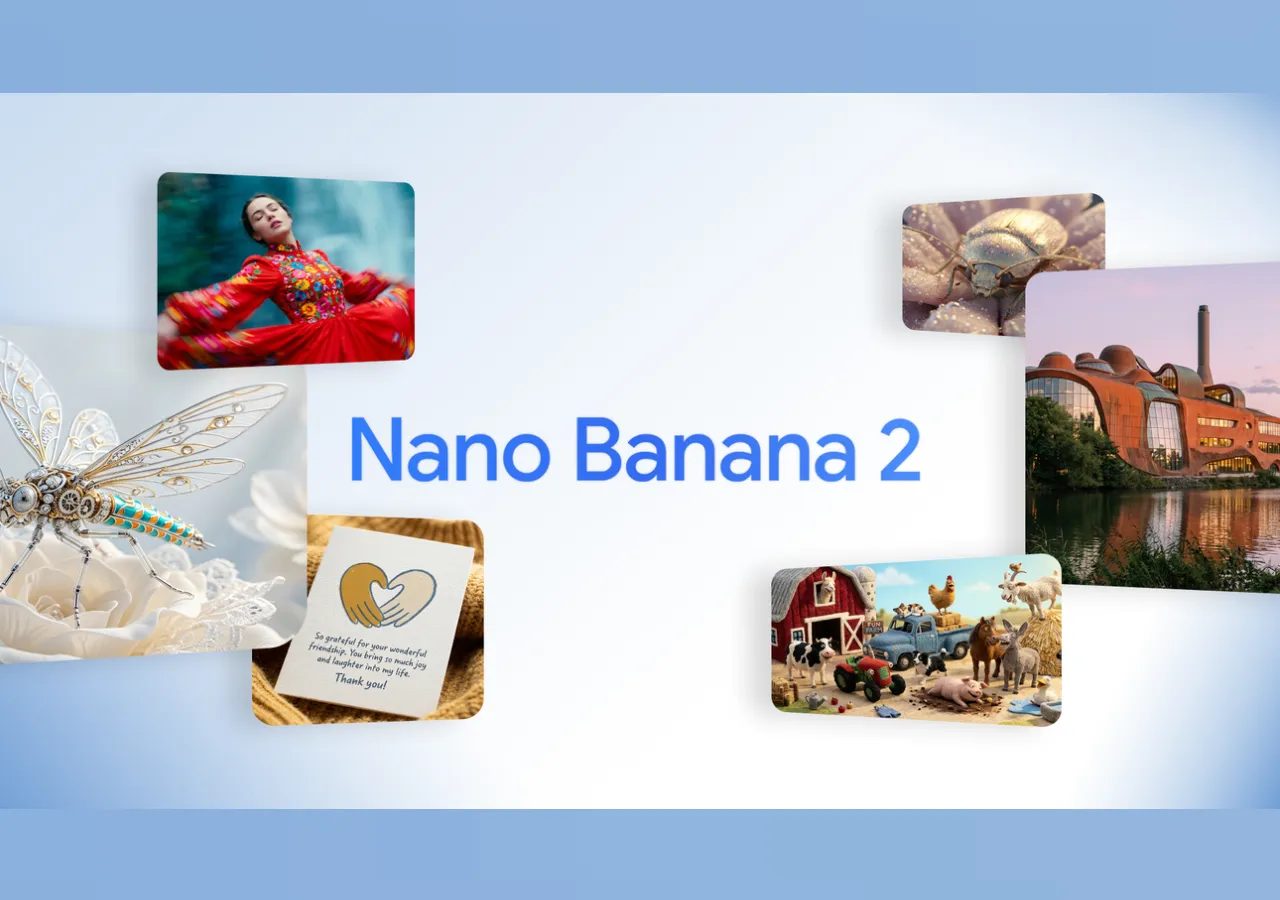
Here’s what makes this launch important, and why creators, marketers, and developers should pay attention.
Google says the new model dramatically reduces generation time while maintaining visual fidelity. In simple terms: you don’t have to wait forever for a high-quality image.
It supports output from 512px all the way up to 4K resolution. That means social media posts, ad creatives, presentations, and even large-screen visuals can be generated instantly.
One of the biggest weaknesses of AI image models has been messy, unreadable text.
Google Nano Banana 2 improves text clarity inside images. It can:
For marketers and advertisers, this is huge.
Google claims the model can maintain:
That means storyboards, product campaigns, and multi-scene visuals won’t lose character accuracy midway.
And frankly, this is where many AI models fail badly.
Google isn’t keeping this locked inside one app. The rollout is wide.
Google Nano Banana 2 is now available across:
It’s rolling out in 141+ countries, including India.
Subscribers to Google AI Pro and Ultra plans can still access Nano Banana Pro for high-fidelity enterprise work. But for most users, Nano Banana 2 is now the default.
That tells you everything about Google’s confidence in it.
One of the biggest upgrades is web grounding. The model can pull from real-time information through Google Search to render more accurate visuals.
This means:
Unlike traditional diffusion models, this one leverages Gemini’s broader knowledge base. That makes a difference when generating educational, technical, or brand-sensitive visuals.
In simple words, it understands context better.
With AI images flooding the internet, authenticity is becoming a serious concern. Google continues embedding SynthID watermarks into all AI-generated visuals.
The company says verification tools have already been used over 20 million times. It’s also expanding C2PA Content Credentials support, an industry standard backed by major tech companies.
This is important. If AI tools become mainstream (and they already are), transparent labeling must follow.
Google was playing catch-up in generative AI last year. But with Gemini improvements and now Google Nano Banana 2, the company looks far more confident.
The speed-quality balance is the real win here. Creators don’t want to choose between fast and good anymore. They want both. And this model delivers that surprisingly well.
It’s also clear Google wants AI to live inside every product, Search, Ads, Lens, Cloud, not just a standalone chatbot.
Will this beat every competitor? That’s still up for debate. But one thing is certain: Google Nano Banana 2 makes AI image creation feel practical, not experimental.
And that shift matters.
If you’re a creator, marketer, developer, or even just curious about AI, this is worth trying.
The AI image war just got more interesting.










