/
/
Tesla has finally unveiled its long-delayed second-generation Roadster, and the launch came with one of the most theatrical product demos in recent car history. At an event at SpaceX’s test facility in McGregor, Texas, on Thursday night, October 15, the car drove up a curved ramp until it was upside down, used thrusters to flip and hover, and landed safely.

Tesla has finally unveiled its long-delayed second-generation Roadster, and the launch came with one of the most theatrical product demos in recent car history. At an event at SpaceX’s test facility in McGregor, Texas, on Thursday night, October 15, the car drove up a curved ramp until it was upside down, used thrusters to flip and hover, and landed safely.
The event took place nearly nine years after the next-generation Roadster was first shown in 2017. It was originally set for October 1, but Tesla postponed it to October 15 because of severe weather forecasts.
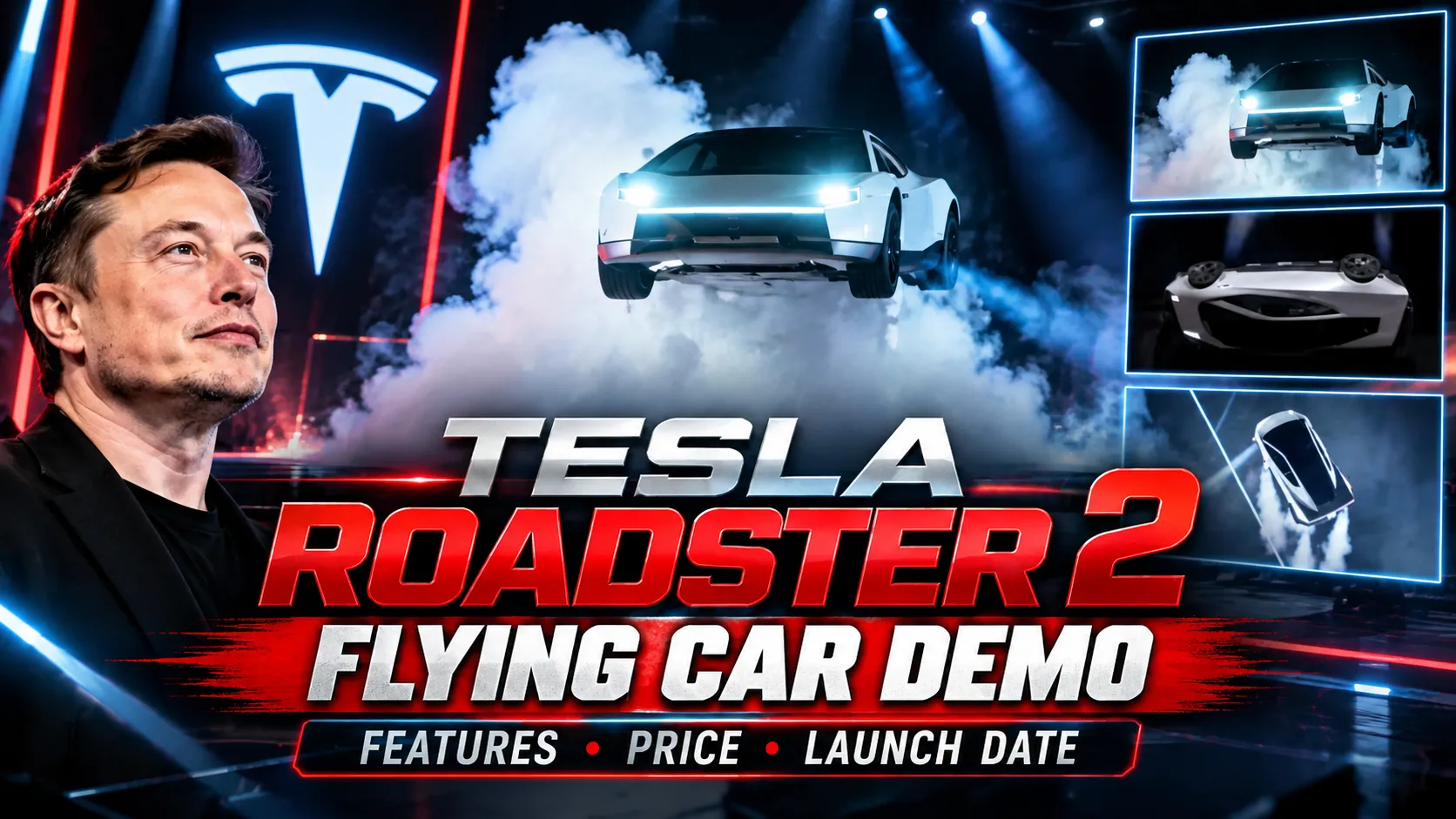
In the demonstration, a prototype drove up a large inverted ramp, then left it, spun and stabilised using cold-gas thrusters, and floated several feet above a lineup of Tesla vehicles. Reports say the lineup included a Cybertruck, Tesla Semi, Model Y and Model 3, before the Roadster landed.
After it landed, CEO Elon Musk said simply, “Well, it worked.” Lars Moravy, Tesla’s vice president of vehicle engineering, said “Flying cars are real.” Musk also shared the video on X with a caption saying the future does have flying cars.
The demonstration was staged under controlled conditions. Pre-event reports had suggested the demo car might be operated remotely because of the noise and force of the thrusters, and the material reviewed does not confirm whether anyone was inside the car.
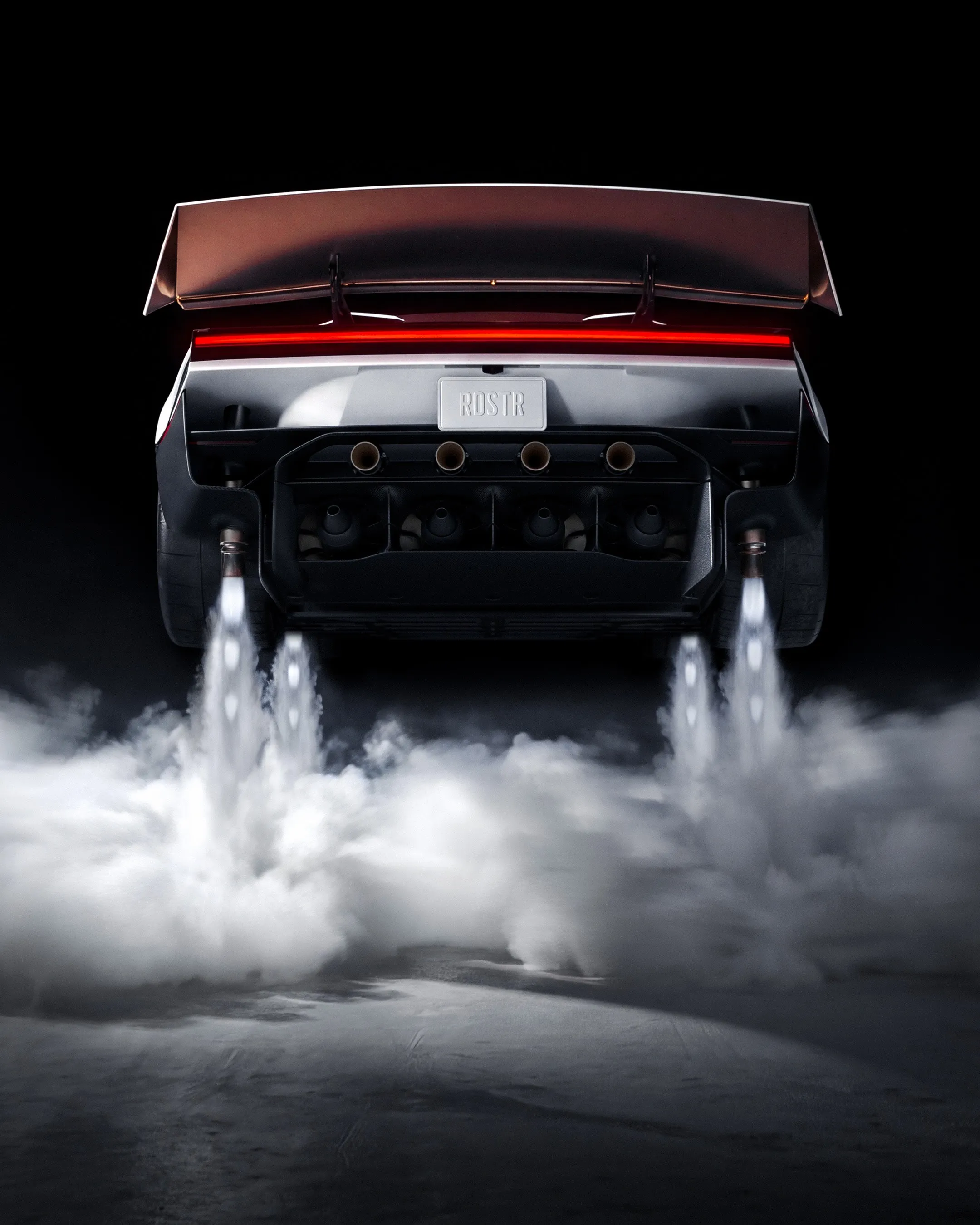
Tesla says the car uses cold-gas thrusters developed with SpaceX. Unlike combustion rockets, these release high-pressure compressed air through nozzles. According to reports, about 10 nozzles are connected to roughly 600 litres of compressed air stored in carbon-fibre overwrapped pressure vessels packed into spaces throughout the car. Tesla has said the system can be recharged, and that more compressed gas on board means more flight time.
On higher trims, the thrusters provide not just straight-line boost but also altitude control, spin and lateral movement. A multi-mode suction and fan system also generates large downforce, helping the car grip even when stationary or inverted.
Tesla has listed three configurations.
| Version | Positioning | Seats | Key claims |
|---|---|---|---|
| Performance | Road-ready | Two | Active aerodynamics, suction system, 0-60 mph in under 1.6 seconds |
| Thrust | Race-ready | Two | Rear thrusters, 0-60 mph in under 1 second (some reports say under 0.9) |
| Rocket | Air-ready, invite-only | One | Perimeter thrusters for forward, upward and rotational movement; 0-60 mph in 0.59 seconds; not approved for public roads |
Across the range, Tesla claims a top speed above 230 mph (about 370 km/h) and more than 300 miles (about 480 km) of range. A 0-60 mph run is roughly 0-97 km/h. These are Tesla’s own claims and have not been independently tested.
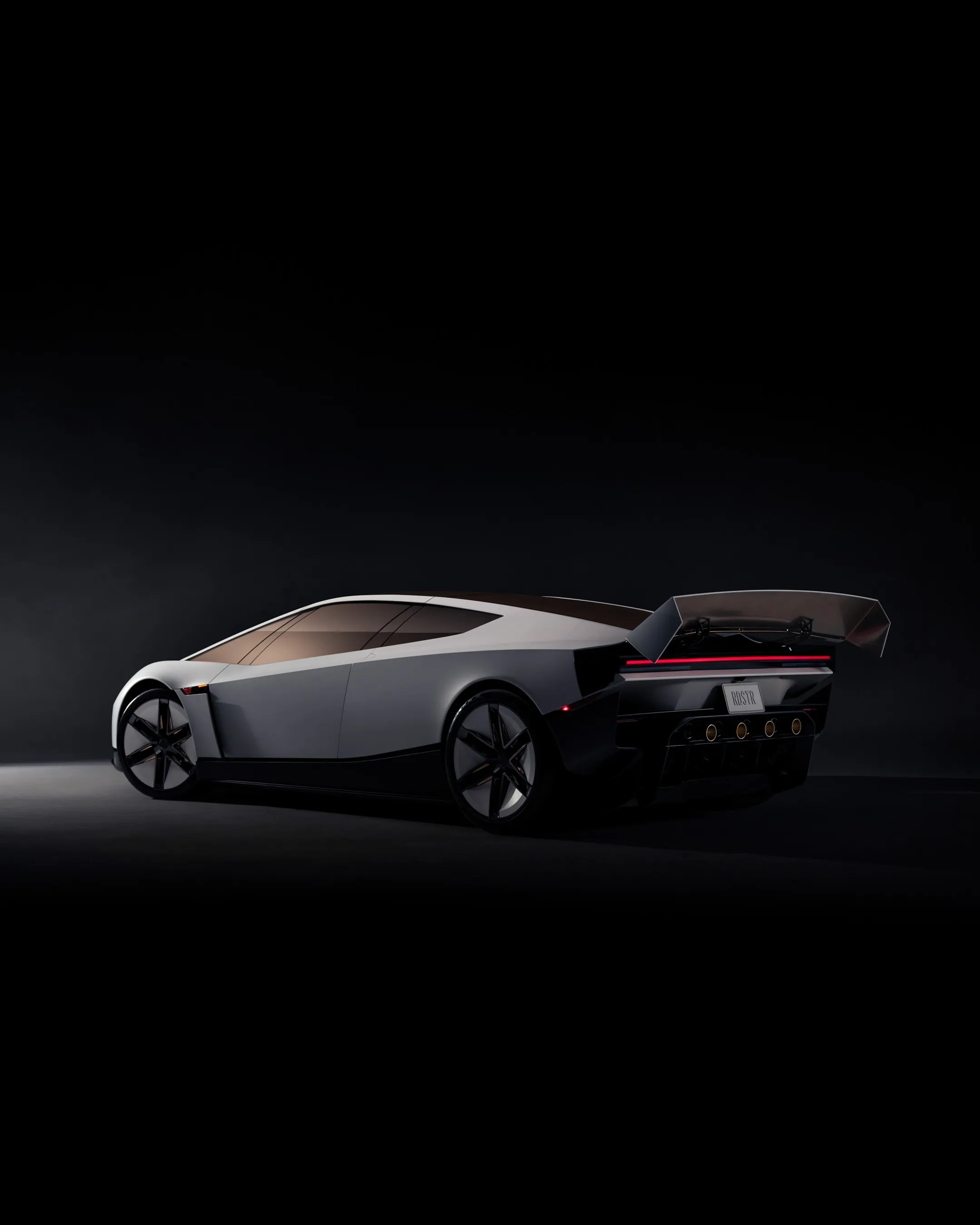
Final pricing has not been announced. Reports say reservations are open, with Tesla having initially accepted $50,000 deposits for the standard version and $250,000 for the Founders Series back in 2017. According to reporting on this launch, reserving the Performance version costs $50,000 and the Thrust version $250,000, while the Rocket version cannot be reserved and is by invitation only. The original 2017 base price was about $200,000, but Tesla’s current page lists no price, so the final cost may differ considerably.
Musk has said production is targeted for 2028. Tesla had originally promised deliveries around 2020, and executives said in May that the car will be built in Texas. Range claims are lower than the original version’s 620-mile (about 1,000 km) promise, and the design has evolved into a sharper, more angular look influenced by aircraft such as the SR-71 and F-35.
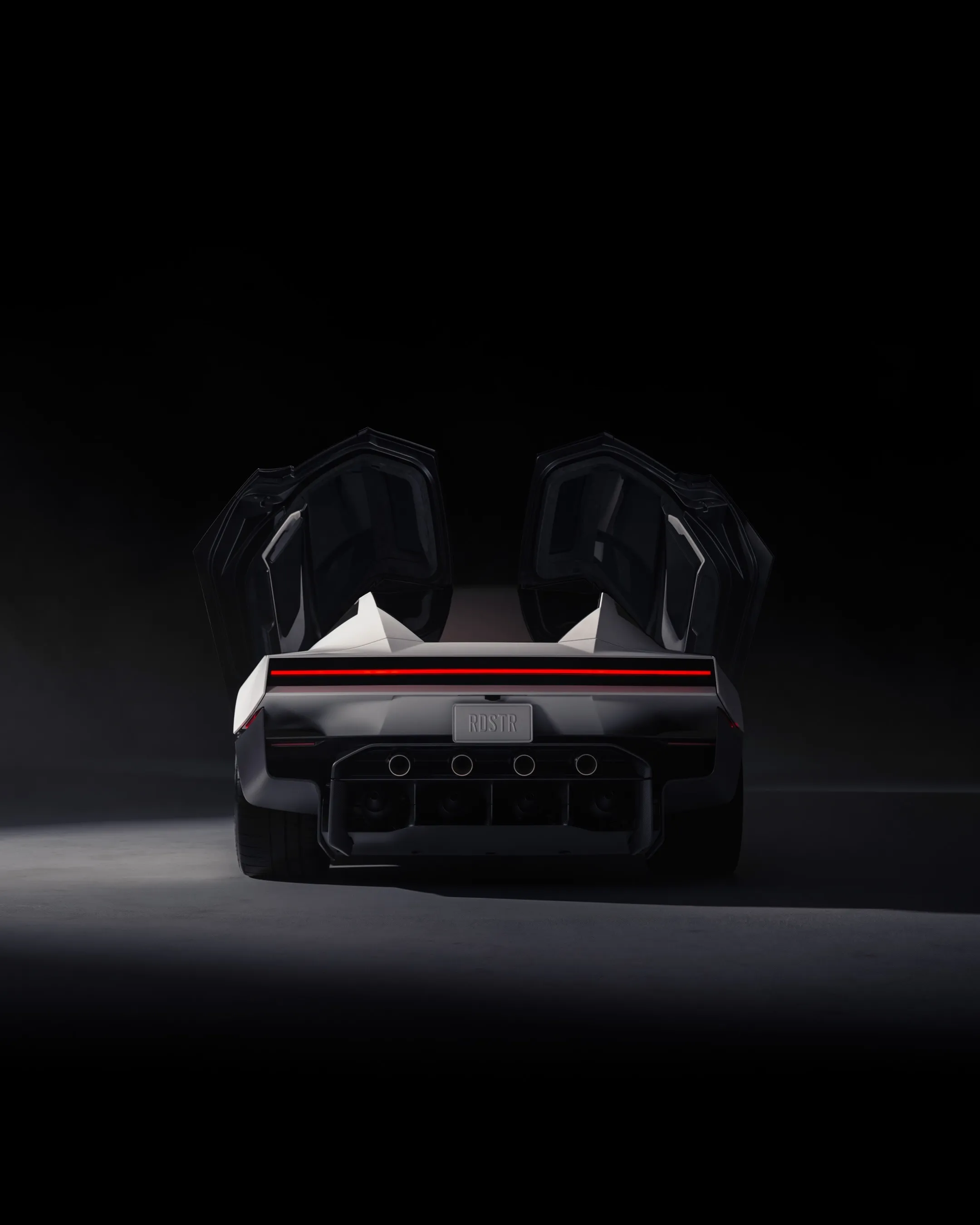
No. The Rocket version is not approved for public road use, and nothing suggests the car is cleared for airborne operation. Questions about safety, regulation and practicality remain unresolved. Musk has also said that anyone whose top priority is safety should not buy the Roadster, framing it as a halo product built with SpaceX engineers rather than a mass-market car.
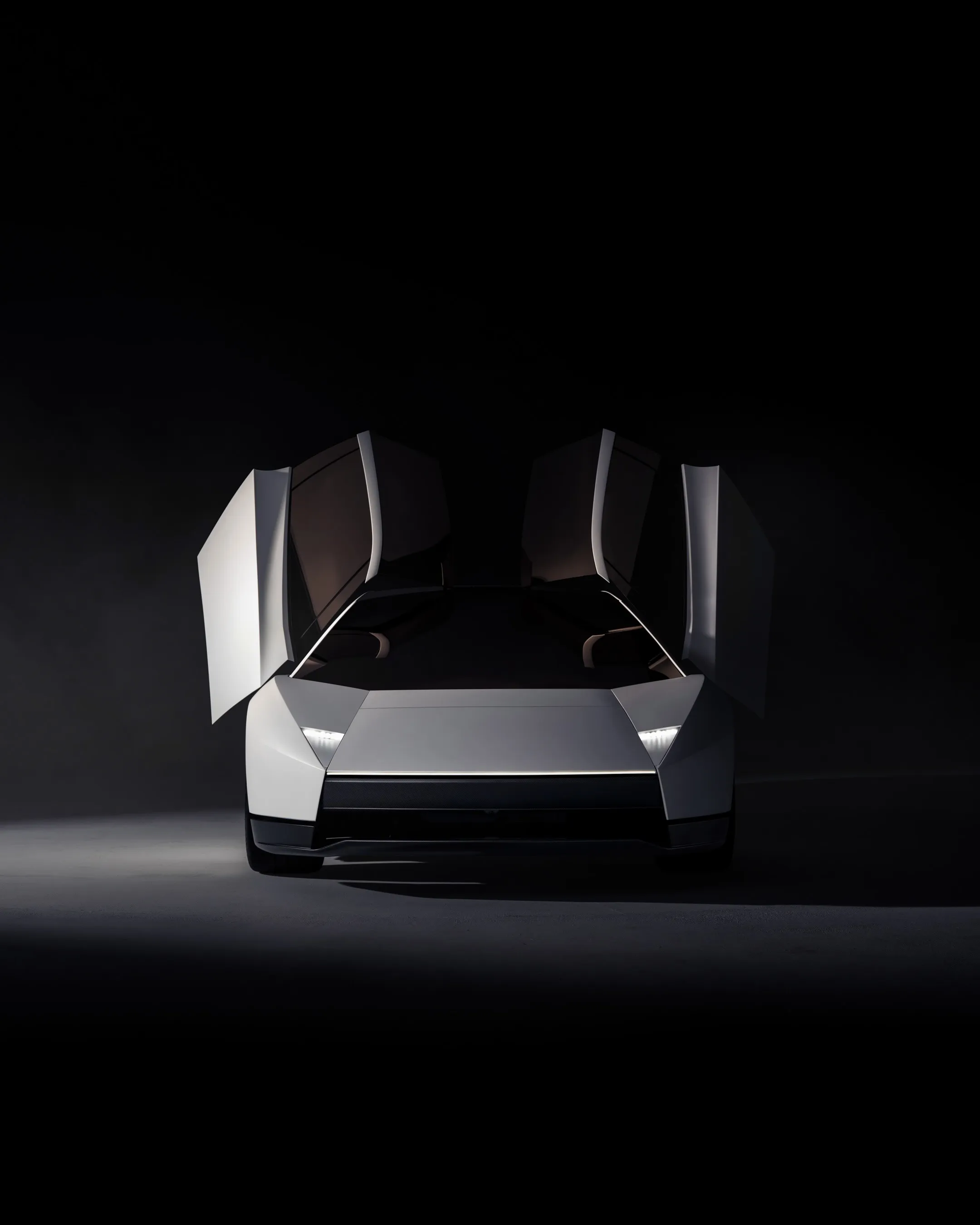
The Roadster sits in the hypercar segment, where demand for pure EVs has faced setbacks, and Musk has previously downplayed its financial importance while Tesla prioritises autonomy and robotics. The spectacle brings attention, but customers who have waited for years will be watching for a firm delivery date and a final price.
Q1. Did the Tesla Roadster really fly?
In a controlled demonstration at SpaceX’s McGregor facility on October 15, the Roadster used cold-gas thrusters to flip, hover a few feet above other Teslas and land. It is not approved for flying on public roads.
Q2. How does the Tesla Roadster’s thruster system work?
It uses about 10 nozzles fed by roughly 600 litres of compressed air stored in carbon-fibre pressure vessels, according to reports. It does not use combustion rockets.
Q3. What are the Tesla Roadster versions?
Performance (road-ready), Thrust (race-ready) and Rocket (air-ready, single-seat, invite-only).
Q4. How much does the Tesla Roadster cost?
Final pricing is not announced. Reported reservation amounts are $50,000 for Performance and $250,000 for Thrust; the Rocket is invite-only.
Q5. When will the Tesla Roadster be released?
Musk has said production is targeted for 2028.