/
/
The Central Government has introduced significant changes to domestic LPG connections under its 'One House, One Gas Connection' policy.
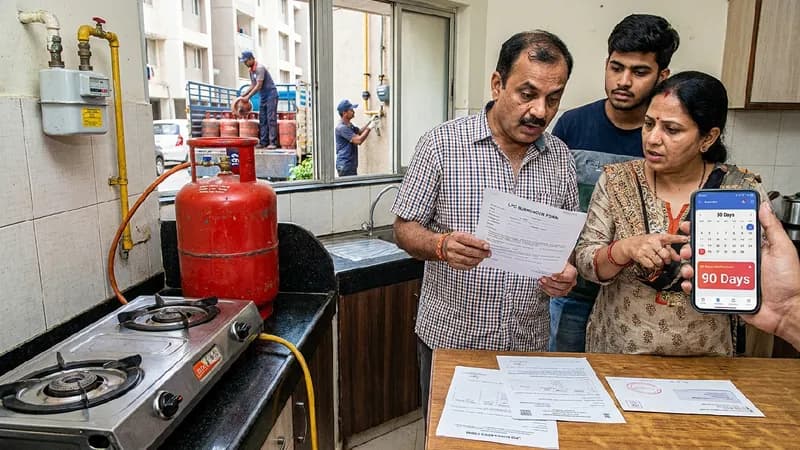
The Central Government has introduced significant changes to domestic LPG connections under its 'One House, One Gas Connection' policy. As part of the revised guidelines, two important deadlines—30 days and 90 days—have been introduced for households that have access to Piped Natural Gas (PNG). The move is aimed at preventing duplicate gas connections, ensuring better subsidy distribution, and encouraging the use of cleaner cooking fuel.
According to the latest guidelines, households that receive a new PNG connection must surrender their existing LPG cylinder connection within 30 days. For example, if your PNG connection becomes operational on June 1, you must complete the LPG surrender process before June 30. This step is intended to prevent households from using both LPG and PNG simultaneously while also reducing subsidy misuse. The government has also provided an option for consumers to obtain a transfer voucher that can help restore an LPG connection later if they move to an area without PNG service.
The second rule applies to residential areas where the PNG network is already fully available. Consumers who continue using LPG in these locations will be given up to 90 days to switch to PNG. If they fail to make the transition within the specified period, oil marketing companies may suspend or permanently block their LPG connection after issuing the required notices. Reports indicate that the identification process has already started in several areas.
The new rules mainly apply to:
Consumers living in rural areas or regions where PNG pipelines have not yet reached will not be affected by these rules. For these households, LPG cylinders will continue to remain the primary cooking fuel, and no changes are required under the new policy.
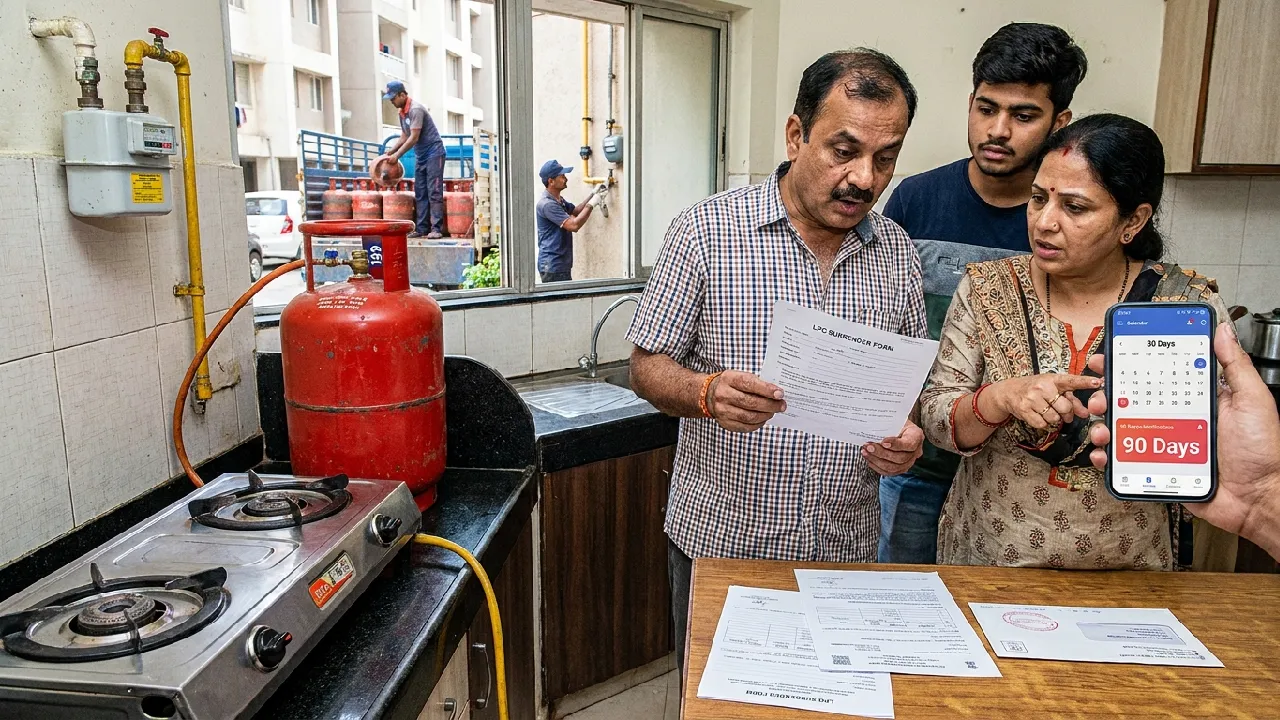
No. The new policy does not mean that LPG cylinders will disappear across India. The government's objective is to reduce dependence on LPG only in locations where PNG infrastructure is fully developed. In remote, rural, and geographically challenging regions where pipelines cannot be installed, LPG cylinders will continue to serve as the primary cooking fuel.