/
/
FASTag Mandatory From April 1, 2026: National Highways Authority of India to ban cash toll payments from April 1, 2026. FASTag and UPI mandatory at 1,150+ toll plazas.
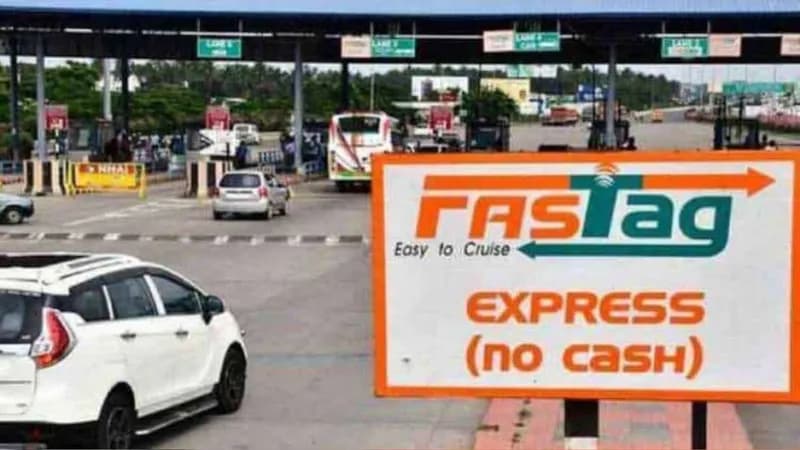
FASTag Mandatory From April 1, 2026: A major change is coming for travelers traveling on the country's national highways. The NHAI is preparing to completely ban cash transactions at all toll plazas from April 1, 2026. After this, toll payments will be made only through digital methods—such as FASTag and UPI.
This move aims to make the toll system more transparent, faster, and technology-based. Currently, the Electronic Toll Collection (ETC) system is implemented at more than 1,150 toll plazas across the country.
According to the NHAI, cash payments are a major cause of traffic jams at toll plazas. During peak hours, cash transactions take time, lead to disputes over change, and long queues.
FASTag usage has increased rapidly in the country. According to the latest data, more than 98% of vehicles already have FASTags activated.
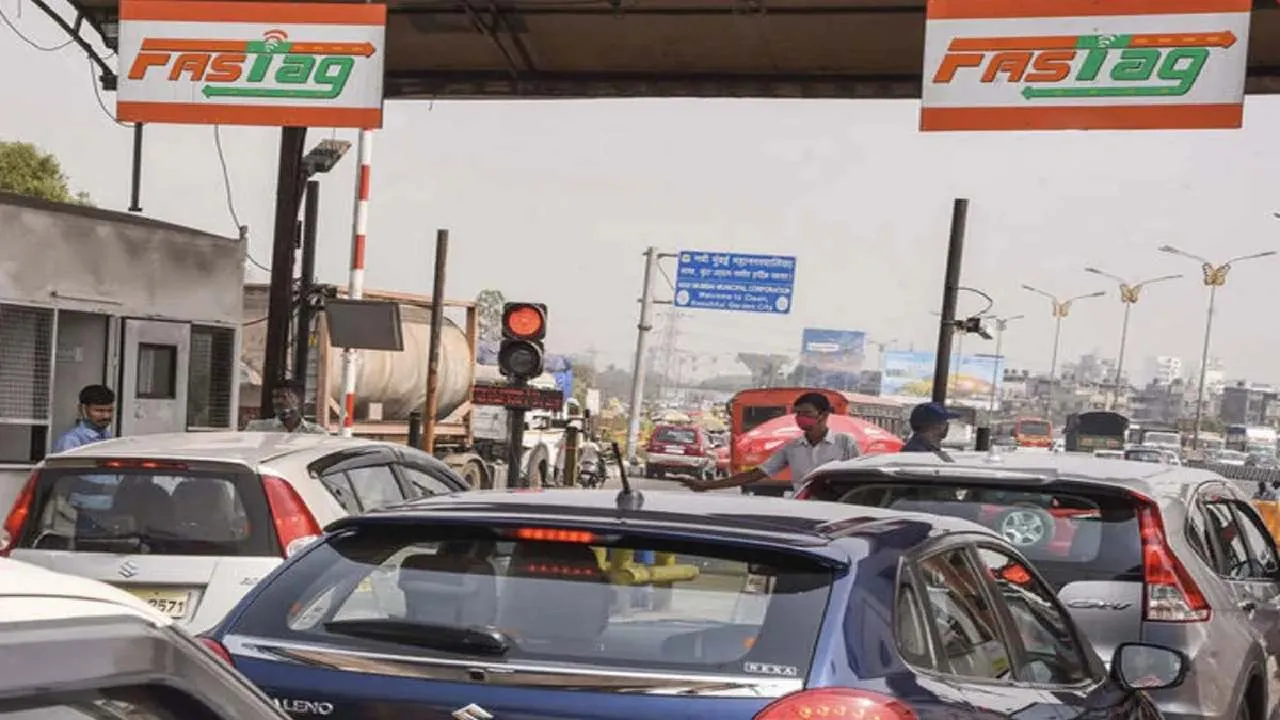
If a vehicle enters a FASTag lane without an active FASTag and makes a cash payment, it is charged double the toll. On the other hand, payments made using UPI are charged 1.25 times the applicable toll rate.
Therefore, it has become almost mandatory for drivers to have an active FASTag. This rule will apply to more than 1,150 toll plazas This new system will be implemented at more than 1,150 toll plazas and expressways across the country. NHAI believes that fully digital transactions will:
This initiative is part of the government's larger goal of transforming the national highway network into a technology-driven and high-efficiency system.
Cash lanes at toll plazas are likely to be discontinued after April 1, 2026, so it's important to prepare for digital payments in advance.