/
/
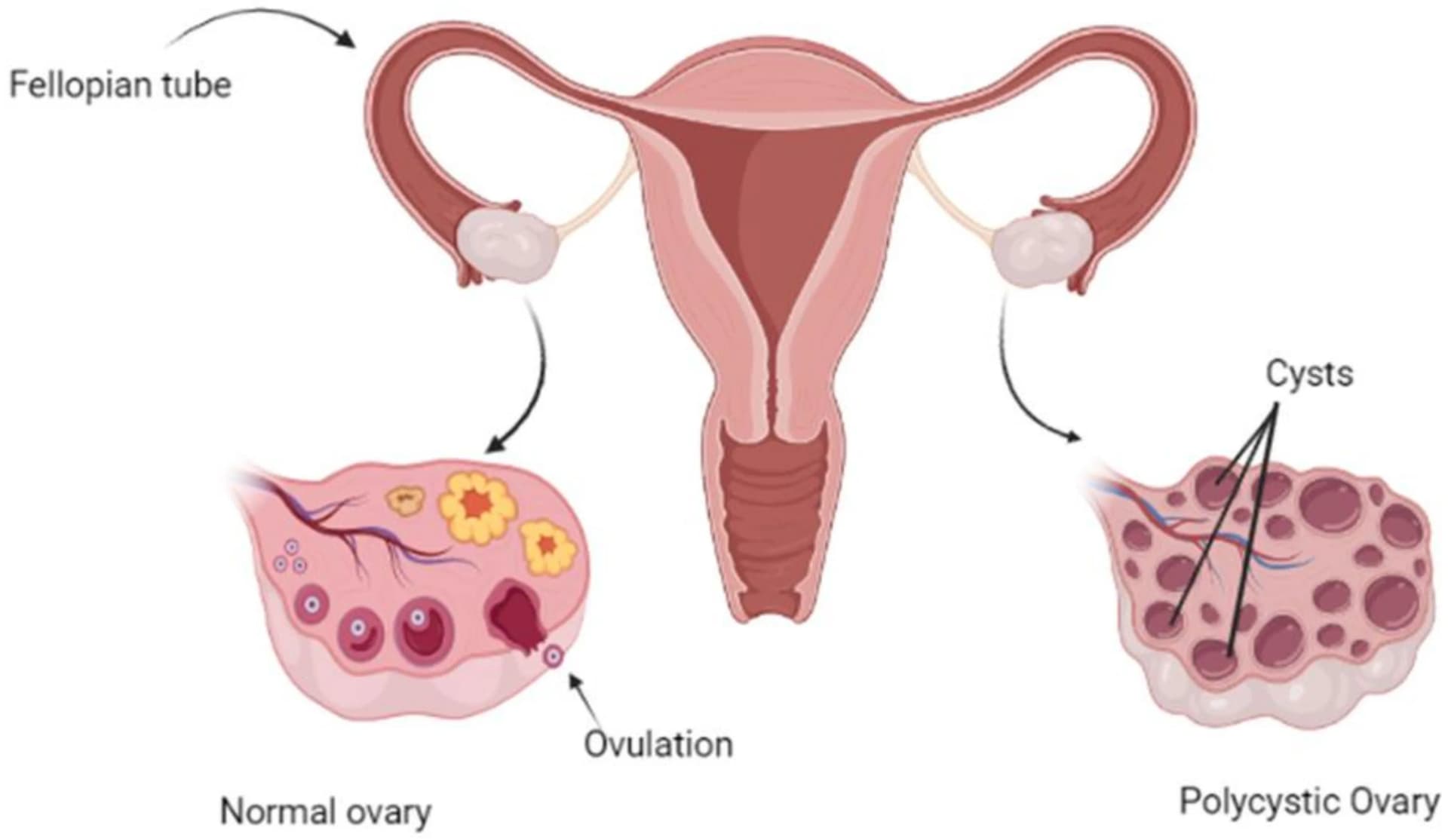
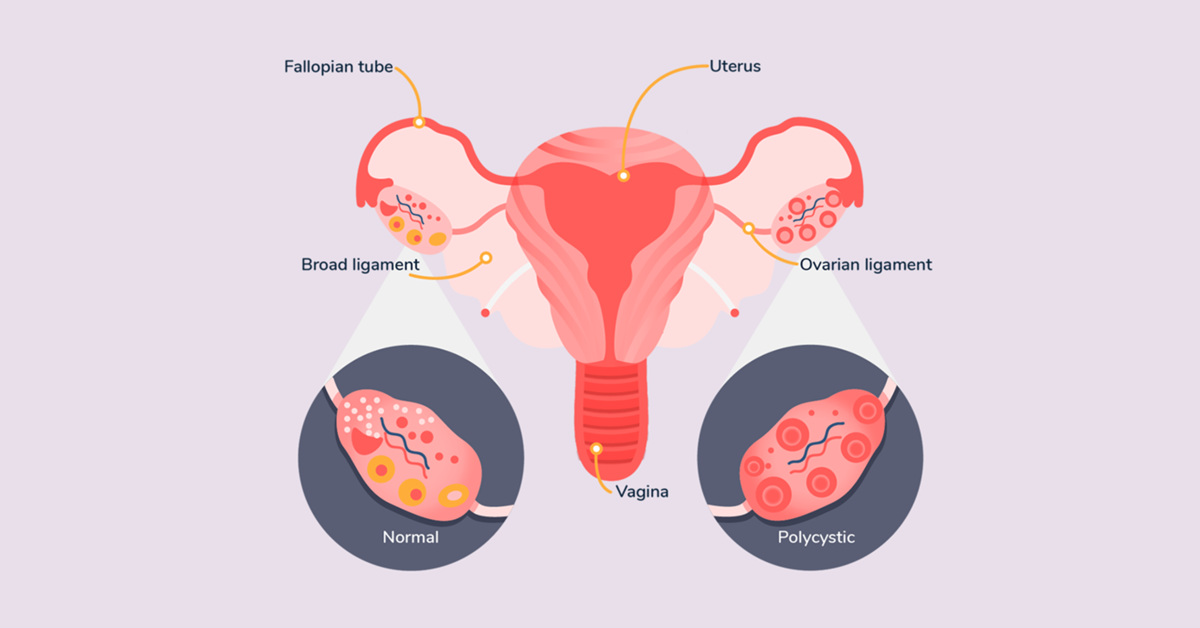
PCOD or PCOS is a condition that affects women’s ovaries, the reproductive organs that produce progesterone and estrogen hormones that help in regulating the menstrual cycle and also produce small amounts of hormones inhibin, relaxin, and male hormones called androgens.
Almost 10% of women in the world are suffering from PCOD. In comparison to PCOD women with PCOS produce higher-than-normal amounts of male hormones. This hormone imbalance causes them to skip menstrual periods and makes it harder for them to get pregnant.
Besides unpredictable hormonal behavior, this condition can trigger
It's a fairly common disorder, but one with no exact cure.
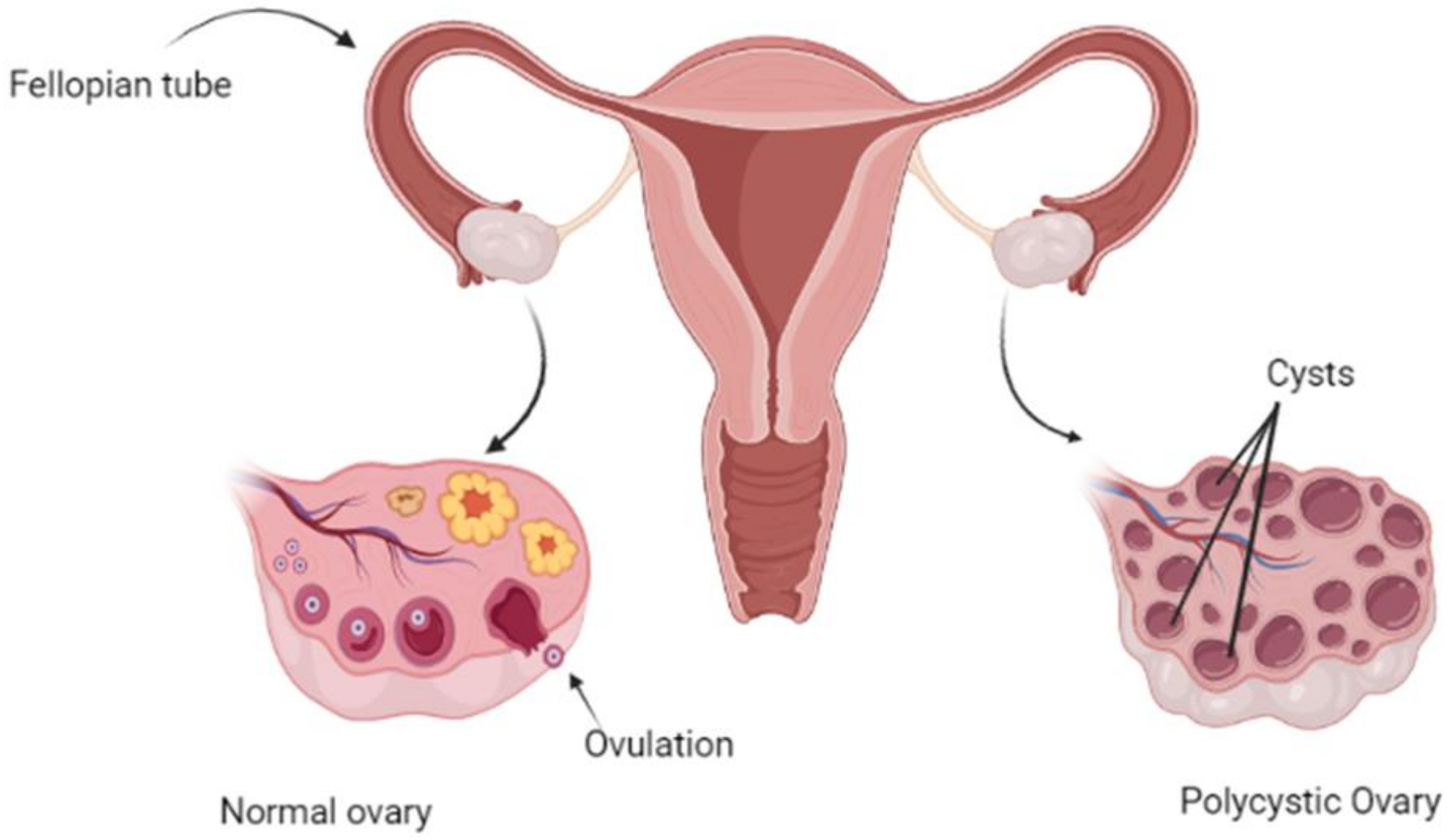
A medical condition known as polycystic ovarian disease (PCOD) occurs when the ovaries of a woman produce a large number of eggs that are either partially mature or immature and eventually develop into cysts. As a result, the ovaries grow large and secrete a lot of male hormones (androgens), which can lead to infertility, irregular periods, hair loss, and abnormal weight gain. PCOD can be constrained by diet and way of life changes.

Some females start seeing symptoms around the time of their first period, some women only discover when they have gained a lot of weight or trouble getting pregnant. The most common signs and symptoms of PCOD Problem or PCOS in females are:

18.5 - 24.9 considered ideal and healthy for females, and above 30 is considered obese and not healthy. Maintaining a healthy body weight or weight loss help in improving overall body cholesterol levels

The management of your individual issues, such as irregular periods, obesity, infertility, acne, or hirsutism, is the primary focus of PCOD/PCOS treatment. Most of the time, treatment starts with making changes to your diet, exercise, and weight loss. Losing only 5 to 10 percent of your body weight can assist with managing your period.
Treatment will depend on the symptoms like hair growth, acne, and metabolic disorders. This includes: