/
/
DRI investigates an alleged gold smuggling network in Indore after uncovering purchases of around 90 kg of gold worth over ₹100 crore in three years. A special court denies bail to jeweller Deepak Khandelwal and his son Nakul.
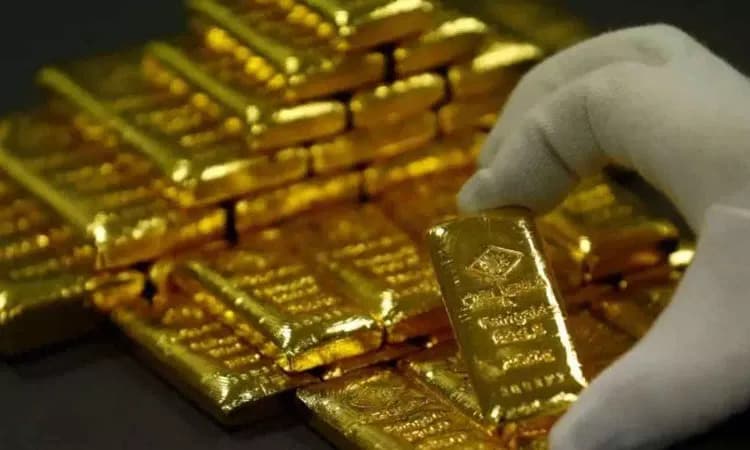
The Directorate of Revenue Intelligence (DRI) has uncovered fresh details in an alleged gold smuggling case linked to Indore's Sarafa market. According to the investigation, a jewellery businessman allegedly purchased around 90 kilograms of gold over three years, with the estimated value exceeding ₹100 crore.
Investigators suspect that some of the gold may have been smuggled into India from abroad before entering the domestic market through jewellery businesses. However, the suspected smuggling links remain under investigation, and the allegations have not been established in court.
A special court has rejected the bail applications of jeweller Deepak Khandelwal and his son, Nakul Khandelwal, who were arrested in connection with the case. Both accused have denied purchasing smuggled gold, according to the information presented in the case.
The investigation reportedly found that approximately 90 kg of gold was purchased over a three-year period through a person identified in the case as Nikhil Lalwani. The estimated value of the gold is more than ₹100 crore.
The DRI suspects that the gold may have originated overseas and entered India through smuggling channels. Investigators are examining whether the gold was subsequently sold through the jewellery trade, allowing it to circulate in the domestic market.
The alleged purchases form a significant part of the investigation into the suspected supply chain connecting gold transporters and jewellery traders in Indore.
The findings are part of an ongoing investigation. The reported quantity and value of the gold should not be interpreted as proof that all the gold involved was smuggled.
The case came into focus after the DRI received information that certain individuals were transporting gold from Maharashtra to Indore.
On August 14, 2026, DRI officials inspected a car and reportedly discovered three gold bars concealed inside a box beneath the front seat. The estimated value of the recovered gold was ₹4.72 crore.
Two occupants of the vehicle, identified as Romel and Yash Lalwani, were arrested in connection with the seizure.
During questioning, investigators reportedly learned that the gold was intended to be sold to Sarafa businessman Deepak Khandelwal. This information led investigators to examine the alleged links between the transporters and the jewellery business.
The seizure became a key development in the broader investigation into the suspected movement and sale of smuggled gold.
As the investigation progressed, the DRI arrested Deepak Khandelwal and his son, Nakul Khandelwal, in Kota, Rajasthan, on August 19, 2026.
According to the reported investigation findings, questioning brought to light alleged gold purchases amounting to approximately 90 kg over three years through Nikhil Lalwani.
The agency suspects that the transactions may be connected to a larger network involving gold allegedly smuggled into India and subsequently sold through jewellery businesses.
The precise origin of the gold, the nature of the transactions and the extent of each accused person's involvement remain matters for investigation and judicial proceedings.
Deepak Khandelwal and Nakul Khandelwal approached the special court seeking bail, maintaining that they had no connection with smuggled gold.
Their defence reportedly argued that they had been operating in the Sarafa jewellery market for around 20 years and had never purchased illegally imported gold.
Special Public Prosecutor Chandan Airen, who represented the DRI, confirmed that the accused had filed bail applications before the special court.
After hearing the arguments from both sides, the court rejected the bail applications of both father and son.
The rejection means that their requests for release on bail were not accepted at this stage. It does not, by itself, establish their guilt in the alleged gold smuggling case.
The DRI investigation is focused on establishing the source of the seized gold, tracing the alleged transactions and determining whether the gold entered India through illegal channels.
Investigators may also examine the financial and commercial links between the people allegedly involved in transporting and purchasing the gold.
The reported purchases worth more than ₹100 crore could become an important aspect of the case if investigators establish a connection between those transactions and the suspected smuggling operation.
The matter remains subject to further investigation and legal proceedings. The allegations against the accused must be assessed through the evidence and the judicial process.
For Indore's Sarafa market, the case highlights the importance of tracing the origin of gold and verifying the documentation associated with high-value bullion transactions.