/
/
A viral video allegedly shows a couple being filmed, stopped and asked for money in a forest, sparking outrage over privacy, extortion and moral policing.
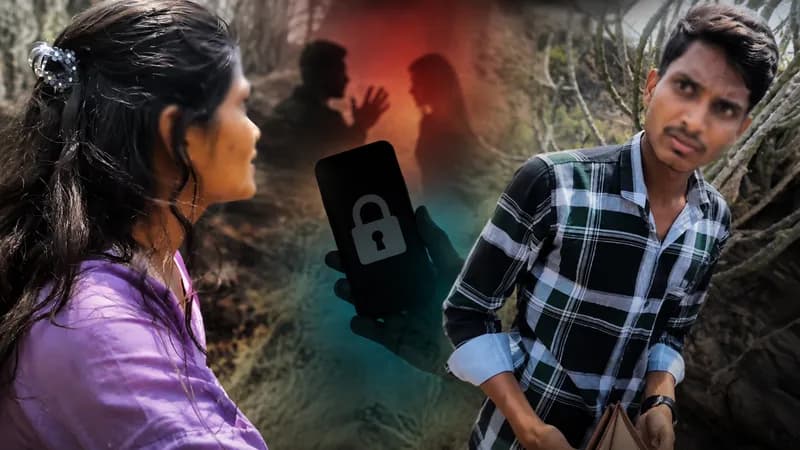
A viral video showing a young couple allegedly being surrounded and filmed by a group of people has triggered strong outrage on social media, raising uncomfortable questions about privacy, moral policing and alleged extortion.
According to claims circulating alongside the Viral Couple Extortion Video, the couple was spending time together in a forest when several people approached them with cameras and began recording. The situation allegedly escalated when the group reportedly demanded money and refused to let the couple leave unless they paid.
The authenticity, location, date and full context of the viral clip have not been independently verified. The identities of those involved are also unclear. However, the video has reignited a larger debate: even if someone believes another person is doing something wrong, does that give private individuals the right to surround them, film them, take their phones or demand money?
The answer, according to the basic principles of law and personal liberty, is far more complicated than the self-appointed “moral police” appearing in such viral incidents may suggest.
The video, which has been widely circulated on social media, is being shared with claims that a boy and a girl were together in a forest when some people suddenly arrived and began filming them.
According to the viral claims:
These claims should be treated with caution until the incident is independently verified by police or other reliable sources.
Still, the public reaction has been intense. Many social media users have questioned who gave these individuals the authority to investigate, punish or publicly shame strangers.
This is where the controversy becomes bigger than one viral clip.
India has police, courts and legally authorised authorities to investigate suspected offences. A private citizen who believes that someone is involved in illegal activity can report the matter to the police. But independently surrounding people, recording them in a vulnerable situation, blocking their movement and allegedly demanding money can potentially raise serious legal issues.
The central question being asked online is simple: Who are these people, and under what authority were they acting?
Were they police officers? Government officials? Or simply private individuals trying to act as judge, jury and enforcer?
If the allegations in the video are established through a proper investigation, the actions shown could potentially attract provisions related to extortion, criminal intimidation, wrongful restraint or confinement, theft or other offences depending on the specific facts and evidence.
Simply calling such actions “moral policing” does not automatically make them lawful.
One of the strongest reactions to the video has focused on privacy.
Being in a public or semi-public location does not give random individuals unlimited rights to harass, intimidate or exploit someone. Recording a person and then allegedly using that recording to demand money or threaten them could significantly change the legal nature of the incident.
If someone records another person without consent and allegedly demands money in exchange for not sharing or misusing the footage, investigators could examine whether the facts amount to extortion, intimidation, harassment or other applicable offences.
The exact sections that may apply depend on the circumstances, evidence, location and conduct of every person involved. That determination ultimately rests with law enforcement and the courts.
What is clear, however, is that a viral accusation is not a licence for private citizens to punish others.
If someone is threatened, illegally restrained or pressured to pay money, the safest approach is to seek help from law enforcement rather than negotiate with alleged extortionists.
Some immediate steps may include:
Most importantly, personal safety should come first. Trying to physically confront a group or recover a phone by force could make the situation more dangerous.
The viral clip has angered many viewers who argue that the people allegedly confronting the couple had no legal authority to interfere in their personal lives.
The argument gaining traction online is straightforward: if the couple had committed an actual offence, the matter should be reported to the police and handled through the legal process.
But allegedly filming people, publicly humiliating them, taking their belongings or demanding money is an entirely different matter.
That distinction is important.
A person's personal choices may be debated, criticised or even investigated if there is evidence of an actual crime. But private citizens cannot simply create their own system of punishment because they disapprove of someone else's behaviour.
This is why many users are calling for authorities to verify the viral video and take appropriate action if the allegations of extortion or harassment are found to be true.
India's growing culture of viral videos has created another troubling trend: people increasingly reaching for a smartphone camera before reaching for the police.
A camera can document wrongdoing. It can expose corruption and help victims gather evidence.
But it can also be misused.
When recording is allegedly combined with intimidation, public shaming or demands for money, the camera stops being just a recording device and can become part of the alleged harassment itself.
That is what makes this viral incident particularly disturbing.
The issue is not whether people approve or disapprove of a couple spending time together. The real issue is whether strangers can appoint themselves as moral guardians, invade someone's privacy and allegedly demand money in the name of “teaching them a lesson.”
In a society governed by law, that power does not belong to a random group with smartphones.
The Viral Couple Extortion Video has sparked outrage because it touches on several sensitive issues at once: privacy, consent, alleged blackmail and the growing problem of self-styled moral policing.
For now, the video's authenticity and complete circumstances remain unverified, and no final conclusions should be drawn without an official investigation.
But the larger principle remains clear: if someone believes a crime has been committed, the proper route is to inform the authorities, not to surround people, record them for humiliation or allegedly demand money.
If the allegations in the viral video are proven, those responsible could face serious legal scrutiny. And that is exactly why many social media users are demanding that the incident be properly investigated rather than dismissed as just another viral clip.