/
/
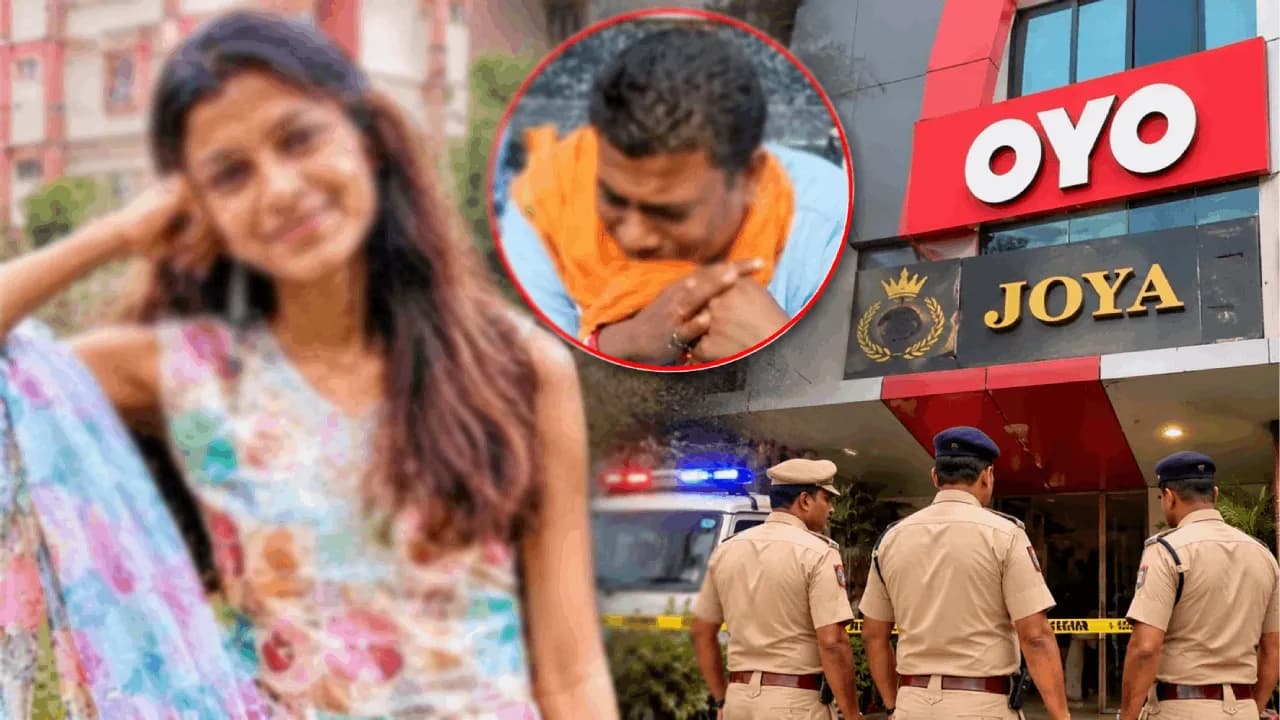
Rewa Murder Case viral video claiming a wife hid her husband's body in an LPG cylinder is fake, police confirm. Know what investigators actually said.

If you've been scrolling through social media lately, you may have stumbled across a deeply disturbing claim tied to the Rewa Murder Case, one that stopped people mid-scroll. Posts and videos alleged that a woman from Rewa district in Madhya Pradesh killed her husband with an axe, cut up his body, and stuffed the remains inside an LPG gas cylinder. Sounds like something out of a crime thriller, right? That's exactly the problem. Police have now stepped in to confirm that none of it actually happened.
The Rewa Viral Video spread like wildfire across platforms, with thousands of people sharing it under the assumption that it was a real incident. It wasn't. And the authorities want everyone to know that.
Rewa City Superintendent of Police (CSP) Rajeev Pathak made the situation very clear, the video floating around online has absolutely no connection to any crime in Rewa. No murder. No dismembered body. No LPG cylinder. Nothing.
As part of their fact check, investigators looked into the claims and found zero evidence of any such incident taking place in the district. The posts, according to officials, were deliberately misleading and designed to cause confusion among ordinary people who saw them.
Police also issued a firm warning: sharing fake or unverified content on social media isn't just irresponsible, it can get you into legal trouble. Relevant provisions under the Information Technology Act could be invoked against those who knowingly spread false information. This is important Madhya Pradesh Crime News that affects how people understand and trust local law enforcement.
रीवा में पत्नी ने पति को मारकर लाश गैस सिलिंडर में भर दी! पुलिस ने किया फैक्ट चेक, कहा-वायरल वीडियो फर्जी pic.twitter.com/iywHeaOwSo
— NaiDunia (@Nai_Dunia) July 11, 2026
Here's the thing about shocking content, people share it before they question it. The story had all the ingredients of something that travels fast online: a domestic dispute, a brutal act, and a detail so bizarre (an LPG cylinder, of all things) that it made people stop and stare.
The Rewa Viral Video gathered thousands of shares and comments in a short period, with most viewers assuming it was genuine Madhya Pradesh Crime News. But when police dug into it, they found that the footage and the claims attached to it had been falsely connected to Rewa. The incident, if it happened at all, had nothing to do with the district.
Authorities aren't just asking people to stop sharing the video, they're asking everyone to slow down before hitting that share button in the first place. If you come across something that seems suspicious or seems designed to shock, report it rather than forward it.
Officials pointed out that fake crime stories do real damage. They make people afraid when they don't need to be, they pull police resources away from actual investigations, and they erode the trust that communities need to have in law enforcement.
The Rewa Murder Case viral claim is a textbook example of exactly that kind of harm.
False crime stories almost always spread faster than the truth. The more graphic and unbelievable a claim sounds, the more likely people are to click, react, and share, often without stopping to wonder whether it's actually real.
A proper fact check takes minutes. The damage from not doing one can last much longer. When a story like the Rewa Murder Case goes viral, innocent people get dragged in, communities feel unsafe, and the actual work of policing gets harder.
Madhya Pradesh Crime News is best consumed from verified sources, official police statements, credible outlets, and confirmed reports. Sensational social media posts rarely tick any of those boxes.
The bottom line is simple. The viral claim about the Rewa Murder Case, that a woman murdered her husband and concealed his body in an LPG cylinder, has been officially and firmly denied by police. It didn't happen. The story is fabricated. And as the Rewa Viral Video continues to circulate in some corners of the internet, the most responsible thing anyone can do is not add to its reach. Check before you share. Every time.