/
/
Learn how to plan a vegetable garden in simple steps where you need not more than a piece of land in your home’s backyard. Here's the guide
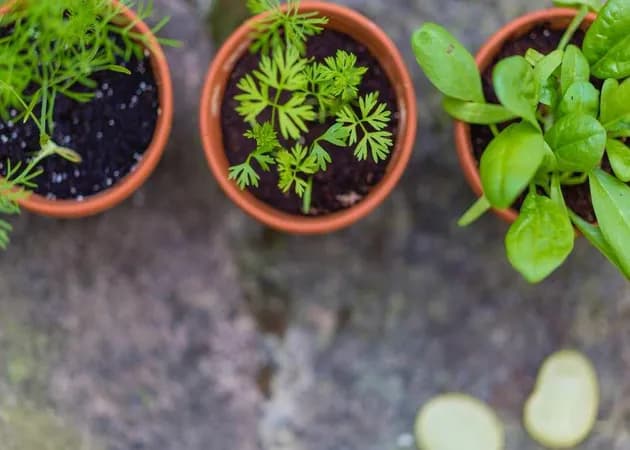
At times when nothing is pure and original, you can be sure at least the food is chemical-free. Planning a vegetable garden is your first step towards a healthy life and it comes with lots of benefits besides this. It saves your time on grocery shopping, money and most importantly gives you a chance to know more about your food. If you agree with us, our guide on how to plan a vegetable garden is hand-made for you.
Learn vegetable garden planning in simple steps where you need not more than a piece of land in your home’s backyard.
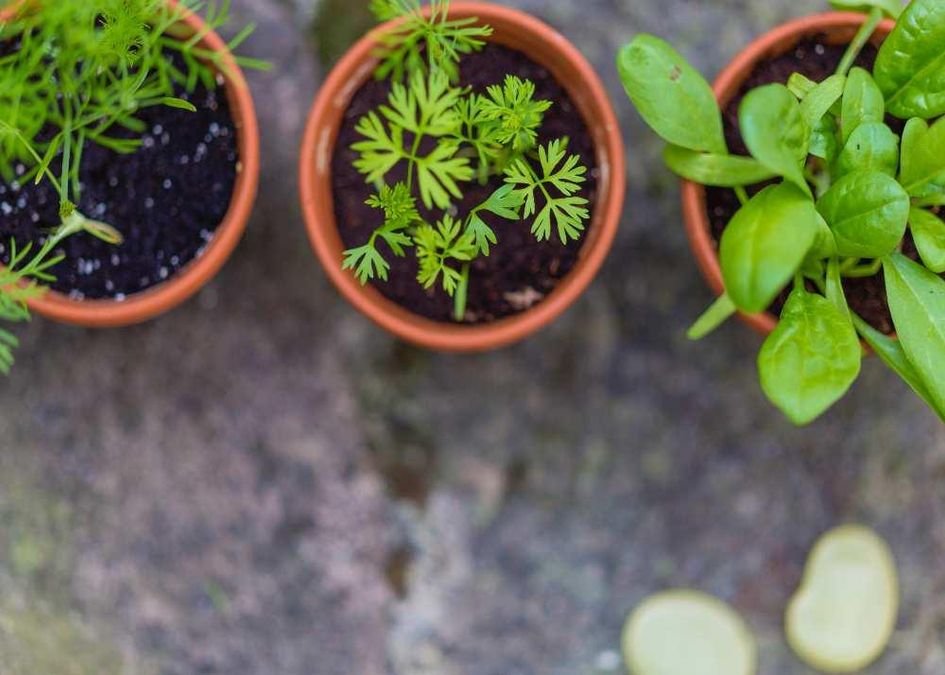 Small, big, wide, or narrow; size doesn’t matter although. You can start it from the spare area next to your home or balcony in garden pots. This actually depends on your need and the kind of vegetable you are growing.
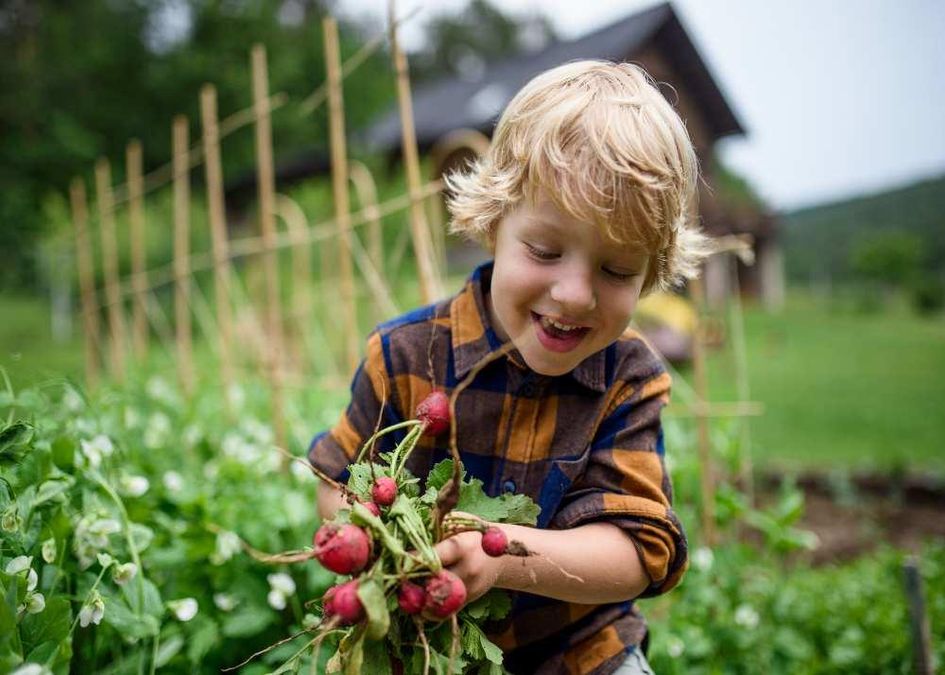
The second step of planning a vegetable garden is really a thoughtful process especially if you have kids at home. They won’t like to eat healthy veggies like pumpkin, kale, and broccoli. Ask them instead what to grow?
It also depends on your family's needs and weather. If you are living in cold regions then, you can grow;
Pick according to weather type or else all your efforts will go waste.
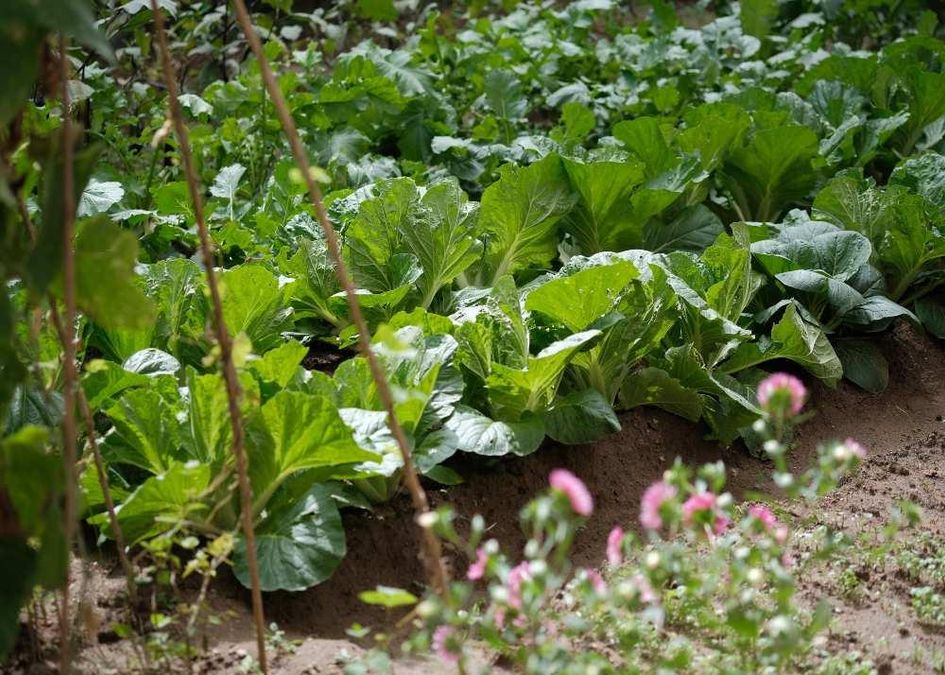
When planning a vegetable garden, think of its layout too as it brings a huge change in its appearance. It also makes managing plants easier. The common garden layouts are-
2. Intensive cropping- here 2-3 plants are separated with more distance so that their leaves don’t touch each other
3. Square-foot method- it is the most efficient vegetable garden plan where you can grow multiple veggies in less space. The space is divided into small squares each dedicated to different types of plants.
If you are still confused, use a vegetable garden planner. There are several free and paid tools online. Just fill in all the details like what you want to plant, garden size, and more. It will give you results like planting date, correct layout, harvesting dates, and more.
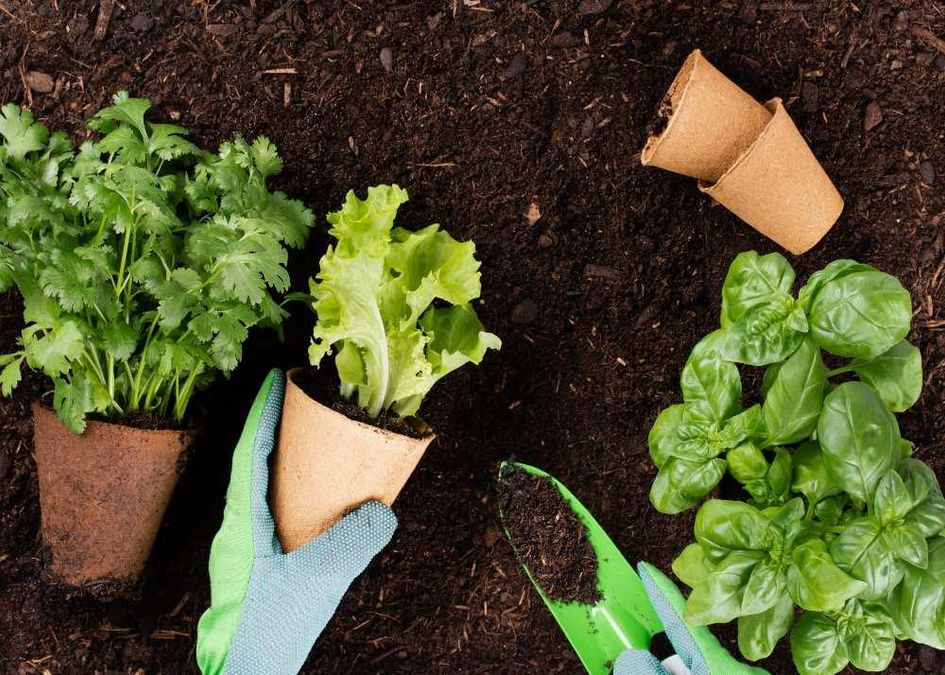
Your vegetable garden cannot survive long without nutrients that come from the soil. You must have knowledge of good soil so that the drainage and nutrient availability of soil is not affected. Check for its texture, it should not be gritty, sandy, sticky, or dry.
There is no perfect soil although; you can increase its goodness by adding organic matter to it. This will restore its lost moisture and nutrients with time. For those with zero knowledge of soil, loam is an ideal one.

Weeds, pests, and garden insects will kill your veggies. They will eat all the nutrients away from vegetables making them unhealthy and infectious. They also ruin soil’s health. So using pesticides is very important and you cannot skip this part.
Spray them at the right time i.e. when the temperature is less hot. But don’t just completely rely on pesticides as overusing will do no good to them, after all, they are chemicals. Use only as per manufacturer’s directions and make sure the garden is clean attracting fewer insects.
Now you know how to make a vegetable garden, get all the seeds and follow the steps.