/
/
A fit 70-year-old woman shares five habits for healthier ageing, from strength training and building muscle to protecting mental well-being and confidence.
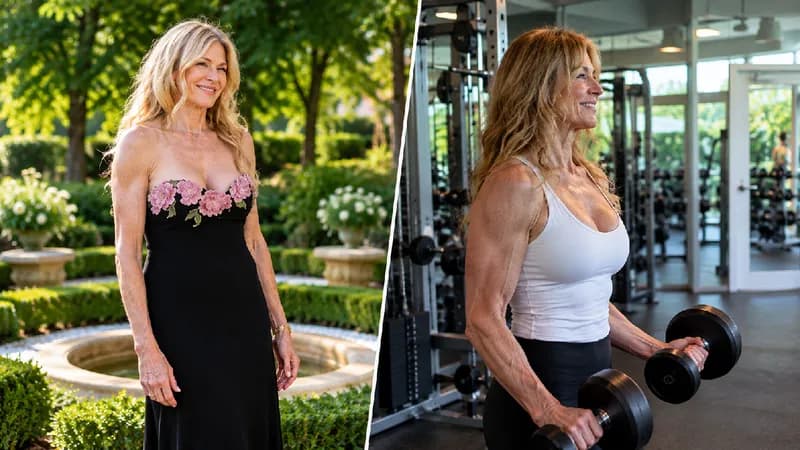
What if the habits you build in your 30s, 40s and 50s could help you feel stronger and more independent at 70? Carrie Sisson, a 70-year-old woman whose muscular physique has attracted attention online, is encouraging people to rethink what ageing should look like. Her message is simple: focus on strength, protect your mental well-being and stop letting age determine what you can do.
In an August 28 social media post, Sisson shared five habits she believes people between 30 and 60 should start practising if they want to feel good in later life. Her advice challenges the familiar idea that fitness is mainly about losing weight or burning calories. Instead, she puts functional strength, muscle development and a positive approach to ageing at the centre of the conversation.
Her personal experience has sparked interest, but there is an important distinction: one person's fitness journey does not guarantee the same results for everyone. Still, several of her recommendations are consistent with established public-health guidance on physical activity and healthy ageing.
Sisson's advice covers more than exercise. She also highlights how people think about their bodies, respond to age-related expectations and choose the influences they allow into their lives.
One of Sisson's biggest recommendations is to pay more attention to what your body can do than to the number displayed on a weighing scale.
Can you carry your shopping bags comfortably? Can you climb stairs without struggling? Can you get up from the floor without needing help? These everyday movements can tell you something important about your physical capabilities.
Weight and appearance can be part of someone's personal fitness goals, but they do not tell the whole story. Strength, balance, mobility and endurance also matter, particularly as people grow older.
A practical starting point is to include appropriate resistance exercises in your routine. Depending on your fitness level, these might involve bodyweight movements, resistance bands, light dumbbells or gym equipment.
The goal is not to lift the heaviest weight possible. It is to build the strength needed for everyday life and improve it gradually.
Sisson describes muscle as an insurance policy for ageing. The comparison reflects an important point: maintaining muscle can help people preserve physical function as they get older.
Muscle mass and strength can decline with age, especially when physical activity is limited. This can make everyday tasks more difficult and contribute to reduced independence.
Strength training can help counter some of these changes. Exercises that challenge major muscle groups, when performed safely and consistently, can support strength and functional ability.
However, building muscle is not only about exercise intensity. Adequate nutrition, recovery and consistency also play a role.
For adults who are new to strength training, starting with manageable resistance and learning the correct technique is generally more sensible than attempting demanding workouts immediately. Anyone with an existing health condition or significant mobility limitations should seek suitable guidance before beginning a new programme.
Walking, cycling, swimming and other aerobic activities can support heart health and overall fitness. But Sisson argues that cardio should not be the only focus.
Her recommendation is to make strength training a regular part of a balanced routine.
That matters because aerobic exercise and resistance training serve different purposes. Aerobic activity improves cardiovascular fitness, while resistance exercise helps maintain or improve muscular strength. Both can contribute to healthy ageing.
For example, a weekly routine might combine brisk walking with strength exercises suited to the person's ability. Balance-focused activities can also be useful, especially for older adults who are concerned about falls.
The right combination depends on age, health, current fitness and personal goals. Beginners do not need to start with an intense schedule; gradually building a sustainable routine is a more realistic approach.
Sisson's fourth recommendation moves beyond physical fitness. She encourages people not to restrict their lives simply because they have reached a particular age.
That could mean trying a new hobby, travelling when circumstances allow, wearing clothes that make you feel confident or learning a skill you previously put off.
Ageing affects people differently, and health or mobility limitations are real for many individuals. But age alone does not determine every person's interests, ambitions or ability to enjoy new experiences.
The bigger message is about avoiding unnecessary self-imposed limits. Turning 50, 60 or 70 does not mean someone must stop exploring opportunities or making plans.
A fulfilling later life can include exercise, relationships, creativity, learning and activities that bring a sense of purpose. There is no single correct way to grow older.
Sisson's final recommendation focuses on mental well-being. She urges people to pay attention not only to what they eat and how they exercise, but also to their thoughts, relationships and daily surroundings.
Stress, isolation and difficult relationships can affect how people experience everyday life. Supportive friendships, meaningful activities and healthy boundaries may help people maintain a better sense of well-being.
This does not mean that positive thinking alone can solve every problem. Mental health is influenced by many factors, including circumstances, physical health and access to support.
Still, making time for people who treat you well, pursuing activities that matter to you and seeking help when you need it can be valuable at any age.
Sisson's wider point is that healthy ageing involves more than physical appearance. Feeling strong and capable also means making space for a life that feels meaningful.
Sisson's recommendations broadly align with guidance from the World Health Organization (WHO), which emphasises regular physical activity for adults, including older people.
For adults aged 65 and older, the WHO recommends a combination of aerobic activity, muscle-strengthening exercises and activities that emphasise functional balance. Its guidance includes:
These are general public-health recommendations, not a personalised exercise prescription. People who are inactive can begin with smaller amounts and gradually increase activity according to their abilities.
The WHO also stresses that some physical activity is better than none. A person does not have to become an athlete to benefit from moving more regularly.
For older adults, the aim is not necessarily to achieve a particular appearance. It is to preserve health, mobility and independence while adapting activity to individual needs.
You do not need to overhaul your lifestyle overnight to put these ideas into practice. Small, repeatable changes can make the process easier to maintain.
If you are starting from a low level of activity, consider these steps:
People with chronic conditions, a history of falls, persistent pain or significant mobility concerns should consult a qualified healthcare professional or exercise specialist about appropriate modifications.
Consistency matters more than trying to transform your fitness in a few days. The most useful routine is one that fits your health, abilities and everyday life.
Sisson's post challenges a familiar cultural idea: that getting older automatically means becoming less active, less adventurous or less interested in personal growth.
Her muscular appearance may have caught people's attention, but her message goes beyond looking fit. She encourages people to think about the practical abilities they want to preserve and the kind of life they hope to lead in later years.
That distinction is worth remembering. Not everyone will have the same physique, training opportunities or health outcomes, and a person's worth should never be measured by how young they look. Healthy ageing is about supporting physical function, emotional well-being and independence, not meeting an aesthetic standard.
Her advice also offers a useful reminder for younger adults. Looking after your future health does not have to begin at retirement. Building sustainable habits earlier may help support well-being in the years ahead.
Sisson's five recommendations are to prioritise functional strength, build and maintain muscle, combine strength training with aerobic activity, resist limiting expectations about age and protect mental well-being. No routine can guarantee how someone will feel at 70, but making appropriate physical activity and healthy daily habits part of life can help support a stronger, more independent future.
Disclaimer: This article is for general informational purposes only and is not a substitute for professional medical advice. Sisson's personal claims are based on social media content and have not been independently verified. Consult a qualified healthcare professional before making significant changes to your exercise routine.