/
/
What is the 7-Day Panchakarma Program for PCOD? Learn about the complete 7-day Ayurvedic process—including preparation, detoxification, recovery
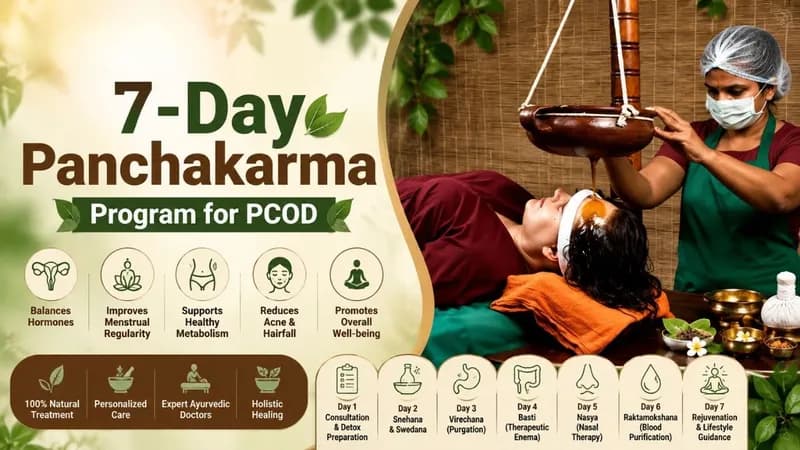
PCOD (Polycystic Ovarian Disease) has become an increasingly common issue among women today. It can lead to problems such as irregular periods, weight gain, facial acne, hair loss, fatigue, and difficulty conceiving. According to Ayurveda, the primary causes of PCOD are the accumulation of Kapha and Vata doshas and Ama (toxins) in the body.
Panchakarma therapy is considered highly effective in Ayurveda for addressing these issues. It helps cleanse the body internally, balance hormones, and improve metabolism.
If you do not have a lot of time, a 7-day Panchakarma program can be an excellent option to reset your body. Let’s understand how this 7-day program works in simple terms.
It is a short yet effective Ayurvedic detox program that involves preparing the body for purification, eliminating toxins (Ama), and finally, rejuvenating and strengthening the body.
The program is completed in three stages:
The objective of the first three days is to prepare the body for detoxification.
1. Snehana (Internal Oiling)
2. Swedana (Herbal Steam Therapy)
After consuming the ghee, herbal steam is applied to the entire body.
This helps to:
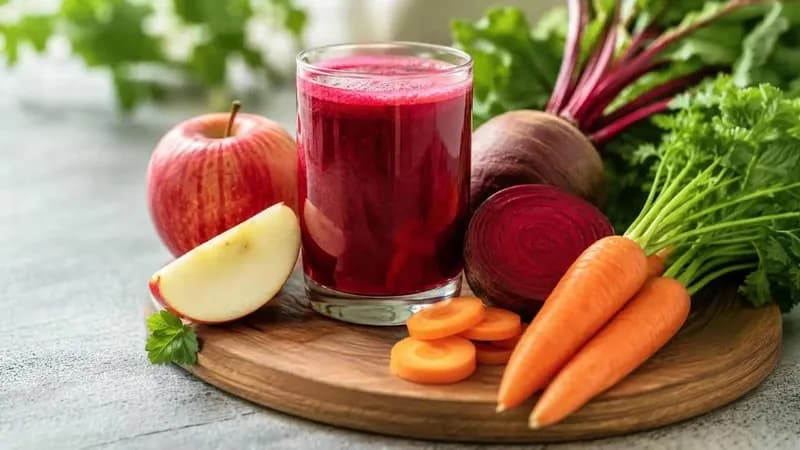
3. Light diet
A very light diet is provided during this period.
Such as:
Heavy, fried, and packaged foods are completely avoided.
What might one experience during the first three days?
Initially, some people may experience
such common reactions.
This is considered part of the body's cleansing process.
The body is now fully prepared for purification.
The doctor selects one of two primary treatments based on your body constitution and health status:
1. Virechana
This involves cleansing the body with the help of specific Ayurvedic medicines.
Its objectives are:
2. Basti (Basti Therapy)
For some women, Basti is administered instead of Virechana.
Rest is essential during these days.
During purification:
Once the body cleansing is complete, the crucial recovery phase begins. Gradually resume a normal diet. Dietary intake is increased gradually during these days.
Initially:
Then:
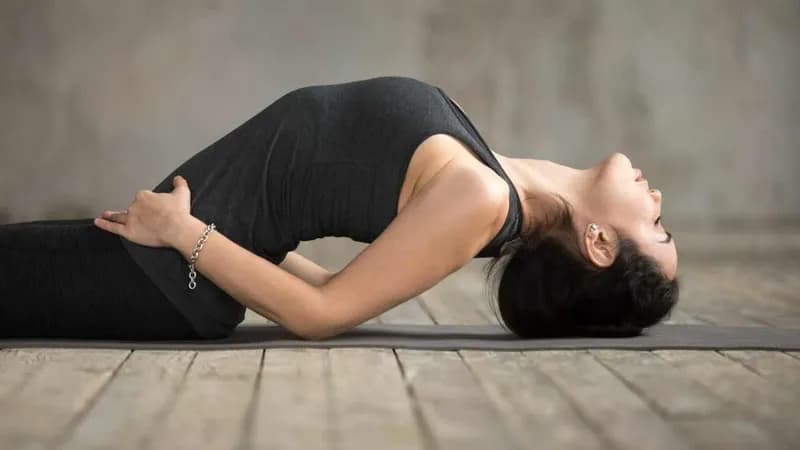
And finally, a normal Sattvic diet is resumed. This process is known as Samsarjana Krama. Light Yoga and Pranayama Light yoga is introduced during the recovery phase.
Such as:
Additionally:
.are also considered beneficial.
The doctor may also prescribe specific Ayurvedic medicines tailored to your needs to help maintain hormonal balance in the long term.
Panchakarma, when performed correctly and under expert supervision, is considered beneficial for many women.
Potential benefits:
Please note that results may vary from person to person.
Undergo Panchakarma only under the supervision of an experienced Ayurvedic doctor.
Not necessarily. A 7-day program is sufficient for some people, while others may be advised to undergo an extended 14-day or 21-day Panchakarma regimen.
It depends on factors such as your age, weight, the severity of PCOD, digestive strength, and other health conditions.
Panchakarma should not be undertaken without medical advice in the following situations:
Panchakarma can be part of PCOD management, but it does not guarantee a complete cure in all cases on its own. For better results, consider the following factors as well:
A 7-day Panchakarma program can be a beneficial Ayurvedic procedure for cleansing the body internally and improving hormonal balance. This process involves first preparing the body, then eliminating toxins, and finally revitalizing the body through a proper diet and lifestyle.
If you are struggling with PCOD and considering Panchakarma, consult a qualified Ayurveda expert before starting the treatment. Panchakarma, combined with a proper diet, regular exercise, and a healthy lifestyle, can help yield better results.
Disclaimer: This article is intended for general information purposes only. It is not a substitute for professional medical advice, diagnosis, or treatment. Always consult a qualified Ayurvedic physician or healthcare professional before starting Panchakarma or any Ayurvedic treatment.