/
/
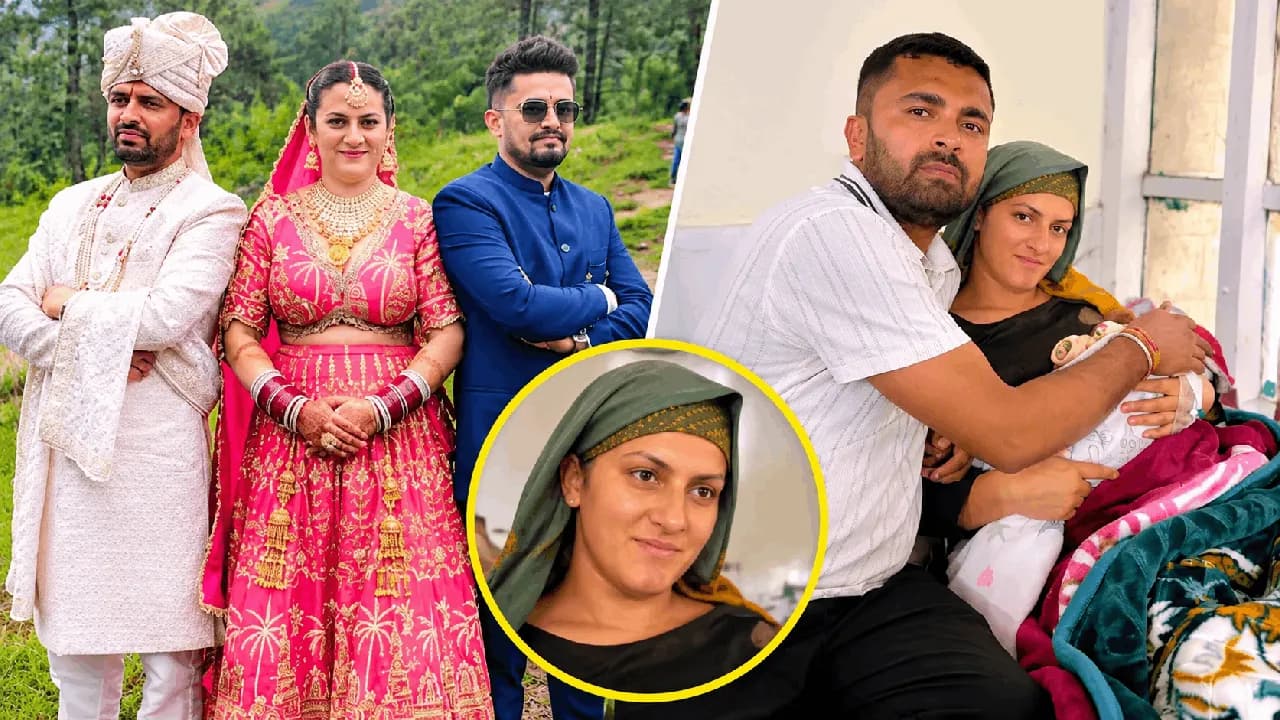
Payal Gaming's viral video controversy took a major turn after Maharashtra Cyber Police confirmed the clip was altered and identified as an AI deepfake.

It took just a few hours for one fake video to turn into a full-blown social media crisis. The Payal Gaming MMS controversy is a story that many people followed for the wrong reasons, but the outcome carries a lesson everyone online needs to hear. Popular Indian gamer and content creator Payal Dhare, known widely as Payal Gaming, was falsely linked to an intimate video that spread rapidly across platforms. She denied it immediately and firmly. And then Maharashtra Cyber Police stepped in and confirmed what she had been saying all along: the video was digitally altered, and it was an AI-generated deepfake.
This case stopped being just another internet controversy the moment official authorities confirmed the truth. It became a warning about how dangerous and fast-moving AI-generated misinformation can be, and the very real damage it does to real people.
The controversy first surfaced in December 2025 when an intimate video began circulating online, with people claiming the woman in it was Payal Dhare.
The Payal Gaming viral video spread with alarming speed, triggering speculation, memes and an avalanche of searches. But at no point was there any verified evidence that Payal was actually the person in the footage.
While misinformation was spreading, many of her fans pushed back, questioning whether the video was even real. Still, the pressure mounted until Payal herself had no choice but to publicly address something deeply personal, something she had absolutely nothing to do with.
On December 17, 2025, Payal Dhare broke her silence.
She was direct: the woman in the video was not her. The footage had no connection to her life, her choices or her identity. She described the experience as painful and humiliating, having her name dragged through something she had no part in.
She also asked media outlets and social media users to stop sharing, reproducing or speculating about the content. And she confirmed that legal action was already being pursued over the misuse of her name and image.
The turning point came when Maharashtra Cyber Police finished examining the footage.
According to reports citing an official certificate from the Maharashtra State Cyber Department, the video was analysed using available technological tools and found to have been tampered with and modified. The analysis, dated December 19, 2025, formally identified it as a Payal Gaming deepfake, created using artificial intelligence.
Based on Payal's complaint, police registered a criminal case against unknown persons and launched an investigation into who made it and who spread it. Reports indicate the case was filed under provisions of the Bharatiya Nyaya Sanhita, the Information Technology Act and the Indecent Representation of Women (Prohibition) Act.
This official confirmation changed the entire conversation. Payal's denial had always been there, but now, independent verification backed her up completely.
The Payal Gaming MMS controversy followed a pattern that's becoming frighteningly common:
That cycle becomes especially brutal when the content is intimate or sexually explicit. By the time the truth comes out, the damage is already done. The false version has already been seen, screenshotted and shared by millions.
Payal's case shows, in stark terms, how easily online curiosity can overwhelm common sense. A real person's reputation becomes collateral damage for someone else's engagement numbers.
There was another risk hiding inside the Payal Dhare viral video controversy: predatory fake links.
Whenever a controversial topic trends, cybercriminals move in quickly. They create fake pages, misleading ads and suspicious links, all designed to exploit the people searching for more information. Anyone looking for the alleged video online may have unknowingly wandered into traps built to steal personal data or redirect them to harmful websites.
The advice here is simple and worth repeating: don't click on links from unknown sources that claim to provide access to viral videos. Curiosity is understandable, but it's also exactly what these bad actors count on.
Payal Dhare, better known as Payal Gaming, is one of India's most well-known gaming content creators. She started her YouTube journey in 2019 and grew into one of the most recognised names in India's gaming and esports community, building millions of followers across platforms through her gaming videos and livestreams.
Her large following is precisely why the false claim spread so fast. The bigger the name, the further the rumour travels.

Social media personality Anjali Arora publicly stood with Payal and spoke from her own painful experience of being falsely linked to explicit content online.
She talked about the emotional and professional consequences that don't just disappear when a controversy fades from the timeline. The effects linger, on careers, on families, on mental health, on how a person is perceived for years afterwards.
Her words added something important to this conversation: the harm isn't measured in trending days. It can last much, much longer.
Deepfake technology uses artificial intelligence to create or alter images, audio and video in ways that can look alarmingly convincing. And while AI itself has many legitimate uses, its misuse has become one of the more disturbing problems of the digital age.
This isn't about badly edited photos anymore. The technology has advanced to the point where manipulated videos can be created and spread across the internet before the targeted person even knows it's happening.
That's why verification matters so much now:
The Payal Gaming case is a sharp reminder that the internet can collectively believe something is true long before a single person has actually checked whether it is.
Before anyone hits the share button, the Payal Gaming viral video case deserves a moment of reflection.
It started with an unverified claim. It escalated into a public nightmare for someone who had done absolutely nothing wrong. Payal had to deny it, pursue legal action and watch speculation spiral, all over content that investigators later confirmed had been digitally fabricated.
And the most uncomfortable part? This whole cycle has become predictable. A fake video appears. A name gets attached. Social media runs with it. The victim is left cleaning up a mess they never made.
That is why the Maharashtra Cyber Police confirmation matters as much as it does. It reinforces something that needs to become a baseline expectation in the AI era: viral does not mean verified.
Responsible sharing is no longer just good manners on the internet. When the technology exists to fabricate convincing fake videos of anyone, checking before sharing becomes an act of basic human decency.
The Payal Gaming MMS controversy was built on a lie. A manipulated video, a famous name and a fast-moving internet did the rest. Payal Dhare denied it immediately, and Maharashtra Cyber Police confirmed that the video had been digitally altered and was an AI-generated deepfake.
This case is a warning, about AI misuse, about online misinformation and about the human cost of viral content that nobody bothered to verify. Every share of that video was a share of something fake. And behind every fake viral controversy is a real person left dealing with consequences they never deserved.
Disclaimer: This article discusses a viral controversy for news and public-interest reporting purposes. It does not host, link to, reproduce or encourage the sharing of the manipulated or intimate content involved in the case.