Madison Flame Viral Video: What’s Behind the 5:14 Link Claims?
Madison Flame viral video searches are spreading over a claimed 5:14 clip. Here’s what is verified, what remains unconfirmed, and why the links may be risky.


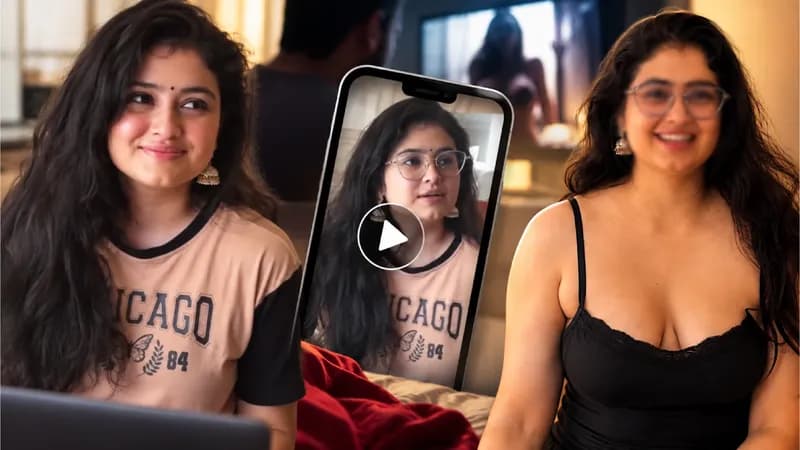
The Madison Flame viral video search is gaining attention on social media, but the story being circulated online is far less clear than the comments make it appear.
Several Instagram users have reportedly been sharing posts associated with the name Madison Flame, while comments claim that a “5:14 video” is available through a link or can be sent directly to users. Some comments simply tag other accounts and ask where the alleged clip can be found.
However, there is currently no reliable, independently verified source establishing that a specific leaked 5:14 video exists or that the circulating links lead to an authentic original recording.
That distinction matters because viral “full video” claims are frequently used to push people toward suspicious websites, fake downloads, phishing pages or paid subscription traps.
Madison Flame Viral Video: What Is Actually Being Shared?
The material circulating online appears to centre on social-media posts and reels associated with the name Madison Flame. Some users have reposted or commented on the content while adding phrases such as “5:14 video” and asking others to share the alleged link.
A number of comments seen in the circulating material include variations of:
- “5:14 video”
- “Where can I find her?”
- “5:14 video directly to you”
- Tags directing other users toward accounts allegedly connected with the claim
These comments have helped push the phrase into searches, but a comment claiming that a video exists is not evidence that the video is genuine.
The same applies to screenshots of profiles. A username or social-media profile can help identify what account is being discussed, but it does not independently prove the origin, authenticity or context of a supposedly leaked recording.
Who Is Madison Flame?
Online posts identify Madison Flame as a social-media personality and model. Some circulating descriptions also associate the name with adult-oriented online modelling.
However, several biographical details being repeated across social media, including claims about her age, birthplace, nationality and professional background, could not be independently verified through reliable sources during our review.
For that reason, those details should be treated as social-media claims rather than established facts.
There is also a possibility of impersonation or misleading accounts whenever a name suddenly becomes associated with viral searches. Users should therefore avoid assuming that every account using a particular name belongs to the same person.
What Does the “5:14 Video” Claim Mean?
The “5:14” reference appears to be functioning mainly as a search hook.
People often attach an exact duration to alleged viral or leaked videos because a precise number makes the claim sound more authentic. Once users begin searching for that duration, other accounts can copy the same wording, creating the impression that thousands of people have independently confirmed the video.
That does not necessarily mean the alleged clip exists.
In this case, the available material reviewed for this article does not establish an authentic original source for a specific 5-minute-14-second recording.
Why You Should Not Search for or Download the Alleged Clip
There is another issue that deserves more attention than the viral comments themselves: cybersecurity.
Scammers can use trending names and specific video durations to create fake “watch now,” “download full video” or “original link” pages. Such pages may attempt to collect personal information, redirect visitors through multiple websites, push unwanted downloads or trick users into paying for something that does not exist.
This is not just a theoretical concern. The Indian government has repeatedly warned about cybercrime, phishing and suspicious online identifiers, and the National Cyber Crime Reporting Portal allows users to report suspicious websites, social-media URLs and other identifiers.
Recent government action has also highlighted how scammers misuse online infrastructure to distribute malware and steal sensitive information.
So, if a post promises an “original Madison Flame 5:14 video” in exchange for clicking an unfamiliar link, entering your phone number, installing an app or downloading a file, the safest option is to leave the page.
What About Privacy and Leaked Content?
Sharing or distributing someone's private intimate material without consent can have serious legal consequences in India.
Section 66E of the Information Technology Act addresses the intentional or knowing capture, publication or transmission of images of a person's private area without consent in circumstances violating privacy. The provision carries imprisonment of up to three years, a fine of up to ₹2 lakh, or both.
The IT Act also contains separate provisions covering obscene material, sexually explicit material and material involving children.
The POCSO Act applies specifically to children below 18, so it should not be casually invoked merely because a social-media rumour uses sensational language.
In other words, users should not download, repost or circulate alleged private footage simply because it is trending.
Is the Madison Flame Viral Video Real?
There is not enough reliable evidence to confirm the specific viral 5:14 video claim.
What can be established from the material circulating online is that:
- Social-media users are discussing a video allegedly associated with Madison Flame.
- Some comments refer specifically to a “5:14” clip.
- Users are sharing or requesting alleged links.
- The existence of a genuine original leaked recording has not been independently established.
- Unverified links promising such footage may pose privacy, malware, phishing or financial risks.
That makes it important to separate the viral search trend from the truth of the underlying claim.
The Bigger Problem With Viral “Full Video” Searches
This pattern is becoming increasingly familiar on social media. A person's name suddenly starts trending alongside a precise video duration. Users become curious, accounts begin posting “link?” comments, and other pages exploit that curiosity by promising access to the supposed original footage.
By the time the phrase becomes widely searchable, it can become difficult to tell whether people are discussing a real event, an old clip, an unrelated recording, an edited video, an impersonation or simply a scam.
The Madison Flame case should therefore be approached with the same caution.
A viral comment is not verification. A screenshot is not proof. And a link claiming to contain a “full leaked video” is not evidence that the video exists.
What Should Users Do?
If you encounter a post claiming to have the Madison Flame 5:14 video, don't click unfamiliar links or download files from unknown sources.
If you have already entered sensitive information on a suspicious website, downloaded something unusual or believe you have become a victim of cybercrime, India's National Cyber Crime Reporting Portal provides an official route for reporting cyber incidents.
Most importantly, avoid forwarding alleged private footage. Even if the material is already circulating, reposting it does not make its distribution legitimate.
The Madison Flame viral video discussion appears to be driven largely by social-media posts, comments and claims surrounding a supposed 5:14 clip. At this point, there is no reliable verification of an authentic original leaked video matching those claims.
The safest approach is simple: don't chase suspicious “full video” links, don't provide personal information to unknown websites, and don't share alleged private footage. The more people click and repost unverified claims, the easier it becomes for scammers and impersonators to turn curiosity into a cybersecurity or privacy problem.
Disclaimer: This article discusses publicly circulating social-media claims for news and digital-safety awareness. The alleged video has not been independently verified, and no links to purported leaked or private footage are provided.