/
/
Old news trends again: Pakistani anchor Mona Alam takes strict legal action as a fake MMS video goes viral online. Read on to find out the truth behind the fake leak.
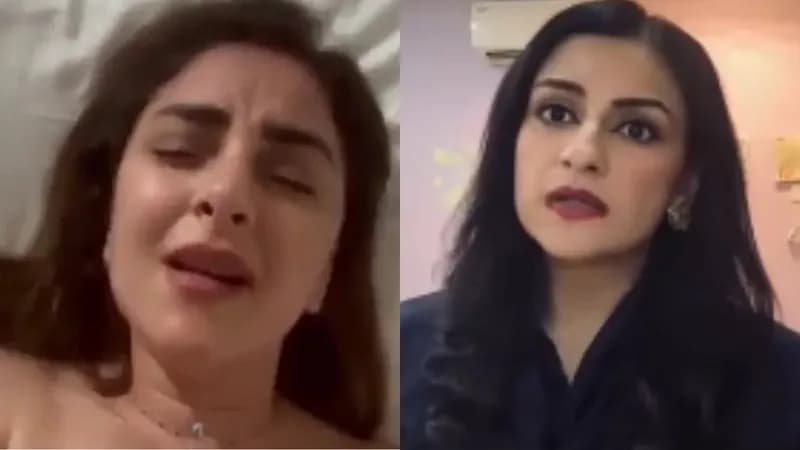
A troubling trend of digital defamation and fake "MMS videos" targeting prominent media personalities has hit the spotlight once again.
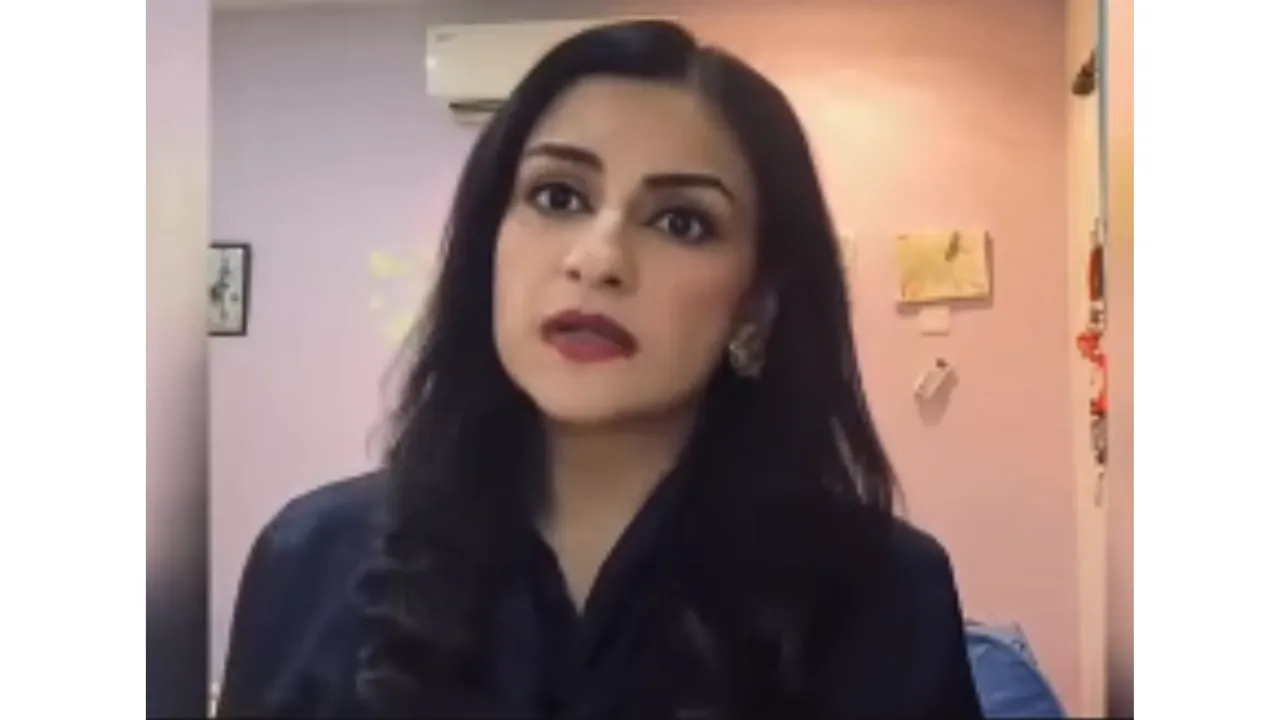
The latest target of this online character assassination campaign is well-known Pakistani news anchor Mona Alam, who has taken a firm, transparent stand against a fabricated video falsely attributed to her.
Alam, the host of the high-profile show Question Hour with Mona Alam on Hum News, directly addressed the malicious claims spreading across social media channels, calling out "petty haters" and moving swiftly to take legal action against the perpetrators.
The controversy erupted when a compromised, explicit video began circulating on platforms like X (formerly Twitter) and WhatsApp, with malicious accounts alleging that the woman in the video was Alam.
Instead of remaining silent, the journalist confronted the situation head-on. Taking to her official X account, Alam shared a screenshot of the viral post alongside definitive proof that the claim was entirely fabricated.
"This woman's objectionable video is being spread by petty haters on social media, claiming it's me," Alam stated publicly.
To completely dismantle the false narrative, she shared an authentic, unedited image of the actual individual featured in the video, who she noted is a known criminal proving beyond a doubt that the two individuals look completely different and share no connection.
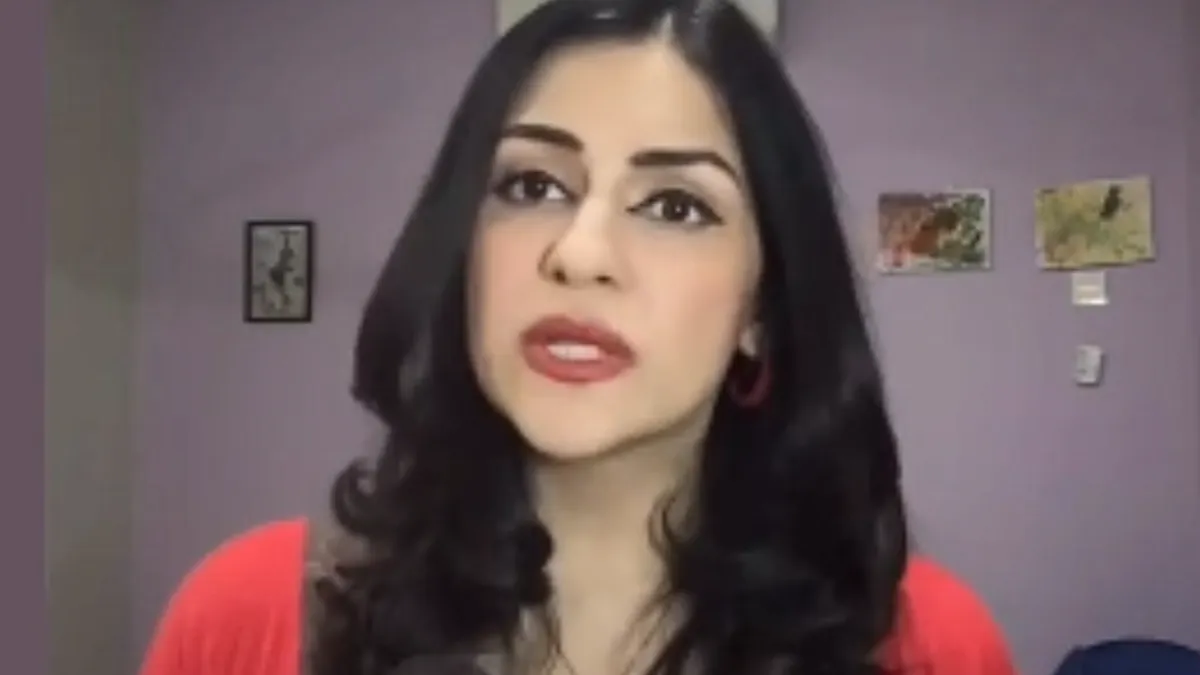
Emphasizing that her character is "spotless," Alam made it clear that she will not let digital trolls off the hook. She has officially lodged a formal police complaint with the Additional Director of the Federal Investigation Agency (FIA) Cyber Crime division in Islamabad.
The legal complaint includes explicit links to the social media profiles and posts that initiated and amplified the smear campaign.
Furthermore, Alam revealed a deeper layer to the coordinated attack: some senior journalists and media figures had been directly targeted via WhatsApp with the fake video files in a deliberate attempt to poison her professional reputation within the industry.
"All those campaigning against it will face the music!" Alam warned, signaling that she intends to pursue criminal charges to the fullest extent of cyber defamation laws.
The targeting of Mona Alam is not an isolated incident. It highlights a dangerous, escalating wave of digital harassment, deepfakes, and deep-rooted character assassination efforts aiming to compromise women in Pakistan’s media and entertainment landscapes.
Within recent months, several high-profile Pakistani influencers, content creators, and celebrities have fallen victim to similar manufactured controversies, including:
Minahil Malik
Imsha Rehman
Kanwal Aftab
Maryam Faisal
Mathira Mohammad
In the vast majority of these instances, the victims have publicly called out the media as heavily altered, entirely fake, or stolen out of context.
Cyber security experts warn that the rapid rise of sophisticated AI tools and accessible video editing software has made it easier than ever for bad actors to weaponize identity online, underscoring the urgent need for stringent enforcement of cybercrime regulations across digital spaces.
The sudden resurgence of interest in Mona Alam's case comes amidst a sharp rise in "deepfake" and AI-driven celebrity impersonation scams across South Asia, leading internet users to revisit previous high-profile digital defamation cases.
As platforms like TikTok and X grapple with a new wave of automated bots distributing old, debunked media files under the guise of "fresh leaks," search interest has spiked globally. This renewed attention highlights a growing public debate on the transparency of social media algorithms, which often inadvertently reward sensationalized, controversial content with higher visibility, forcing older incidents back into the viral spotlight.
Disclaimer: This article is for informational purposes only. The media referenced has been definitively debunked by the individual involved and relevant authorities. We do not host, share, or link to explicit or unverified content.