/
/
Seeing “Ek like 5:14 video sidha aapke pass”? These viral comments can lead users toward fake links, phishing pages or malware. Here’s how to stay safe.
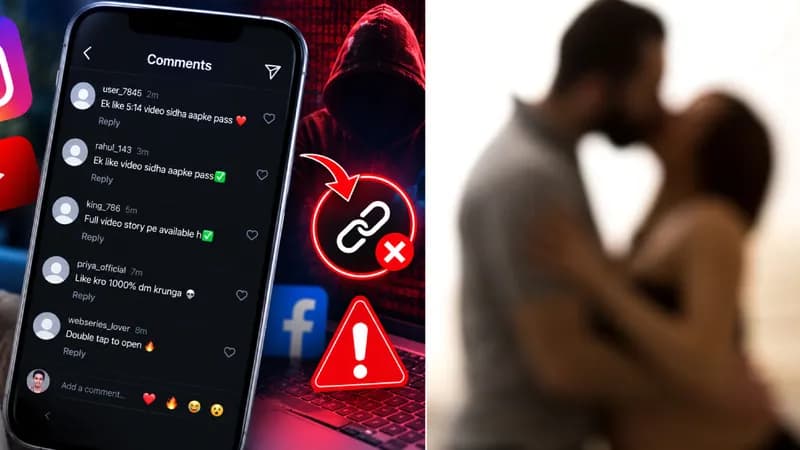
Scroll through the comments on any popular post on Instagram, Facebook or YouTube these days, and chances are you'll spot something odd. Dozens of accounts are dropping nearly identical messages, all promising a "full video" if you just hit like, send a DM or visit their profile.
Some of the comments currently going around look like this:
The exact wording keeps changing, but the game plan stays the same every time: spark curiosity, dangle the promise of something exclusive and nudge you toward taking some kind of action.
What makes it harder to dismiss is that this same phrasing is showing up across completely unrelated posts and accounts. This isn't a one-off thing happening in a single corner of the internet.
The 5:14 video scam is less about one specific operation and more about a type of social-media bait that keeps recycling itself under different names.
The "5:14" detail is the clever part. It makes the comment feel weirdly precise, like the person genuinely has a specific clip that's five minutes and fourteen seconds long. That specificity is what makes it feel real.
But here's the thing, there's rarely any actual reason to believe that video exists at all.
The real risk kicks in the moment curiosity wins and you find yourself clicking on an unfamiliar profile, following some instruction in a bio, landing on an external website or downloading something you didn't plan to.
India's National Cyber Crime Reporting Portal has specifically warned users against clicking suspicious links or attachments that come through social media, flagging them as potential attempts to infect your device with malware.
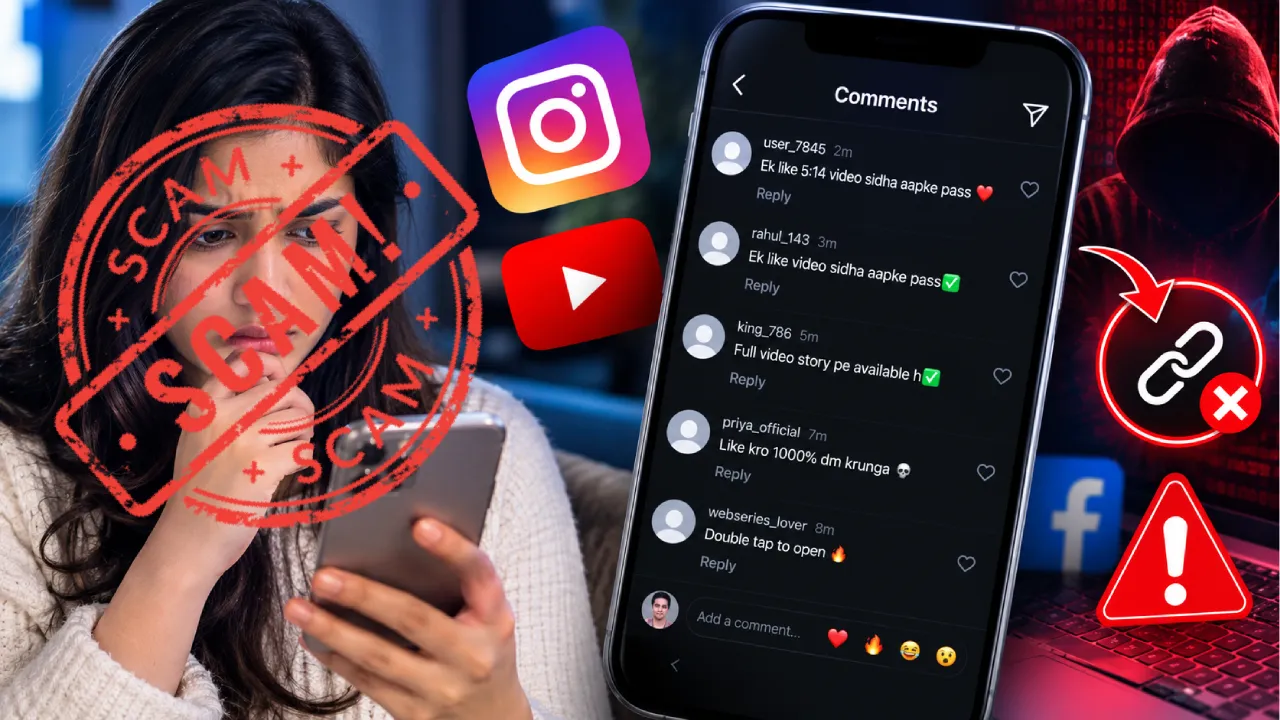
These social media spam comments are built on one of the oldest tricks in the book: make someone curious first, then ask them to act.
A typical chain might unfold like this:
Viral post → suspicious comment → profile visit → DM/story/link → external website → request to click, log in or download
To be clear, not every comment follows this exact path, and seeing a sketchy comment doesn't automatically mean the person behind it is running a full-blown scam. But the pattern is dangerous enough that it's worth treating any unsolicited link or download prompt with real caution.
The Indian Cyber Crime Coordination Centre describes phishing as a form of fraud aimed at stealing sensitive information. Separately, its cybercrime guidance identifies spamming as unsolicited messages that can try to push people toward websites or get them to reveal financial information.
These comments come with a handful of warning signs once you know what to look for.
There's no credible source, no publisher, no explanation of where this supposed video actually came from or why a random commenter has it.
Phrases like "abhi tak nahi dekhi," "moka baar baar nahi milega" and "like karo" are designed to make you act fast without thinking twice.
Rather than sharing anything directly, commenters typically tell you to check a story, send a DM or visit another account, always one step removed from any real content.
Repeated phrases like "Ek like 5:14 video sidha tumhare pass" have been spotted under completely different Instagram posts with nothing in common, which is a strong sign this is coordinated activity.
Things like "Double tap to open," fake-looking photo thumbnails and audio-style snippets are designed to make a plain text comment look like it contains real media. It doesn't. That visual trick is just packaging, there's nothing actually behind it.
The comment itself isn't really the problem. What might happen after you click something is.
Following an unfamiliar link could potentially take you to:
The Indian government's cybercrime guidance advises people not to click suspicious links or files from unknown accounts on social media, and recommends keeping software updated alongside using safe browsing habits.
That said, not every 5:14 viral video comment automatically leads to malware. The real issue is simpler: you have no way of knowing where an unknown link leads just from reading a comment.
Some of these repetitive comments almost certainly come from fake, automated or coordinated accounts, but you can't confirm that just by looking at a single comment.
There are, however, patterns worth watching for: profiles that look freshly created, usernames that seem randomly generated, copied or near-identical comments, unusually high posting frequency, profile content that has nothing to do with the topic, and accounts that keep pointing people toward external links.
India's cybercrime guidance also makes the point that not every social-media account is who it claims to be, and recommends being careful when interacting with strangers online.
So instead of getting stuck on "Is this a bot?", the more useful question to ask yourself is: "Do I have any real reason to trust this account or whatever it's linking to?"
If the honest answer is no, don't click.
Honestly, the safest move is the most boring one: ignore them completely.
Don't like or reply to a viral video comment scam just because it's teasing some hidden footage. Don't follow a stranger's account just to unlock "exclusive" content that may not even exist.
Beyond that, you can also:
The National Cyber Crime Reporting Portal lets you flag suspicious website URLs, Instagram fake link scam profiles, phone numbers, email addresses and other identifiers if you come across them.
Take a breath, but don't brush it off either.
If you landed on a suspicious page but didn't enter any information, download anything or approve any permissions, simply close the page and don't go back to it.
If you did enter a password, change it on the legitimate platform right away. If you shared any financial information or think you've lost money, contact your bank or payment provider immediately and report it as soon as you can.
In India, you can report cyber fraud through the National Cyber Crime Reporting Portal or by calling 1930, the dedicated cybercrime helpline.
The portal also allows you to flag suspicious identifiers, though it's worth noting that its own guidance acknowledges the suspect database is built from complaints, it's not a definitive list of confirmed fraudsters.
The wave of comments promising a 5:14 viral video, a 7-minute clip or some exclusive footage unlocked by a single like is one of the oldest curiosity traps dressed up in new packaging. The comments can seem harmless, or even a little funny, but there's no good reason to trust a stranger's account just because it promises something exclusive.
"Ek like video sidha aapke pass" is not how viral videos work. When it comes bundled with an unfamiliar profile, a suspicious link, a DM request or a download instruction, treat it for what it is, a warning sign.
On social media, one moment of giving in to curiosity can sometimes lead somewhere you really didn't want to go. When a comment feels engineered to be impossible to ignore, that's precisely the moment to slow down and think before tapping.