/
/
An old video shows a Delhi Police DCP saying “Lawrence Bishnoi Sahab.” The clip has resurfaced amid the Tiger Shroff shooting probe and fresh questions.
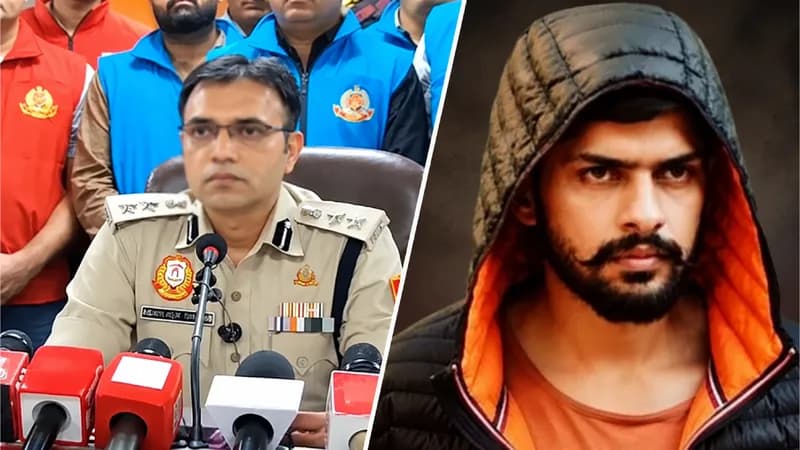
A single word has reignited a debate over police conduct and the public image of organised crime. The Lawrence Bishnoi viral video shows a Delhi Police officer referring to the jailed gangster as “Lawrence Bishnoi Sahab” during a press conference in August 2025. The old clip has resurfaced on social media amid renewed attention on the alleged Bishnoi gang network following the shooting targeting actor Tiger Shroff's car in Mumbai.
The officer seen in the video is Abhishek Dhania, who was serving as a Deputy Commissioner of Police (DCP) at the time. The clip originally circulated while police were discussing an extortion case in which a jeweller had allegedly received threats invoking Lawrence Bishnoi's name.
Dhania reportedly explained that the honorific was an accidental slip of the tongue, which he attributed to having worked with a senior police officer named Omveer Bishnoi.
Despite that explanation, the clip has prompted criticism online, with some users questioning whether law enforcement officials treat alleged gangsters differently from students and activists involved in protests.
The video captures DCP Abhishek Dhania speaking to reporters about a case involving an alleged extortion demand.
According to reports, a jeweller in Delhi's Kalyanpuri area had allegedly received a demand for ₹25 lakh from people invoking Lawrence Bishnoi's name. Police subsequently arrested three suspects in Punjab in connection with the case.
While answering a question during the press conference, Dhania reportedly referred to the gangster as “Lawrence Bishnoi Sahab” while describing the name mentioned in the threatening messages and calls.
The wording quickly attracted attention after the clip circulated online. Critics argued that using an honorific for a notorious gangster sounded inappropriate in an official police briefing.
However, the available reporting does not establish that Dhania intended to express admiration or respect for Bishnoi. The officer's reported explanation was that the word came out inadvertently.
“Lawrence Bishnoi Sahab” The respect Delhi Police has for gangsters… Wish they showed even 10% of this courtesy to students and activists who are doing nothing but protest. https://t.co/znv66dxoNI
— Abhijeet Dipke (@abhijeet_dipke) October 19, 2026
Following the initial circulation of the clip, Dhania reportedly contacted people who had shared it and requested that they remove it.
He explained that he had previously worked with a senior Indian Police Service officer named Omveer Bishnoi. According to the explanation reported in the media, the surname prompted the accidental use of “Sahab” while he was speaking about Lawrence Bishnoi.
The distinction is important. The video records the words used during the press conference, but it does not independently establish the officer's intention.
The incident has nevertheless become a reputational issue because police officials are expected to communicate clearly and professionally, particularly when discussing alleged organised crime.
An accidental phrase can attract criticism, but judging an officer's intentions requires more than a short clip without its full context.
The clip returned to public attention on October 19, 2026, after social media users began sharing it again amid reports of a shooting targeting Tiger Shroff's car in Mumbai's Juhu area.
According to reports published on October 18, unidentified motorcycle-borne attackers opened fire near Pushpa Park. Tiger Shroff escaped without gunshot injuries, while his driver and another person were reported injured.
A social media message attributed to individuals claiming links to the Lawrence Bishnoi gang allegedly took responsibility for the shooting. The message also reportedly threatened people in the Mumbai film industry who continued working with Salman Khan.
However, police had not confirmed the authenticity of the message or established the gang's involvement in the shooting in the reporting available for this article.
The two developments have become linked in online discussions because both involve references to Lawrence Bishnoi. But the resurfacing of the old video does not prove any connection between Dhania's 2025 press conference and the 2026 shooting.
The resurfaced clip drew criticism from social media commentators, including Abhijeet Dipke, founder of the Cockroach Janta Party.
Sharing the video on X, Dipke questioned what he described as the contrast between the way police officials spoke about gangsters and their treatment of students and activists who participate in protests.
His criticism reflected a broader concern among some online users: whether public institutions communicate with the same firmness when discussing powerful criminal networks as they do when dealing with ordinary citizens.
Other posts also mocked the use of the honorific, turning the phrase “Lawrence Bishnoi Sahab” into a trending talking point.
These reactions are opinions expressed by social media users, not evidence that Delhi Police as an institution respects or supports the gangster. The officer's reported explanation also needs to be considered when assessing the incident.
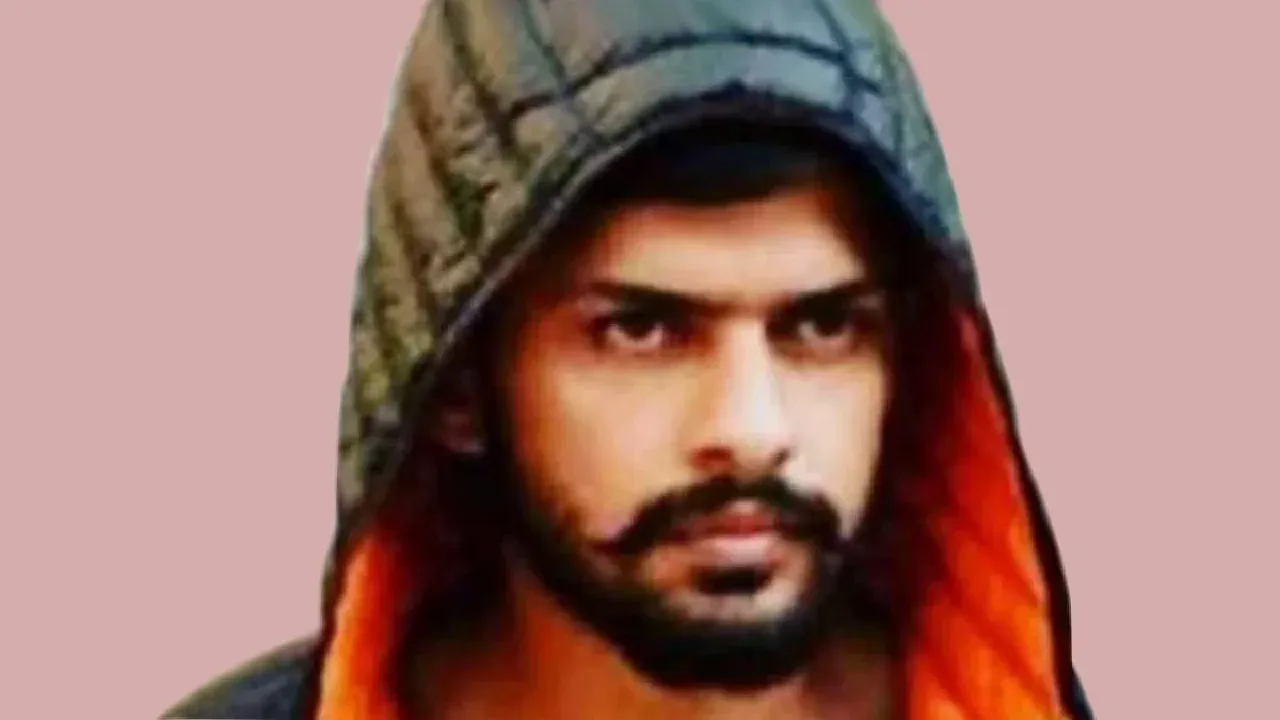
Lawrence Bishnoi is an Indian gangster whose name has appeared in multiple high-profile criminal investigations and threats. He is currently reported to be lodged in Gujarat's Sabarmati jail.
Authorities and investigators have examined alleged criminal networks associated with Bishnoi and their reported activities across different locations. Media reports have also linked people claiming association with the network to threats against celebrities and others.
His imprisonment has not stopped his name from appearing in reports about alleged criminal activity. However, individual claims of responsibility must be verified rather than automatically attributed to him or his associates.
The recent Tiger Shroff shooting has again drawn attention to the question of how alleged criminal networks operate and how authorities investigate threats that originate through social media or other communication channels.
The authenticity of any message, the identity of its author and the connection to a specific crime must be established through evidence.
The controversy highlights a difficult balance in public reporting. Police officers should be accountable for their words and conduct, particularly when addressing serious criminal allegations. At the same time, a brief verbal mistake should not automatically be treated as proof of sympathy for a criminal.
The more substantial public-interest question is whether investigations into extortion, threats and organised crime are conducted effectively, transparently and consistently.
That requires attention to verifiable evidence: arrests, court proceedings, official statements and the progress of investigations. Viral clips can prompt legitimate questions, but they cannot replace that evidence.
In this case, the reported explanation from Dhania provides context for the wording, while the renewed circulation of the clip demonstrates how quickly an old moment can become part of a new controversy.
The Lawrence Bishnoi viral video has returned to the spotlight after the shooting targeting Tiger Shroff's car in Mumbai. In the original 2025 clip, Delhi Police DCP Abhishek Dhania used the word “Sahab” while discussing an extortion case and reportedly explained that it was an accidental slip of the tongue.
Critics have questioned the wording and used it to raise concerns about police conduct. But the clip alone does not establish that the officer intended to show respect to the gangster.
Meanwhile, the alleged Bishnoi gang connection to the Tiger Shroff shooting remains a separate matter requiring evidence and official confirmation. Keeping these issues distinct is essential to understanding both controversies fairly.
Disclaimer: This article distinguishes between recorded remarks, the officer's reported explanation and allegations circulating on social media. Claims about the Tiger Shroff shooting and the alleged gang connection should not be treated as established facts unless confirmed by reliable evidence or official findings.