/
/
A video linked to Ayodhya kathavachak Devendra Pathak is going viral. The clip shows a man resembling him dancing with a woman, but its authenticity remains unverified.
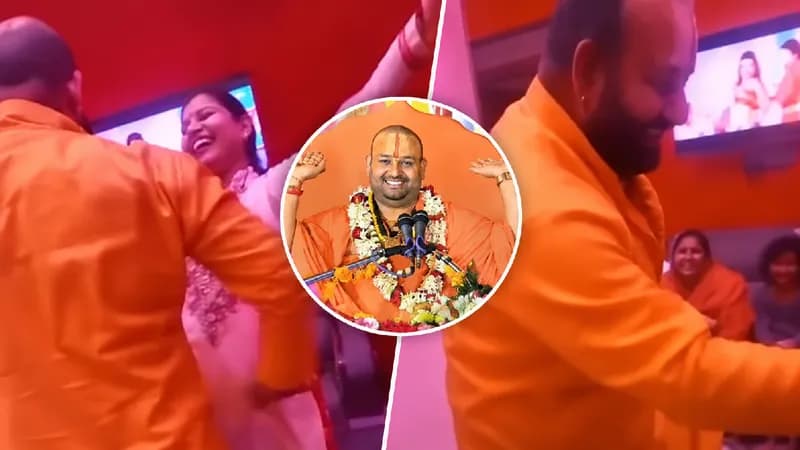
A Devendra Pathak viral video is making the rounds on social media, and it's picking up steam fast. Users are claiming the clip shows the Ayodhya-based kathavachak dancing with a woman to a Bhojpuri song, and that's all it's taken to set off a firestorm of reactions online.
The clip is reportedly around 31 seconds long. It shows a man dressed in saffron-coloured attire dancing with a woman inside what appears to be a room, with other women and a child visible in the background. The video has been shared widely with claims that the man is Devendra Pathak.
Here's the problem: none of that has actually been confirmed. The identity of the person in the video hasn't been independently verified. Nobody knows for certain when it was recorded, where it happened, or who shot it. IBC24, which covered the Ayodhya viral video on September 14, was clear that it had not independently verified the clip either.
From what's being reported and shared, the video shows a man dancing with a woman while a Bhojpuri song plays in the background. Some posts have described what's happening in more charged language, but those descriptions haven't been established through any independent reporting and shouldn't be treated as fact.
The reason this Devendra Pathak video spread so quickly is the association being made, a religious storyteller known for appearing in saffron attire and delivering spiritual discourses, shown in a clip that looks very different from that public image.
That gap between expectation and what the video appears to show is what's driving the reaction. But it's worth pausing here: a clip going viral on social media is not proof of who's in it or what the context actually is. That distinction matters, even when the emotional reaction to a video is strong.
At its core, the controversy is about accountability and image, specifically, what kind of conduct people expect from public religious figures.
Many social media users reacting to the Ayodhya kathavachak viral video have argued that someone who presents himself as a spiritual guide holds a certain public responsibility, and that the clip raises legitimate questions about that. Others have pushed back, saying a person's private life shouldn't automatically become a public controversy just because a video is circulating online.
Both of those conversations are worth having. But they're secondary to the most basic question that still hasn't been answered: is the person in the Devendra Pathak viral video actually Devendra Pathak, and what was the context when this was recorded?
Without answers to those questions, jumping to conclusions about wrongdoing or hypocrisy would be getting well ahead of the facts.
The timing of this Ayodhya viral video matters because it hasn't emerged in a vacuum.
Devendra Pathak was already dealing with separate allegations before this clip surfaced. A woman who identified herself as Jaya Pathak had reportedly come forward claiming she married him in 2014 and that they have a son together. She reportedly approached authorities seeking an investigation and raised concerns about her marital situation. Those allegations have not been independently established as facts.
Devendra Pathak, for his part, reportedly responded to those family allegations publicly. According to Hindustan, he appeared before media and disputed the claims, suggesting they were being made for financial reasons.
It's important to keep these two things separate. The earlier family dispute is a different matter from the Devendra Pathak video now circulating. One doesn't prove the other, and treating them as connected without evidence would be unfair to everyone involved.
Stripping away the speculation, here's what's actually known right now:
When a video goes viral, especially one involving a public figure, the emotional response tends to move faster than the facts. This situation is a clear example of why that's a problem.
If the Devendra Pathak viral video is eventually authenticated, if it's confirmed that the person shown is him, the surrounding circumstances would still need to be understood before any real conclusions could be drawn. And if the identity or context turns out to be something different, the damage done to someone's reputation by unverified social media posts could be significant and very hard to undo.
Right now, the Ayodhya viral video is a social media controversy. It hasn't crossed the threshold into a confirmed, independently established incident.
The conversation about the conduct of religious figures is legitimate and worth having. But it deserves to be grounded in verified facts, not in a clip whose authenticity and context remain genuinely unresolved.
Disclaimer: This article is based on information and claims circulating on social media and reports from available sources. The viral video has not been independently verified, and the identity of the person shown in the clip, as well as the date, location and context of the recording, could not be independently confirmed at the time of publication. Allegations mentioned in the article are attributed to the respective sources and should not be treated as established facts. Readers are advised to await an official statement or verified evidence before reaching any conclusion.