/
/
Madhya Pradesh has introduced a new e-evidence system that allows courts to accept digital evidence such as photos, videos, and audio recordings without requiring a separate 65B certificate.
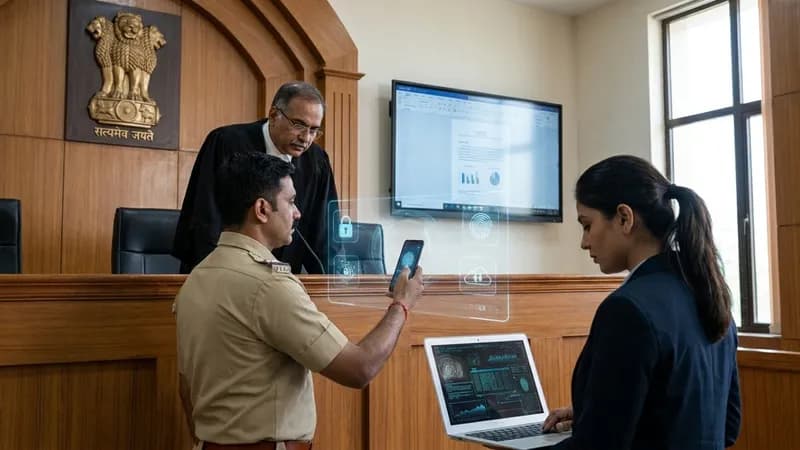
In a major step toward modernizing India's judicial system, the Madhya Pradesh government has officially introduced an e-evidence system that will make the use of digital evidence faster, safer, and more transparent.
The state has also issued the Madhya Pradesh Electronic Recording Rules, 2026, paving the way for courts to accept electronically recorded evidence—including photographs, videos, and audio recordings—without requiring a separate Section 65B certificate in many cases covered under the new framework.
The initiative is considered an important step in implementing the provisions of the Bharatiya Sakshya Adhiniyam, 2023, which replaced the Indian Evidence Act and places greater emphasis on the use of digital evidence in criminal investigations.
Under the new rules, digital evidence collected through the government's authorized electronic recording system will be managed via the Inter-Operable Criminal Justice System (ICJS). The system will be implemented across district courts and subordinate courts throughout Madhya Pradesh, allowing police, forensic laboratories, and courts to securely share digital evidence through a common platform. Officials believe the new process will significantly reduce delays in submitting and verifying electronic evidence.
Using the application, investigating officers can record:
The captured evidence will be uploaded directly to the secure digital system in real time, reducing the chances of tampering or data manipulation.
One of the biggest changes under the new system is the treatment of electronic evidence in court. Traditionally, electronic records often required a Section 65B certificate under the Indian Evidence Act to establish their admissibility. Under the new electronic recording framework, evidence captured through the authorized e-evidence application can be presented before courts without the need for a separate 65B certificate, subject to the applicable provisions of the new legal framework. This is expected to simplify legal procedures and reduce paperwork during criminal investigations.
To ensure authenticity, every digital file uploaded through the system will receive a unique cryptographic hash value, often referred to as a digital fingerprint. If anyone attempts to modify or edit the file after it has been recorded, the system will immediately detect the alteration because the hash value will no longer match the original record. This feature is designed to preserve the integrity of electronic evidence throughout the investigation and trial process.
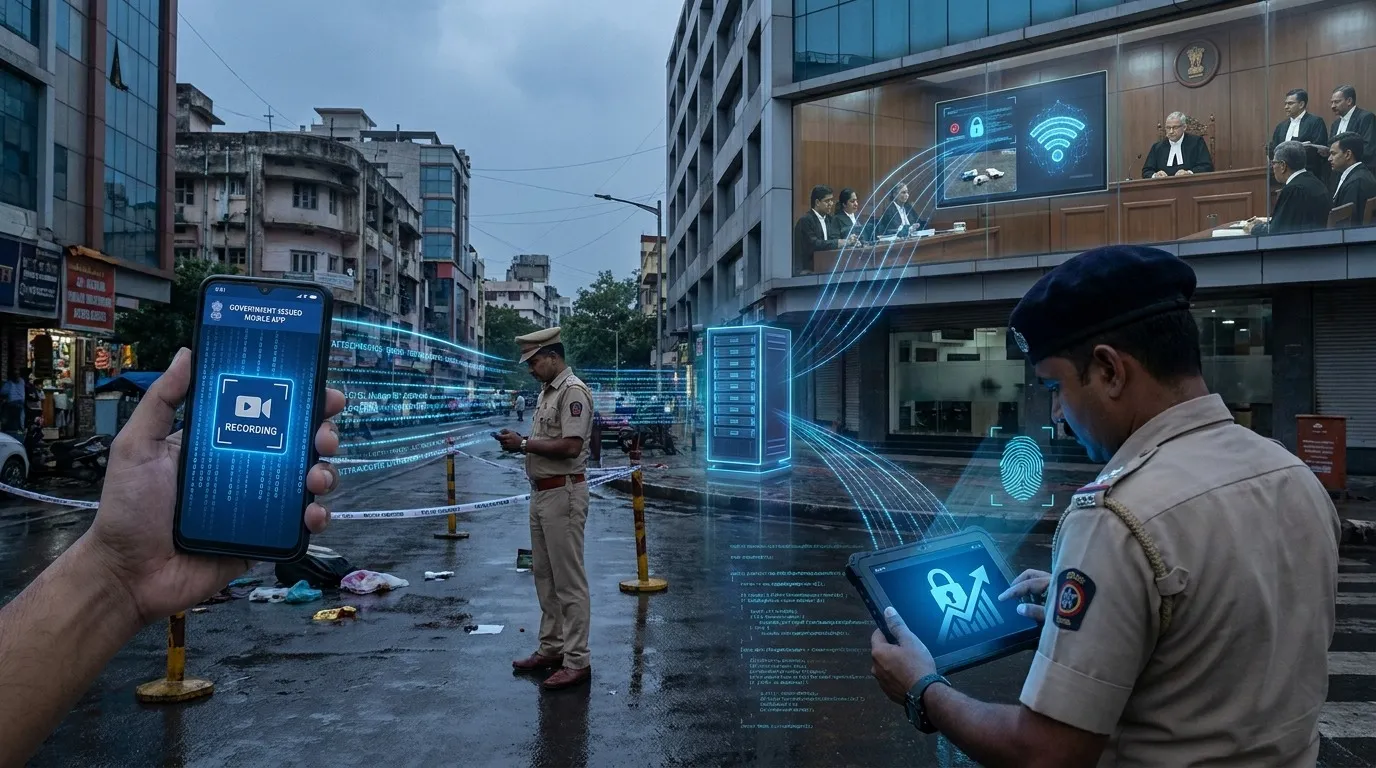
Another major benefit of the new system is that investigators may no longer need to seize a victim's or witness's mobile phone or laptop for extended periods in many cases. Instead, authenticated digital copies can be created and preserved through the official system, allowing the original device to be returned sooner while maintaining the evidentiary value of the data. This is expected to reduce inconvenience for citizens during investigations.
Currently, the transfer of digital evidence between police departments, forensic laboratories, and courts can take several weeks or even months. With the new integrated system, evidence uploaded by investigators will become available to forensic experts and courts within hours. The government expects this digital workflow to speed up criminal investigations and help reduce the backlog of pending cases.
The Madhya Pradesh government has incorporated multiple security safeguards into the e-evidence system.
Key security features include:
Officials have also warned that unauthorized access, uploading fake evidence, or attempting to manipulate digital records could result in strict legal action, including penalties under applicable laws.
The launch of the e-evidence system represents one of the most significant judicial technology reforms undertaken by Madhya Pradesh in recent years. By integrating police, forensic laboratories, and courts through a secure digital platform, the government aims to make criminal investigations more efficient, evidence more reliable, and court proceedings more transparent. As digital evidence becomes increasingly important in modern criminal cases, initiatives like this are expected to strengthen the justice delivery system while reducing procedural delays across the state.