

/
/
Vivo X200T offers flagship-level features with a 120Hz AMOLED display, MediaTek Dimensity 9400+, and a powerful 50MP camera. Priced at ₹59,999, it’s a strong contender in the premium segment
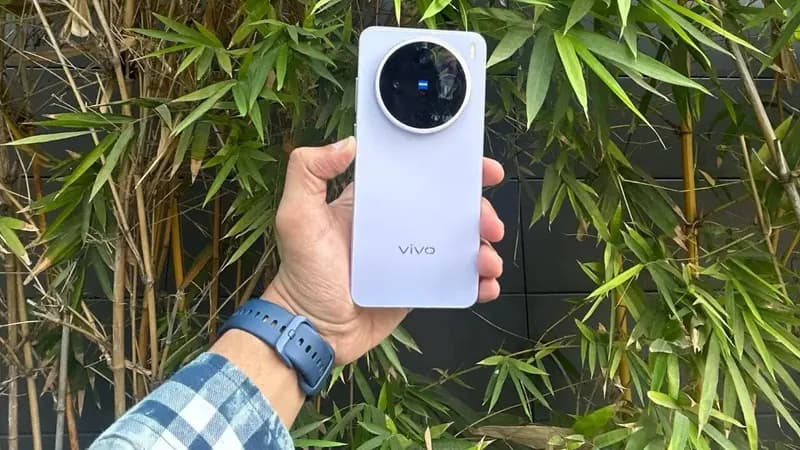
Vivo recently launched the Vivo X200T, a new addition to its flagship X series, just after the launch of the X300 series. The X200T is particularly interesting as it's the first time the brand has introduced a 'T' model in its premium X lineup. Priced at Rs 59,999, it sits between the X200 FE and directly competes with other high-end devices like the Samsung Galaxy S25 FE, Google Pixel 10a, and the upcoming Apple iPhone 17e. But does it justify its price tag and position in the crowded market? Let’s break it down.
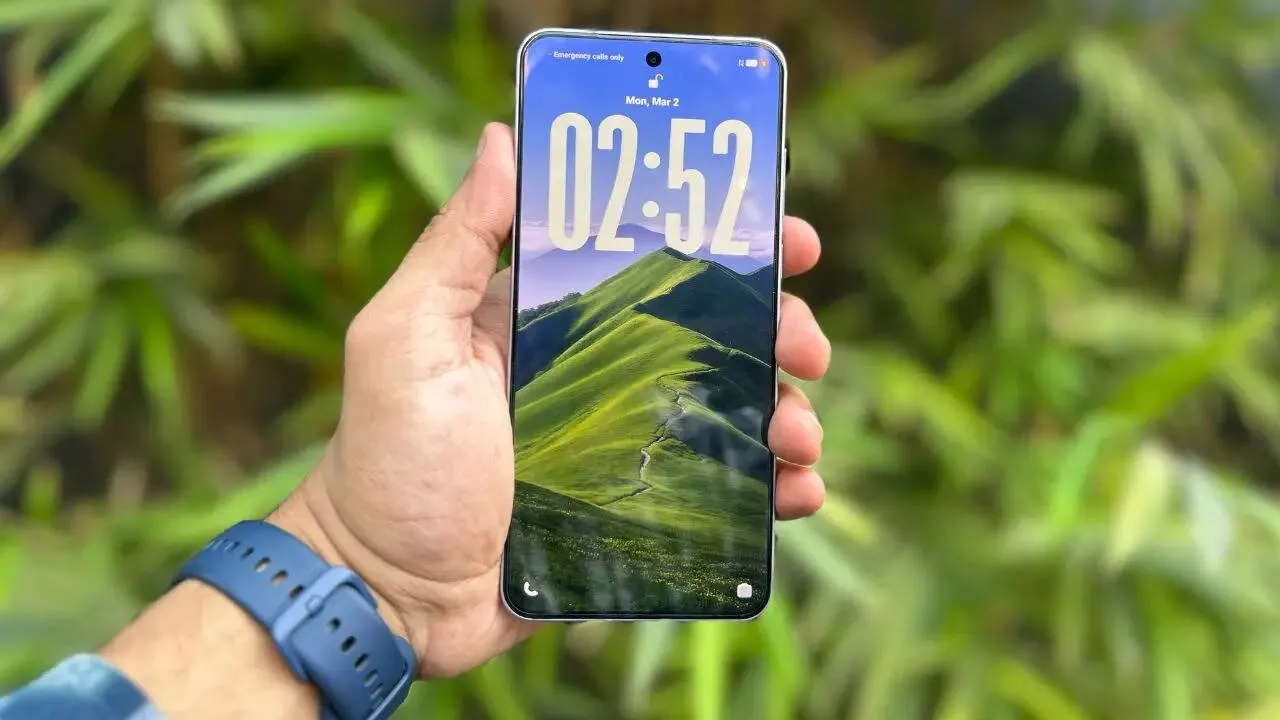
The Vivo X200T doesn't stray far from Vivo's established design language. The phone features flat edges, a circular rear camera island, and a centred punch-hole display — all elements that the X series has become known for. The matte glass back not only feels premium but is also resistant to fingerprints. The Seaside Lilac variant of the X200T, which I reviewed, has a subtle yet distinctive finish that changes depending on the light.
While it may not be as compact as the OnePlus 13s or Vivo X200 FE, it’s still a manageable size at 205g (Stellar Black) or 203g (Seaside Lilac) and a thickness of 7.99mm. The aluminium-alloy frame contributes to its solid, premium in-hand feel. Plus, it’s IP68 and IP69 rated, making it dust and water-resistant.
The 6.67-inch AMOLED display is where things get particularly exciting. With a 2800 × 1260 resolution (1.5K) and 120Hz refresh rate, the screen offers sharp, vibrant colours and deep blacks. It supports a P3 wide colour gamut and delivers 460 PPI. Vivo claims up to 5000 nits peak brightness, and while the display does get bright, it feels controlled, offering good outdoor visibility. The 3D ultrasonic fingerprint scanner is fast, reliable, and accurate, further enhancing the phone’s premium experience.
The Vivo X200T is powered by the MediaTek Dimensity 9400+, built on a 3nm process. It features an octa-core setup (1x 3.73GHz + 3x 3.3GHz + 4x 2.4GHz), paired with 12GB LPDDR5X Ultra RAM and up to 512GB UFS 4.1 storage. The phone also supports up to 12GB expandable RAM, though storage expansion is not possible.
In benchmark tests:
Geekbench 6: 2638 (single-core), 8206 (multi-core)
AnTuTu: 2,735,484
The X200T outperforms the OnePlus 13s and X200 FE, while slightly lagging behind the Vivo X300. In daily usage, the phone feels effortless — apps open instantly, multitasking is smooth, and heavy workloads don’t cause any hiccups. The gaming performance is also impressive. I played BGMI for hours, maintaining 117fps on the lowest settings. The updated liquid cooling system kept the thermals under control, and performance remained stable throughout.
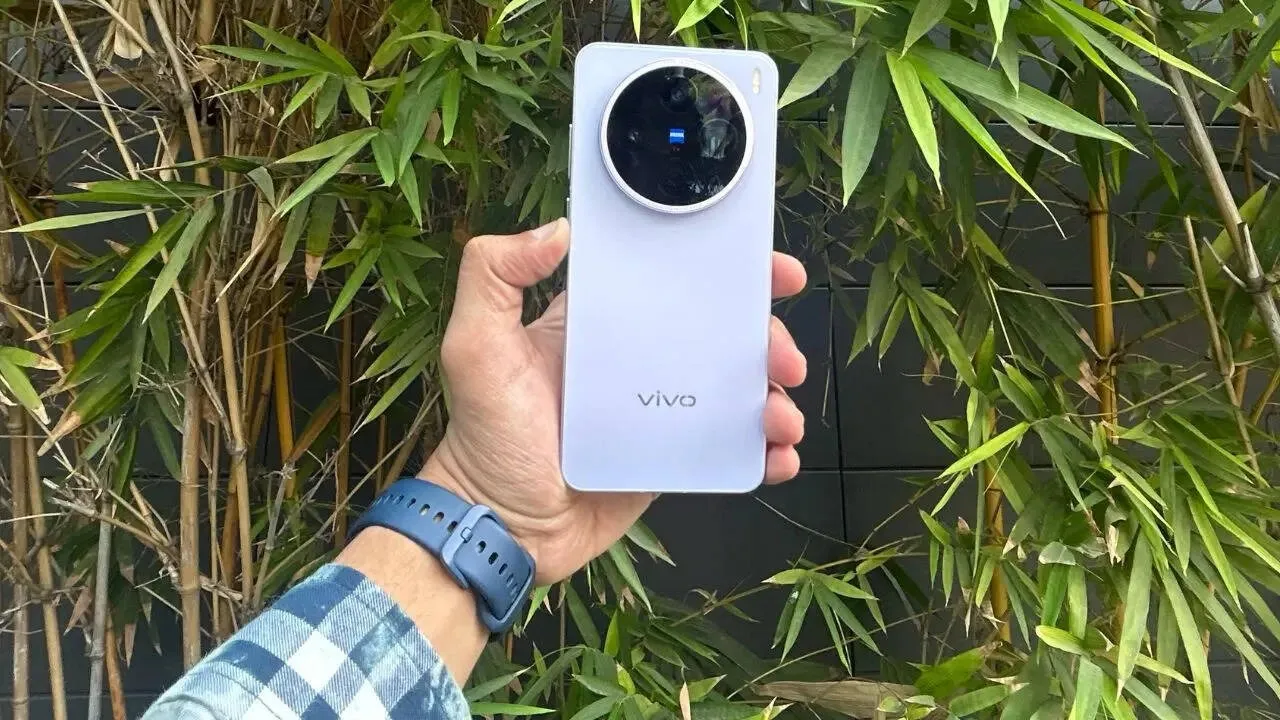
Vivo continues its partnership with ZEISS, and the camera setup is one of the standout features. The triple-camera setup includes:
Main Camera: 50MP (f/1.57) with OIS
Telephoto Camera: 50MP (f/2.57) with 3.5x optical zoom and up to 100x digital zoom
Ultra-wide Camera: 50MP (f/2.0) with 119.4° field of view and autofocus
Front Camera: 32MP (f/2.0)
The main camera delivers flagship-grade detail levels, vibrant colours, strong dynamic range, and excellent highlight handling. However, I noticed that skin tones can sometimes appear oversaturated. Some shots also tend to be underexposed, which may be a concern for some users. Portrait mode applies noticeable beautification, which some may find too processed.
In low-light conditions, the X200T performs admirably. The camera controls noise, keeps highlights intact, and doesn’t over-brighten the image.
The ultra-wide lens doesn’t produce a significant quality drop when switching from the main camera. The colours remain consistent, and the detail is quite impressive, even in tough lighting situations.
The 3.5x optical zoom telephoto lens is a highlight. It delivers natural compression, which is perfect for portrait shots. The 100x digital zoom is available, but the AI sharpening becomes noticeable beyond 20–30x.
The 32MP front camera does a great job with accurate skin tones and sharp facial details. Selfies are clear, even in daylight, with solid clarity.
The 6200mAh battery is robust, even for a flagship-tier phone. The 90W wired charging charges the device from 1% to 100% in about 59 minutes, which is impressively fast. The 40W wireless charging is a nice touch for convenience.
In daily usage, including gaming, navigation, and watching two T20 World Cup matches, the phone comfortably lasts the whole day without anxiety.
The Vivo X200T runs on OriginOS 6, based on Android 16. The software feels more refined than previous versions like Funtouch OS. Animations are smooth, and the system is stable with no crashes during testing. Vivo promises 5 years of OS updates and 7 years of security updates, which is one of the strongest software policies in the segment. In terms of connectivity, you get Wi-Fi 7, Bluetooth 5.4, 5G + 5G Dual SIM Dual Active, NFC, and all the modern essentials.
The Vivo X200T is a strategic bridge between the X200 and X300 series. It doesn't try to disrupt the existing lineup but enhances it with powerful performance, a strong battery, reliable cameras, and long software support. While the camera tuning may divide opinions, particularly when it comes to skin tones and beautification, the overall package is impressive.
At Rs 59,999, the X200T is best suited for users who want raw performance, excellent battery life, and flagship-level cameras without compromising on durability. It offers great value for money, especially if you’re after a solid all-rounder.










