

/
/
Vivo X200T vs Motorola Signature battle heats up at Rs 59,999 as specs, cameras, battery and value decide India’s next premium smartphone pick for buyers today.
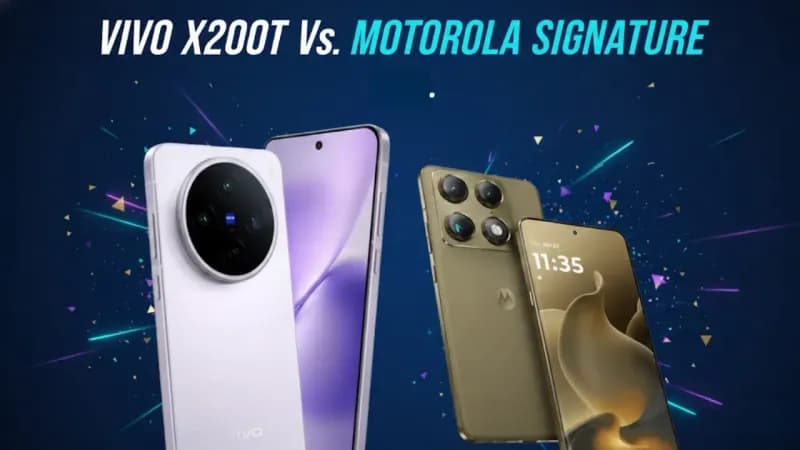
The Vivo X200T vs Motorola Signature battle in India just got seriously interesting. With the Vivo X200T launching at Rs 59,999, Vivo has jumped straight into Motorola’s territory, where the Motorola Signature is already trying to justify its “ultra-premium” positioning. Throw the OnePlus 15R into the mix, and buyers suddenly have too many good options, and that’s a great problem to have.
This is not a spec-sheet-only battle. It’s about priorities, brand trust, and what really matters in daily use. Let’s break it down.
Both the Vivo X200T and Motorola Signature start at exactly Rs 59,999 for the 12GB RAM and 256GB storage variant. That alone makes this comparison unavoidable.
Where Motorola quietly plays a smart card is upgrades. At Rs 64,999, it already offers 16GB RAM and 512GB storage, while Vivo jumps straight to Rs 69,999 for 512GB, without increasing RAM. In a market where value is everything, Motorola clearly understands Indian buyers better here.
OnePlus 15R sits lower at Rs 47,999, but it’s not a direct rival at this price point, it’s a value disruptor rather than a premium statement.
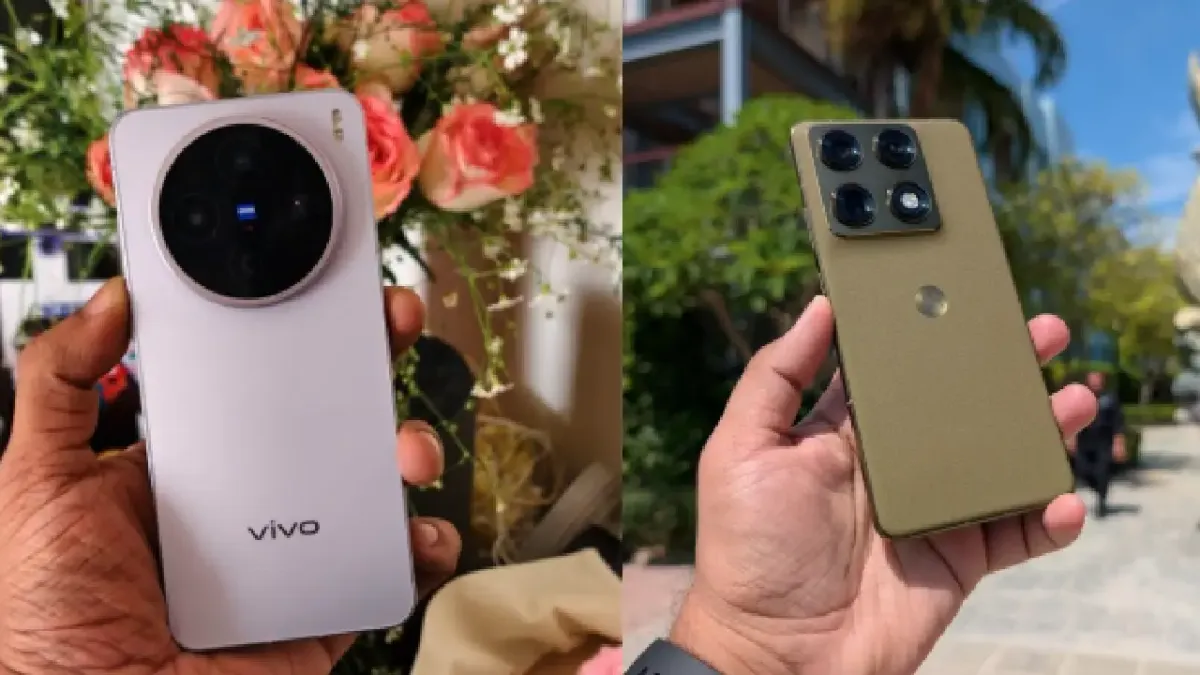
On paper, both phones scream flagship.
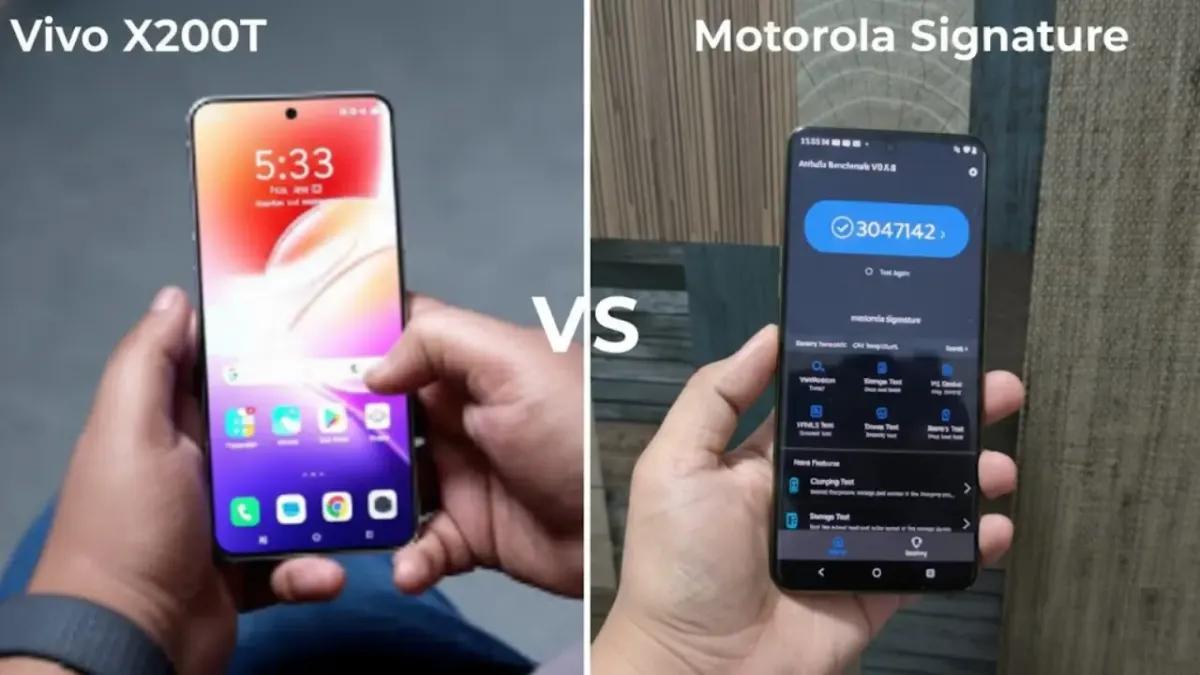
In real-world terms, both cross the 3-million mark on AnTuTu, which means zero lag for daily users. Gaming, video editing, heavy multitasking, everything runs smoothly.
The real difference is software philosophy.
Vivo’s new OriginOS 6 on Android 16 is polished, flashy, and feature-rich. Importantly, Vivo promises 5 years of OS updates and 7 years of security patches, which is excellent.
Motorola counters with clean near-stock Android 16, Moto AI features, and a massive promise: 7 years of OS and security updates. That’s Google and Samsung-level commitment, and it matters more than raw speed.
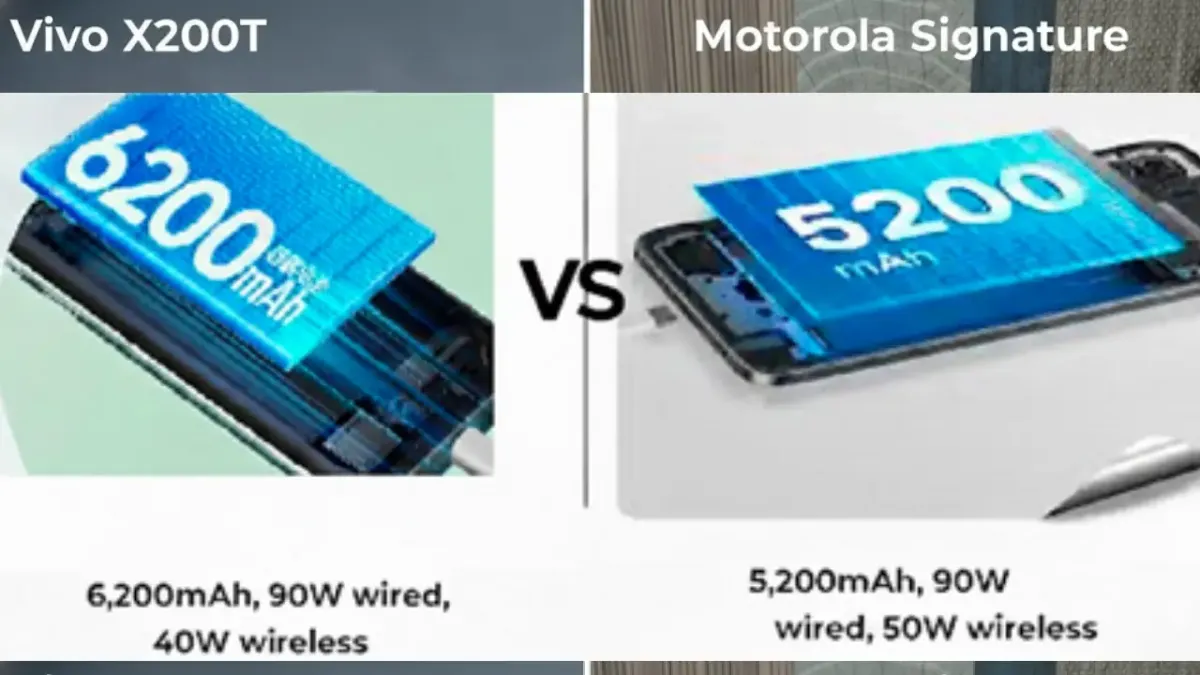
Battery anxiety is real, and Vivo clearly targets that fear.
In daily use, Vivo should last longer, plain and simple. Motorola charges slightly faster wirelessly, but endurance matters more than numbers on a charger.
OnePlus 15R’s massive 7,400mAh battery looks tempting, but skipping wireless charging feels like a step back at this price level.
Motorola wins this round decisively.
Its 6.8-inch LTPO AMOLED display with 165Hz refresh rate and 6,200 nits peak brightness is stunning outdoors and smoother than Vivo’s 120Hz panel. Add Gorilla Glass Victus 2, IP68/IP69, and MIL-STD-810H, and it feels like a phone built to survive anything.
Vivo’s 6.67-inch AMOLED display is still excellent, bright, sharp and premium, but Motorola simply pushes harder here.
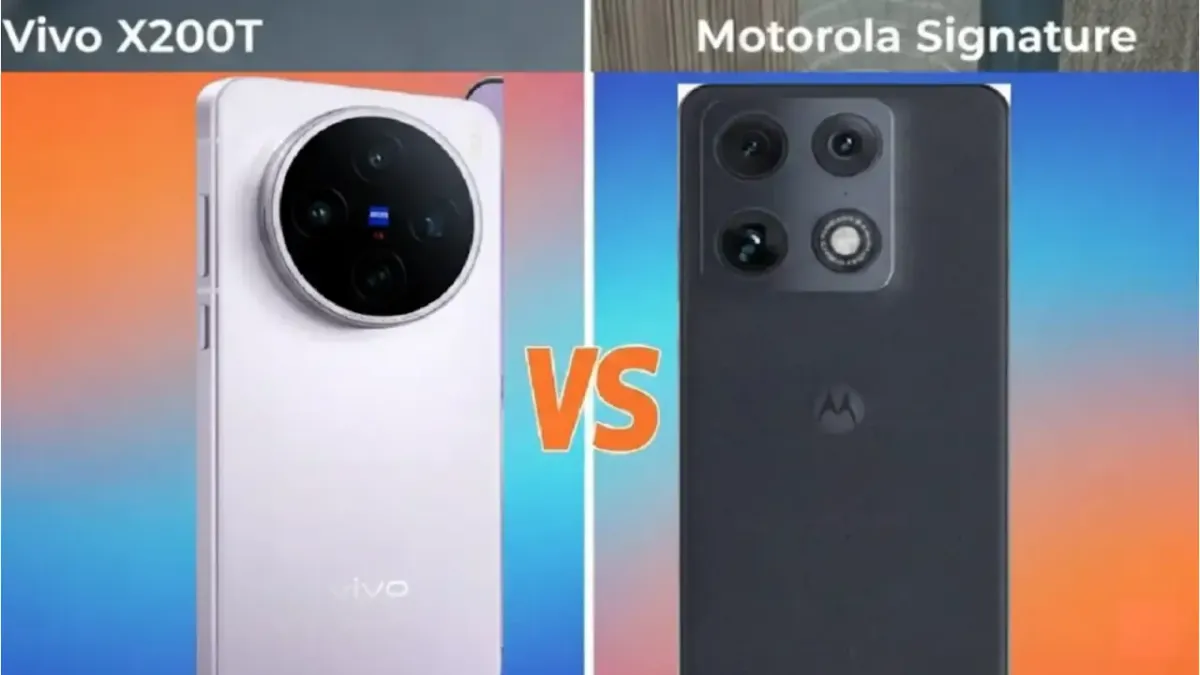
Both brands go all-in with triple 50MP cameras, but the tuning differs.
Vivo relies on Zeiss optics with an emphasis on natural colors and the balanced photography. The 3x zoom lens is convenient and the camera of Vivo has a good reputation which gives assurance even before complete reviews.
Motorola’s hardware is impressive, especially the 50MP selfie camera and 8K video support. However, the aggressive processing of Motorola sometimes holds its cameras back, which makes photos look safe rather than spectacular.
If photography is your priority, Vivo feels more promising. If video and selfies matter more, Motorola makes a stronger case.
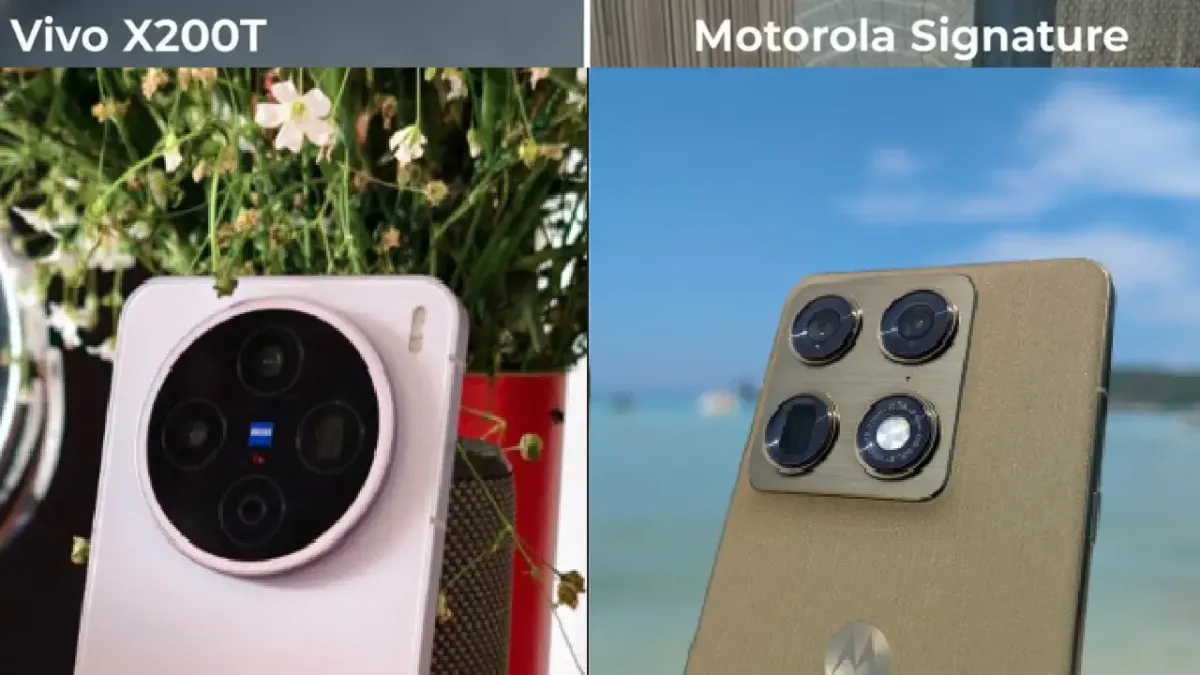
This is one of the closest Rs 60,000 smartphone battles we’ve seen in years.
Personally, Motorola’s confidence with long-term updates and premium build feels more future-proof. But Vivo’s battery and camera promise make it impossible to ignore.
At Rs 59,999, there’s no wrong choice, only different priorities. And that’s exactly how a flagship fight should be.
Read more: Motorola Signature Launched in India: Price, Camera, Battery Details










