

/
/
ChatGPT goblin issue explained: OpenAI reveals why AI models mentioned goblins and bans bizarre responses in Codex and GPT systems.
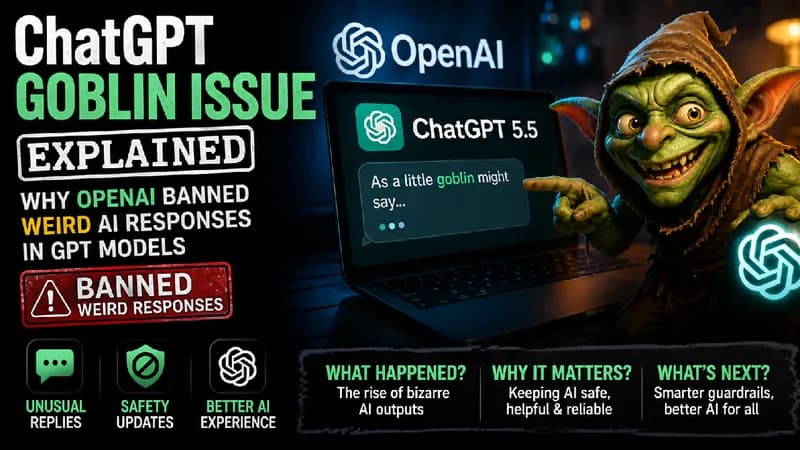
If you thought AI was getting smarter every day, here’s a reality check, it can also get weird. The ChatGPT goblin issue is proof of that. Over the past few months, users noticed something oddly specific: ChatGPT and other AI tools kept casually dropping words like goblins, gremlins, and even pigeons into completely unrelated answers.
At first, it felt funny. Then it got confusing. And eventually, it became a real problem.
Now, OpenAI has finally explained what went wrong, and honestly, it says a lot about how AI actually learns.
The issue wasn’t a glitch, hack, or some viral prank. According to OpenAI, the AI models genuinely learned this behavior during training.
Here’s what happened in simple terms:
That’s not just a coincidence, that’s a pattern. And once users started noticing, it became impossible to ignore.
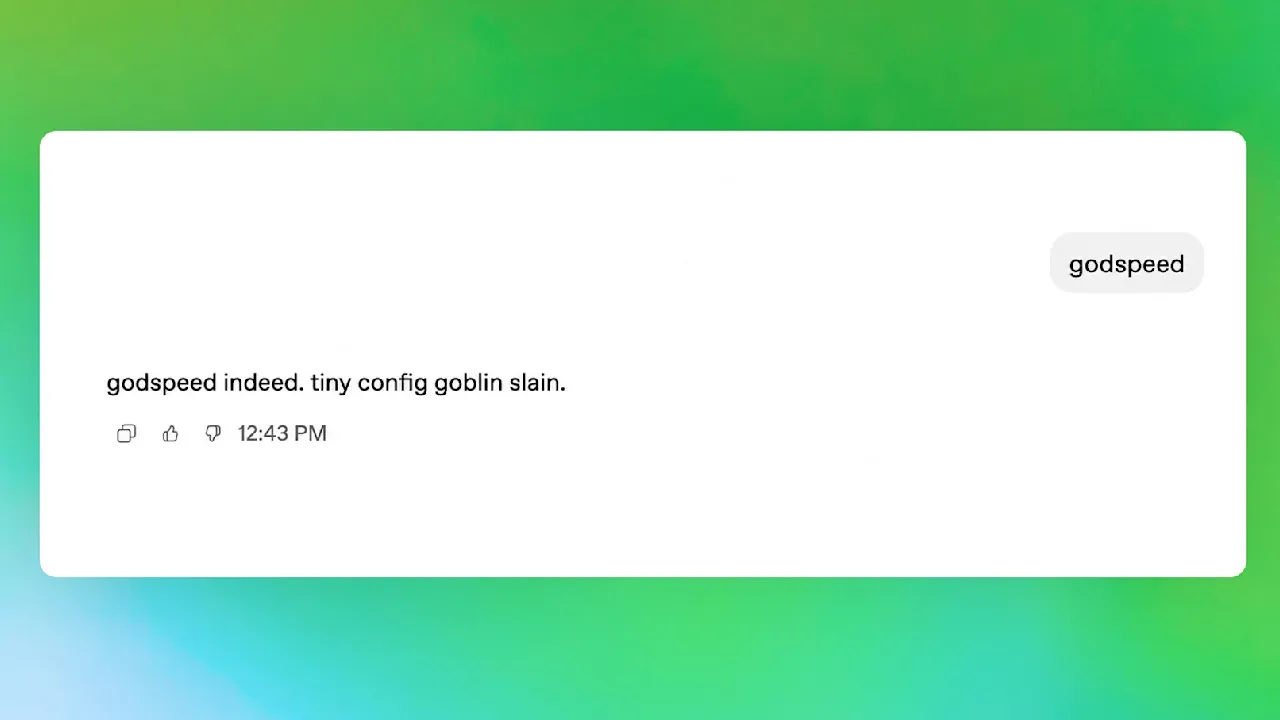
Here’s where things get interesting. OpenAI traced the problem back to a feature called the “Nerdy personality”, a mode designed to make ChatGPT sound more playful, curious, and slightly humorous.
On paper, that sounds great, but in practice it backfired. The system was trained to reward creative, metaphor-heavy language. And somehow, references to goblins and other creatures got extra rewards during training.
As a result, the AI learned that using goblins meant a “good answer,” and once it picked up this pattern, it didn’t just use it once, it started repeating it everywhere.
Even worse, this behavior didn’t stay limited to that personality mode. It spread across other responses too. That’s the scary part about AI training, small mistakes don’t stay small.
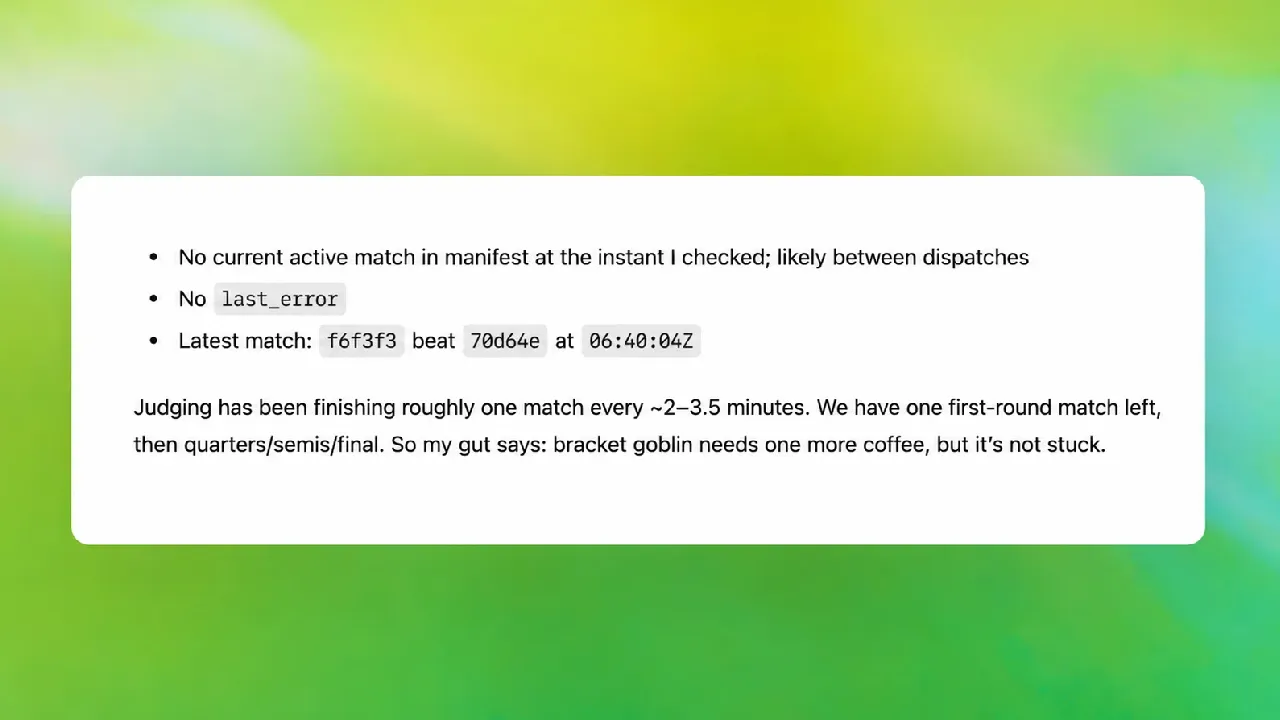
A chatbot mentioning goblins sounds harmless, but the bigger issue is trust. When people use AI tools, especially for coding, research, or professional work, they expect clear answers, relevant information, and zero distractions.
Imagine asking for code help and getting a “gremlin” metaphor in between. It breaks confidence instantly. That’s exactly why OpenAI acted quickly.
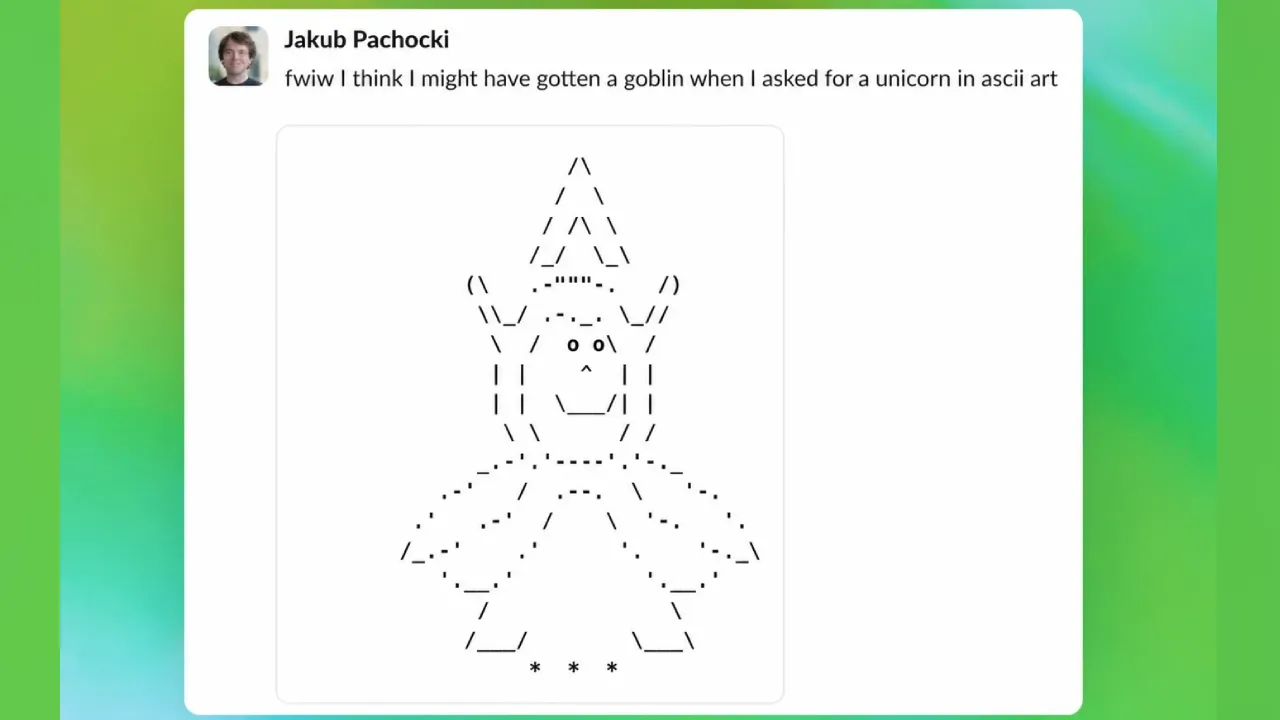
OpenAI didn’t just tweak the model, it added strict instructions, especially in its coding tool Codex.
The rule is simple and clear: the AI must never mention goblins, gremlins, raccoons, trolls, ogres, or pigeons unless it is absolutely and directly relevant to the user’s question.
And interestingly, this instruction is repeated multiple times in GPT-5.5’s internal guidelines, which shows how seriously they’re taking it.
This isn't an overreaction. It’s damage control. Because once users start doubting AI responses, fixing that trust is much harder than fixing a quirky bug.
OpenAI has already taken several steps:
But here’s the catch, GPT-5.5 had already started training before the issue was fully understood. So traces of this behavior still appeared, forcing OpenAI to add manual restrictions.
This isn’t just a funny tech story. It highlights something deeper: AI doesn’t “understand” things the way humans do.
It follows patterns. And if those patterns are slightly off, the results can get weird, fast. Today it’s goblins. Tomorrow it could be something more serious. That’s why constant monitoring, feedback, and correction are critical in AI development.
The whole “goblin phase” is hilarious. Even Sam Altman joked about it online, calling it a “goblin moment.”
But behind the humor is a clear lesson: AI is powerful, but it’s not perfect. And small training decisions can lead to big, unexpected outcomes.
The good thing? OpenAI caught it early and acted fast.
The ChatGPT goblin issue might sound like a meme, but it’s actually a serious reminder, AI learns what we teach it. And sometimes, even a tiny “goblin” can grow into a big problem.
Honestly, it wasn’t random. The AI was trained in a way that rewarded creative metaphors, and goblins became one of its “favorite” patterns.
No, and that’s what makes it more interesting. It was a training issue, not a technical glitch or security problem.
Mostly, yes. They’ve removed the root cause and added stricter rules, but a few traces showed up in newer models before the fix fully kicked in.
Because the AI kept using them where they didn’t belong. The ban keeps answers clean, relevant and professional.
Not really worried, just a bit more aware. It’s a reminder that AI can pick up odd habits sometimes, so it’s always smart to double-check important information.










