/
/
Balen Shah becomes Nepal prime minister after youth-led protests and election sweep. The former rapper and Kathmandu mayor now leads a new era in Nepali politics.
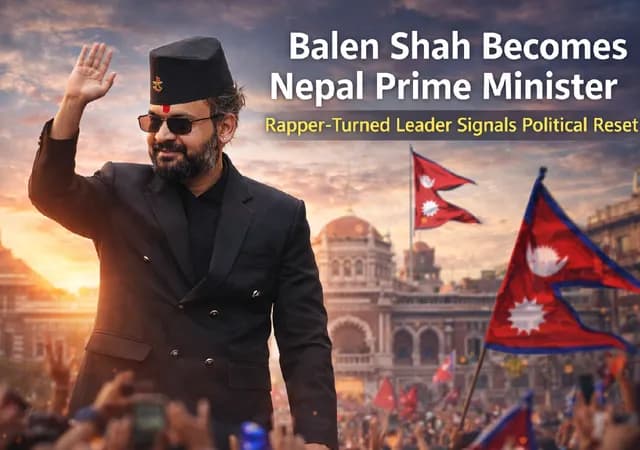
Nepal has just seen one of the most strange political events in recent history. A 35-year-old rapper, engineer, and former mayor of the city has become the country's PM.
The rise of Balen Shah as Nepal's Prime Minister marks a big change in the politics of the Himalayan country. For a long time, the same powerful parties and leaders ran Nepal's government. But the latest election shows voters, especially young voters, are ready to tear up that script.
And honestly, it’s hard not to see why.
After years of political instability, corruption scandals, and economic frustration, many Nepalis were desperate for someone who looked different from the traditional political class. Shah, with his rap lyrics and outsider image, offered exactly that.
Before entering politics, Shah was better known in Nepal’s underground hip-hop scene.
Born in Kathmandu in 1990, he studied civil engineering at Himalayan WhiteHouse International College and later completed a master’s degree in structural engineering in India. But while studying, he was already building a following online through rap music.
His songs weren’t typical entertainment tracks.
They were openly political.
Tracks like “Sadak Balak” and “Balidan” criticized corruption, inequality, and the frustration of young Nepalis who felt locked out of opportunity. Those themes later became central to the political movement that helped him rise.
Looking back, it seems like the story of Balen Shah, the Prime Minister of Nepal, was always going to happen. The anger he showed in music eventually turned into a national political debate.
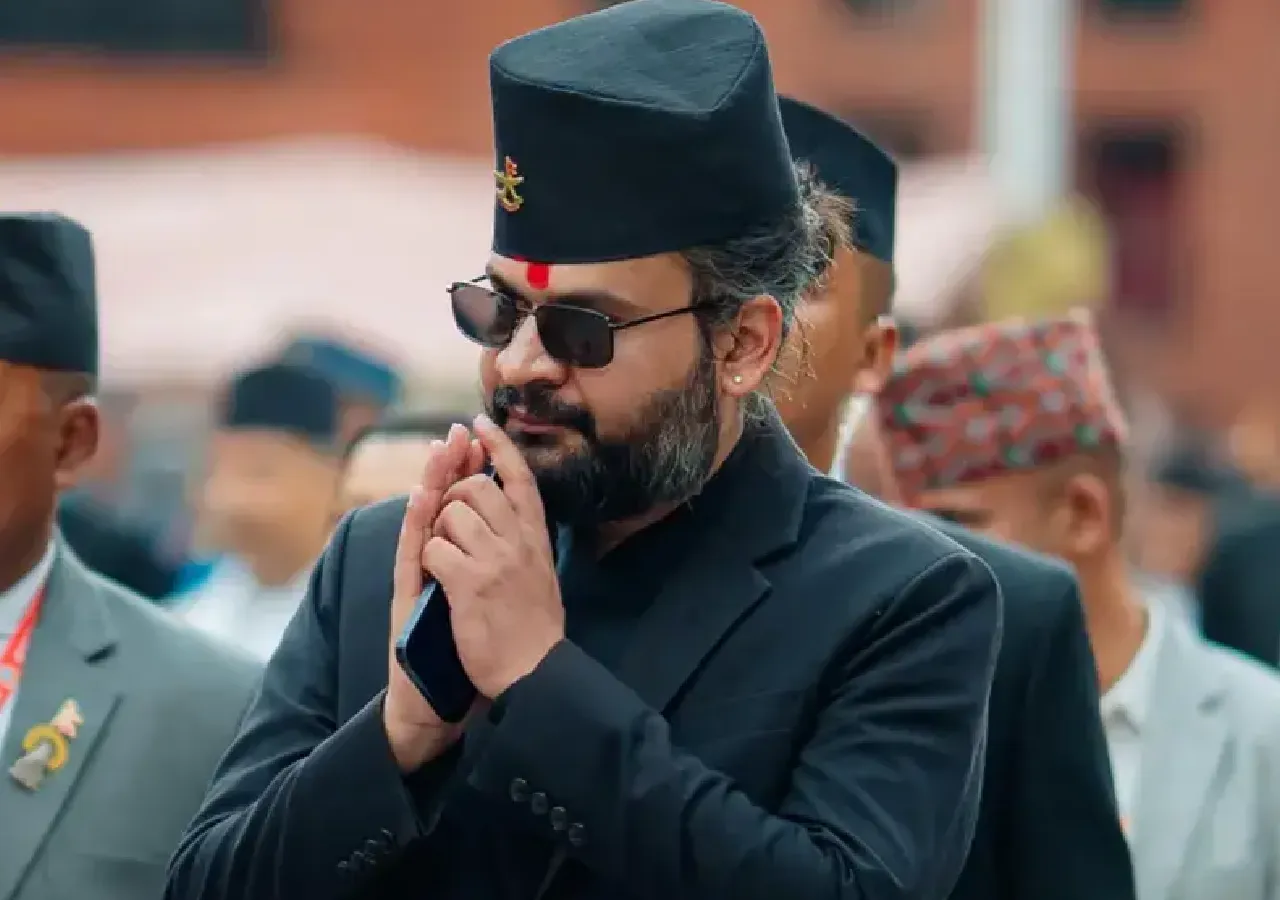
Shah first entered politics in 2022 by running as an independent candidate for Kathmandu mayor.
Most political experts thought of him as a symbolic challenger. Instead, he shocked the political establishment by winning the election with about 38% of the vote.
He was also known to conduct the city in a direct and confrontational manner as the mayor.
His government was aimed at imposing building codes, addressing waste management in Kathmandu and communicating with the citizens directly through social media.
Not all his moves like the campaign against street vendors were popular. But his fans said that it was a sign that he was ready to challenge established systems.
That reputation helped Balen Shah Nepal Prime Minister get support from all over the country during the 2026 election.
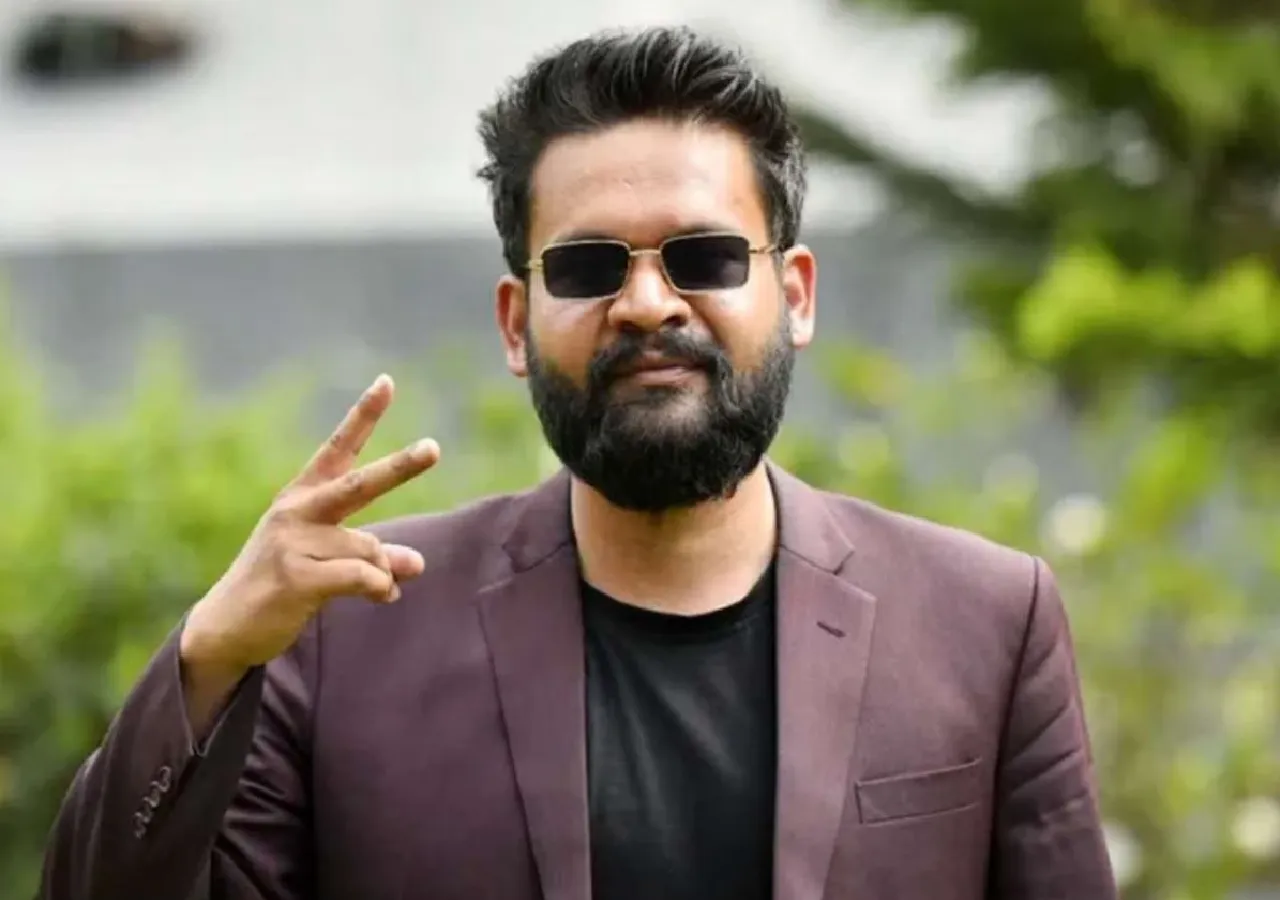
Nepal’s political transformation didn’t happen overnight.
In 2025, there were protests all over the country after the government tried to ban social media platforms. Quickly, the protests turned into a bigger movement against corruption and a lack of progress in politics.
Protests turned violent when protesters and police clashed, and Prime Minister K. P. Sharma Oli eventually resigned.
The protests were largely fueled by the discontent of young Nepalis, weary of the entrenched political leadership that had persisted for years.
Shah grew to be one of the most popular personalities of the generation. He appeared to be very different from other politicians because of his outsider identity as an engineer, rapper and independent mayor.
By March 2026, when elections were to be held, Balen Shah N could no longer be stopped.
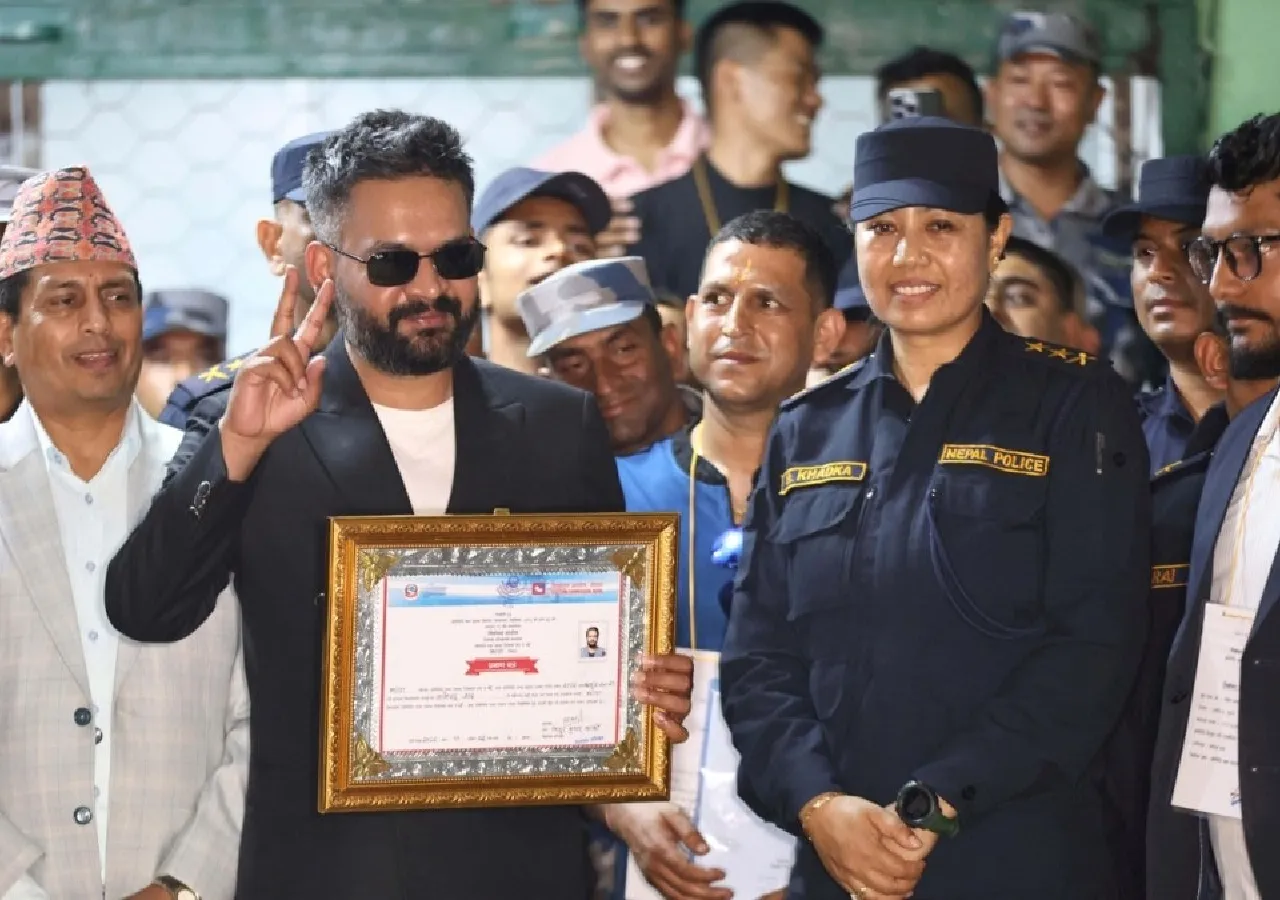
Shah contested the national election with the Rastriya Swatantra Party (RSP), a relatively new anti-establishment party.
The results stunned observers.
Key election outcomes included:
Political analysts described the result as a “political earthquake” in Nepal.
For many voters, electing Balen Shah Nepal Prime Minister represented a clean break from the past.
Shah’s victory reflects a deeper generational shift.
Nepal has a young population, and millions of them leave the country to work because there aren't many jobs there. Shah's rise was helped by people's anger over unemployment, corruption, and slow economic growth.
But governing a country is very different from winning an election.
Shah faces several immediate challenges:
Experts say the expectations on him are enormous.
And that’s where things get interesting.
It's not just about one person getting power in the story of Balen Shah, the Prime Minister of Nepal. It's about a country trying out a new style of leading.
Nepal’s voters have made their choice loud and clear: they want change.
Now the real test begins.