/
/
Social media companies face major US trials over child mental health harms, addiction claims, and safety failures that could reshape tech laws and platforms.
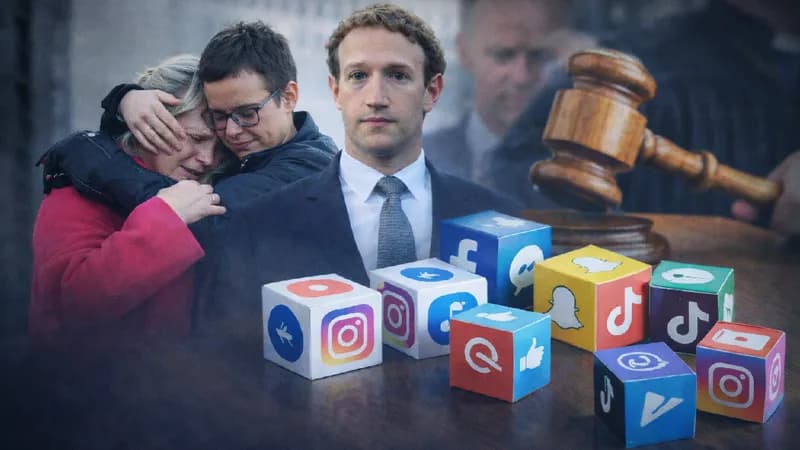
For years, parents warned. Lawmakers held hearings. Whistleblowers leaked internal documents. Now, finally, social media companies are being forced to answer tough questions, not in Congress, but in courtrooms.
From California to New Mexico, some of the biggest tech giants are facing federal and state trials over allegations that their platforms harmed children’s mental health. And this time, it’s not just public outrage. It’s legal accountability.
The stakes? Massive.
Major social media companies including Meta, TikTok and YouTube are now defendants in cases brought by families, school districts, and government agencies.
Two key trials are already underway:
Los Angeles, California
New Mexico
More cases are scheduled, including a major multidistrict litigation in Oakland this summer.
The lawsuits claim these platforms deliberately designed addictive features, failed to protect minors from sexual predators, and exposed young users to content linked to depression, eating disorders, and suicide.
Plaintiffs argue this is not about free speech. It’s about harmful product design.
And honestly? That distinction could change everything.
At the center of the Los Angeles case is a 20-year-old woman identified as “KGM.” Her lawsuit has been selected as a bellwether, essentially a test case that could influence thousands of similar claims.
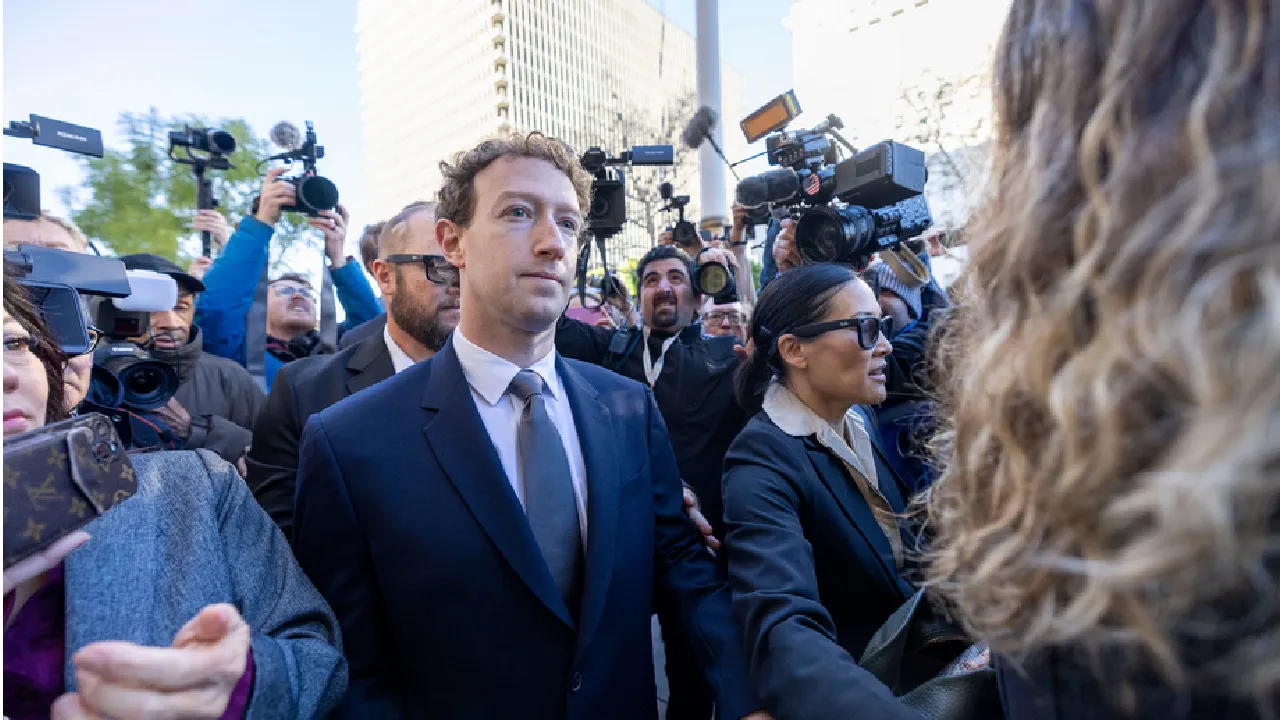
During testimony, Mark Zuckerberg justified the policies of Meta, particularly around age verification. He reiterated that children under 13 should not be on the platform as well as that Meta attempts to remove underage users.
But when asked whether people use addictive products more frequently, his hesitation was noticeable.
The plaintiffs’ argument is blunt: social media companies knew their platforms triggered dopamine-driven engagement loops and prioritized growth over child safety.
That’s a serious accusation, and it echoes something familiar.
Legal experts are openly comparing these cases to lawsuits against tobacco companies and opioid manufacturers.
The core claim? Negligence.
Lawyers argue that just like cigarette makers and pharmaceutical firms, social media companies understood the risks, downplayed them, and continued aggressive expansion.
One attorney involved in the case previously worked on opioid litigation and says the science behind addiction is “surprisingly similar.”
That comparison alone should make tech executives nervous.

In New Mexico, Attorney General Raul Torrez sued Meta after investigators created fake child accounts and documented sexual solicitations.
The state is demanding for better safeguards such as stricter age verification systems, significant changes to platform algorithms,more vigorous actions on bad actors, and closer monitoring of encrypted messaging features so that children can be safer on the internet.
Prosecutors allege that Meta lied about the safety of its platforms while designing algorithms to maximize engagement.
Meta, in its turn, claims that encryption ensures privacy and that it actively eliminates harmful content.
However, critics opine this response is out of point.
If safety systems fail again and again, are they really working?
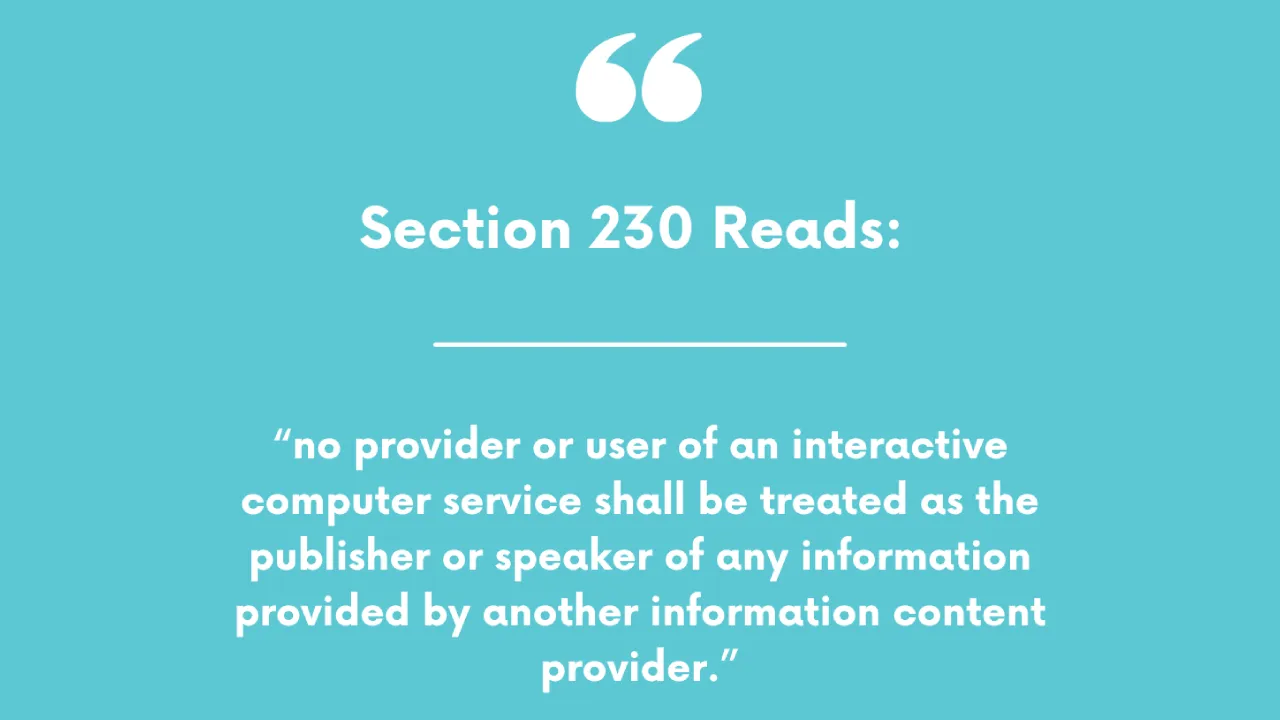
Section 230 of the 1996 Communications Decency Act is one of the reasons why social media companies have been able to avoid liability over the years. It shields the platforms against user-generated content.
However, these lawsuits take a different angle.
They focus on product design, algorithms, engagement systems, recommendation engines, rather than individual posts.
If courts agree that harmful design choices caused damage, it could weaken one of Big Tech’s strongest legal defenses.
That would be historic.
This summer, six public school districts will take social media companies to trial before Judge Yvonne Gonzalez Rogers in Oakland.
Their argument centers on rising student mental health crises, increased anxiety, depression, self-harm, and the burden placed on schools.
They claim platforms targeted developing brains for profit.
That’s a powerful narrative.
And juries tend to listen carefully when children are involved.
While Europe and Australia have moved aggressively to regulate tech platforms, US legislation has lagged.
Parents, educators, and child safety advocates say Congress has failed to act decisively.
Industry lobbying remains strong. Enforcement remains fragmented.
Which means the courts may become the real battleground.
Let’s be clear.
Not all heavy social media use equals addiction. And not every mental health issue can be blamed on an app.
But dismissing the mounting evidence entirely? That feels irresponsible.
When grieving parents say platforms played a role in their child’s suicide, we owe them serious examination, not corporate talking points.
If social media companies truly did prioritize engagement metrics over child wellbeing, then accountability is overdue.
These trials could take years. Appeals will follow. Settlements may come.
But something has already changed.
For the first time, tech giants aren’t just defending themselves in press releases or Senate hearings.
They’re defending themselves before juries.
And that’s a reckoning no algorithm can control.