/
/
Swati Maliwal joins BJP after leaving AAP, says she joined by choice and praised PM Modi, Amit Shah while attacking Arvind Kejriwal.
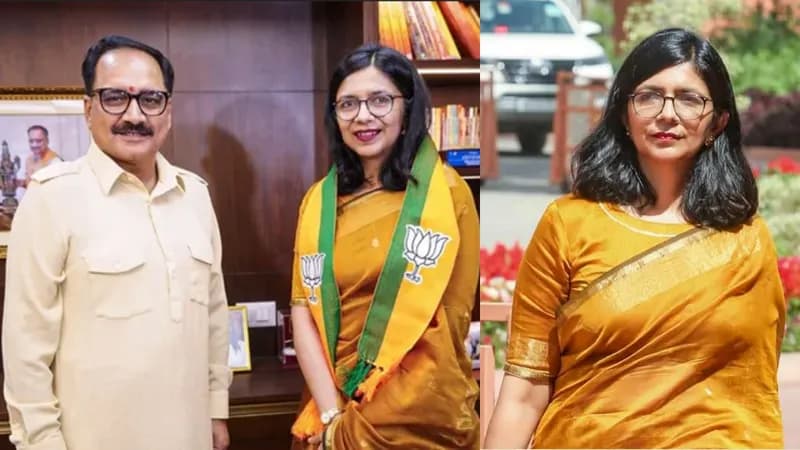
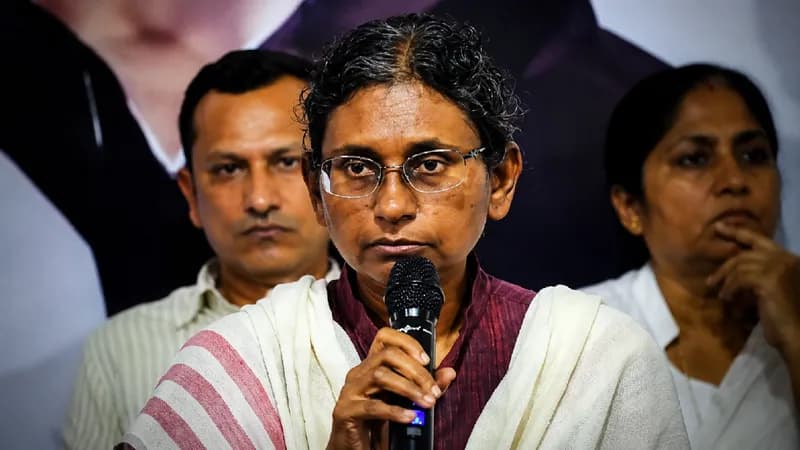
In a major political development that could shake up Delhi politics, Swati Maliwal joins BJP after ending her long association with the Aam Aadmi Party (AAP). The Rajya Sabha MP made it clear that her decision was not taken under pressure, but out of belief in the leadership of Prime Minister Narendra Modi and Home Minister Amit Shah.
Her move is significant because Maliwal was once seen as one of the prominent faces linked to AAP’s rise. Now, she has crossed over to the BJP camp and is openly attacking her former party leadership.
Speaking after formally joining the Bharatiya Janata Party, Swati Maliwal said she had been watching BJP’s work for years and was deeply influenced by the decisions taken for the country.
She said she did not join the party because of any compulsion. Instead, she described the moment as emotional and important, adding that she felt welcomed like family.
That statement matters. In politics, leaders often change sides quietly. Maliwal did the opposite, she framed her switch as ideological and deliberate.
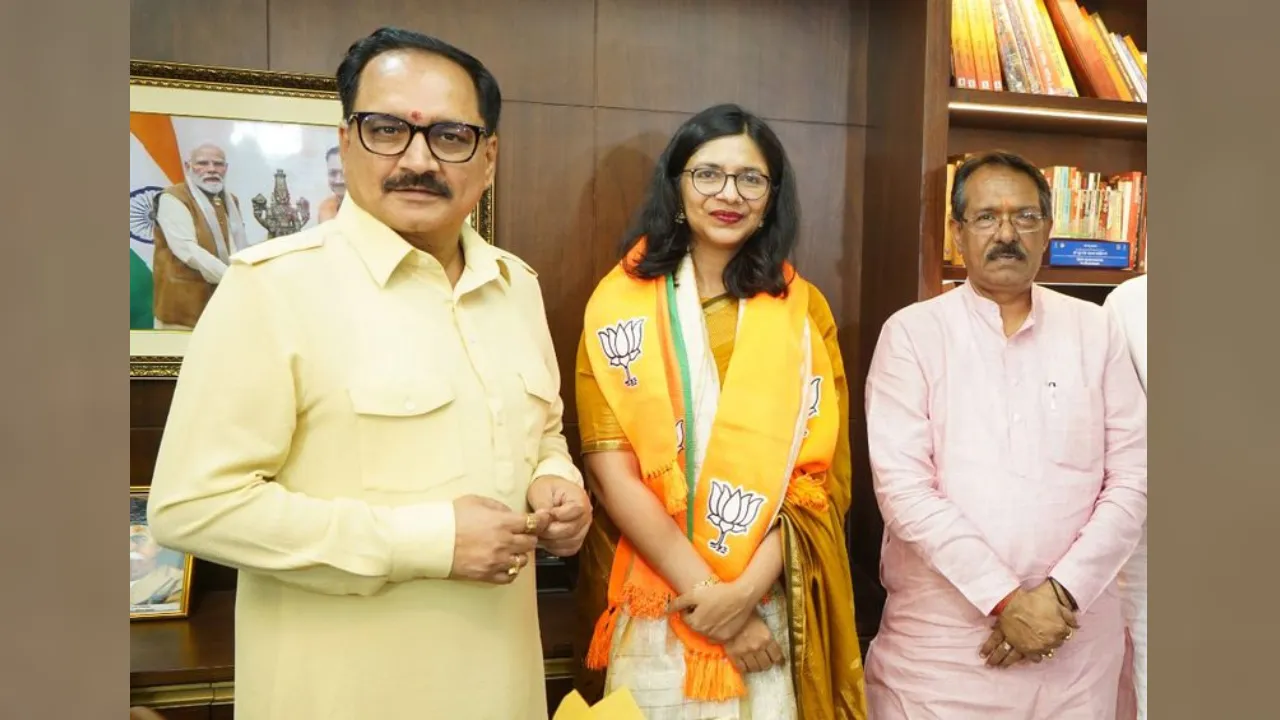
Maliwal strongly praised PM Modi and Amit Shah, saying their leadership inspired her. She highlighted what she called historic decisions taken for national development and women’s empowerment.
She also urged people interested in “constructive politics” to consider joining the BJP. That line appears carefully chosen, it positions her new role not as personal survival, but as a shift toward governance-focused politics.
Whether voters accept that narrative is another question, but politically, it is a smart message.
Along with joining BJP, Maliwal launched a direct attack on Arvind Kejriwal and the AAP leadership.
She accused the party of corruption, poor governance and intimidation. She also repeated serious allegations that after raising her voice in the past, she faced pressure and was sidelined.
Maliwal said she was not allowed to speak in Parliament for two years and called that deeply shameful. She also alleged that anti-women politics had become normal inside the party.
This is where the story becomes bigger than one leader switching parties. It signals that the internal battle inside AAP is no longer hidden.
Delhi politics has always been personality-driven and leaving a major party often has a lot of meaning. Maliwal is not just another name, she has been associated with women’s rights issues and public campaigns for years.
Her exit from AAP and entry into BJP gives the ruling party a recognisable face with governance and activism credentials. It also puts fresh pressure on AAP at a time when the party is already facing political challenges.
This is more damaging for AAP’s image than for its numbers. Voters notice when former insiders turn into sharp critics.
If BJP uses her effectively, Maliwal could become a visible voice on:
She already has public recognition, and in politics that matters more than many party workers admit.
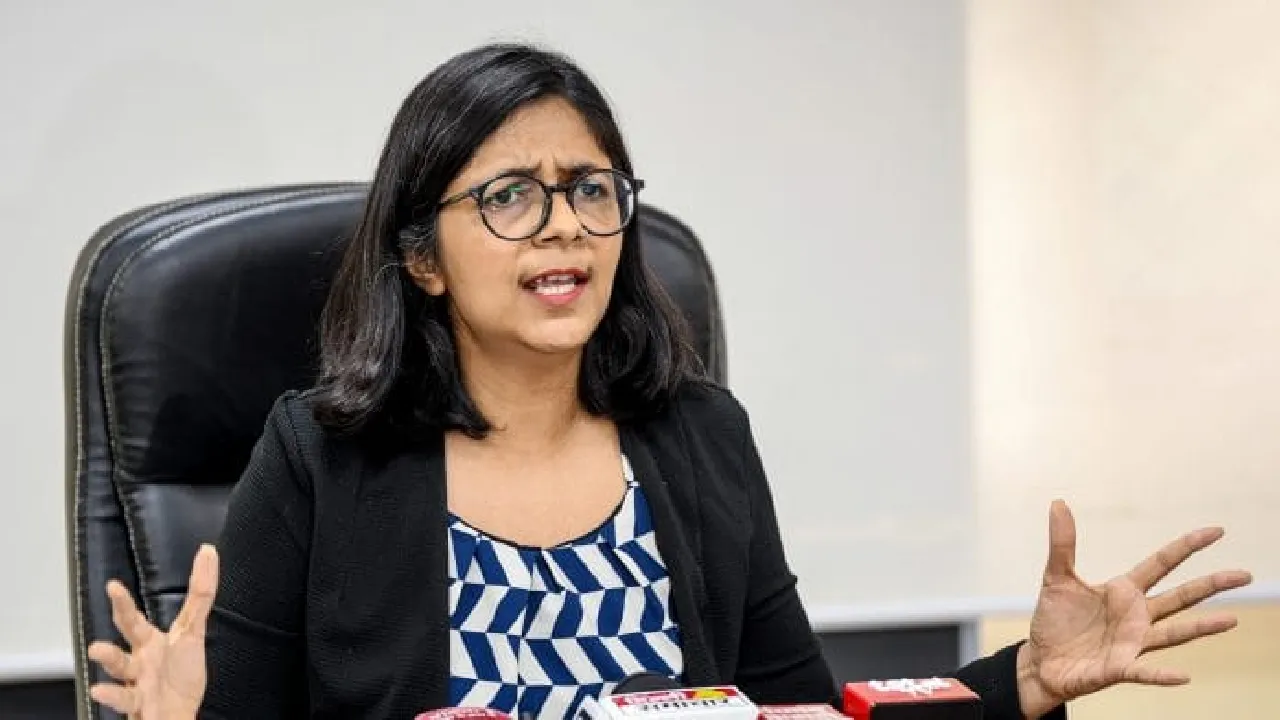
Reactions are divided, as expected. BJP supporters are celebrating the move as proof that even former rivals trust Modi’s leadership. AAP supporters, meanwhile, are questioning her timing and motives.
That debate will continue, but one fact is clear: this is not a routine party-switch headline. It has the potential to influence Delhi’s political conversation in the months ahead. If more leaders follow the same path, the pressure on AAP could rise sharply.
The headline is simple: Swati Maliwal joins BJP, but the political meaning runs deeper. She didn’t just change parties, she brought a fresh round of allegations, sharp messaging and new momentum into Delhi politics. Now the real test begins. Can she convert headlines into influence? And can BJP turn this symbolic win into electoral advantage? We’ll know soon enough.