Nora Fatehi Song Banned: Parliament Row Turns Into Big Action
Government bans Nora Fatehi song Sarke Chunar over obscene lyrics, Ashwini Vaishnaw cites limits of free speech and safety concerns online amid backlash India


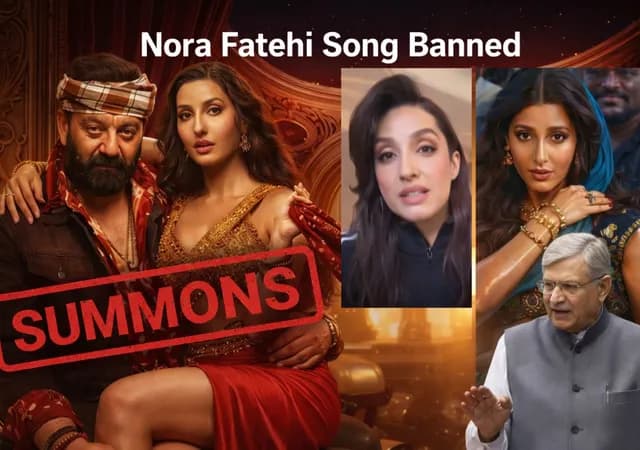
The Nora Fatehi Song controversy has officially reached its peak, and this time it's not just social media outrage. The government has stepped in and banned the viral song "Sarke Chunar Teri Sarke," which means it can't be found online anymore.
What started as just another dance number quickly turned into a full-blown national debate. And the way things unfolded, this outcome was almost inevitable.
What Exactly Happened?
The song, featured in the upcoming Kannada film KD: The Devil, was released on March 15. Within hours, it started trending, but for all the wrong reasons.
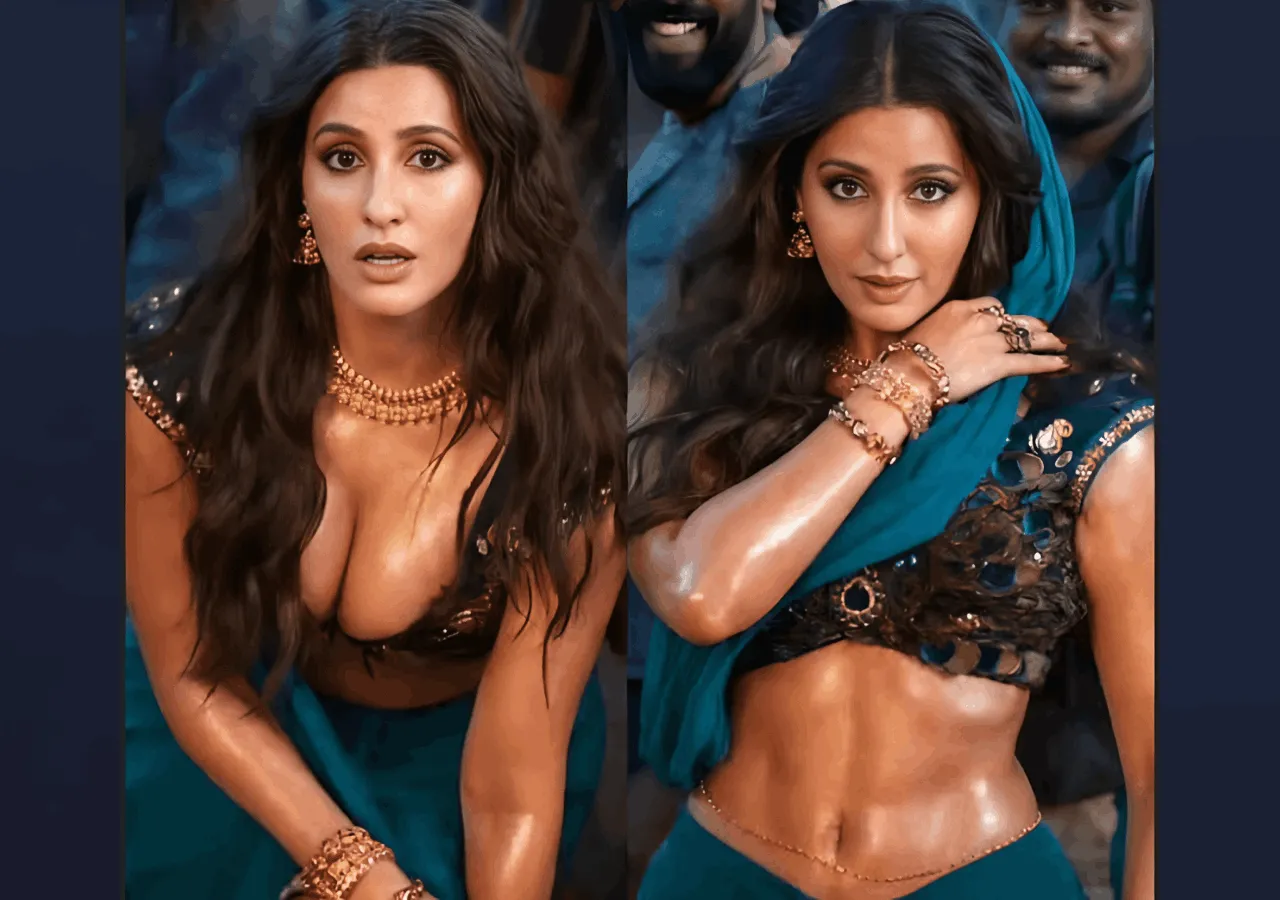
People on all platforms quickly criticised the song for its vulgar, double-meaning lyrics, clear objectification of women, and visuals that many thought went too far in terms of basic decency.
Soon, complaints made their way to the authorities, and the makers were said to have received a notice from the National Human Rights Commission (NHRC).
By March 18, the issue had escalated to Parliament.
Government’s Clear Stand on the Issue
Union Information and Broadcasting Minister Ashwini Vaishnaw confirmed in the Lok Sabha that the song has been banned.
His statement was blunt and left little room for debate: freedom of speech is not unlimited.
He referred to Article 19(2) of the Constitution, which allows restrictions based on public order, decency and morality.
The government also emphasized that in today’s digital age, where content spreads instantly, protecting women and children must be a priority.
And frankly, this is where the debate gets serious. Because while creativity matters, there’s a growing concern about how far is too far.
CBFC Clears Its Position
The Central Board of Film Certification (CBFC) distanced itself from the controversy.
The board made it clear that they never got any certification request for the song and also said that content on platforms like YouTube does not need CBFC approval.
This highlights a major gap in India’s content regulation system. OTT and digital platforms still operate in a grey zone, and cases like this expose that loophole clearly.
Song Removed, But Questions Remain
Even before the official ban, the makers had quietly removed the song from YouTube. Now, it’s either unavailable or marked private.
But here’s the catch, versions of the song in other languages are still circulating online.
That raises a valid question: Is banning one version enough, or is this just symbolic action?
Nora Fatehi’s Reaction Adds Another Twist
Nora Fatehi has tried to distance herself from the controversy.
She stated that:
- The song was shot three years ago
- She was unaware of the Hindi version
- She does not support the final version released
While her clarification might calm some criticism, it also reflects a larger issue in the industry, how much control do artists really have over final content?
Bigger Debate: Creativity vs Responsibility
This is not only about one Nora Fatehi Song anymore. It has started a bigger debate:
- Should the government regulate digital content more strictly?
- Are filmmakers crossing the line for attention and virality?
- Where do we draw the boundary between bold and offensive?
Personally, this feels like a wake-up call for Bollywood and content creators. Shock value might grab views, but it can also backfire, badly.
What About the Film ‘KD: The Devil’?
Despite the controversy, the film is still on track.
- Release Date: April 30, 2026
- Director: Prem
- Cast: Dhruv Sarja, Sanjay Dutt, Nora Fatehi
- Languages: Kannada, Hindi, Tamil, Telugu, Malayalam
But let’s be real, this controversy has already impacted its image. Whether it turns into publicity or damage will depend on how the makers handle things next.
The banning of this Nora Fatehi Song is more than just a headline, it’s a signal.
A signal that audiences are no longer silent.
A signal that the government is willing to intervene.
And a signal that content creators need to think twice before pushing boundaries blindly.
Because in today’s digital world, one song can spark a national debate, and sometimes, even get banned overnight.