/
/
Nitish Kumar resigns from Bihar Legislative Council ahead of Rajya Sabha oath on April 10. Big political shift raises questions on next CM.
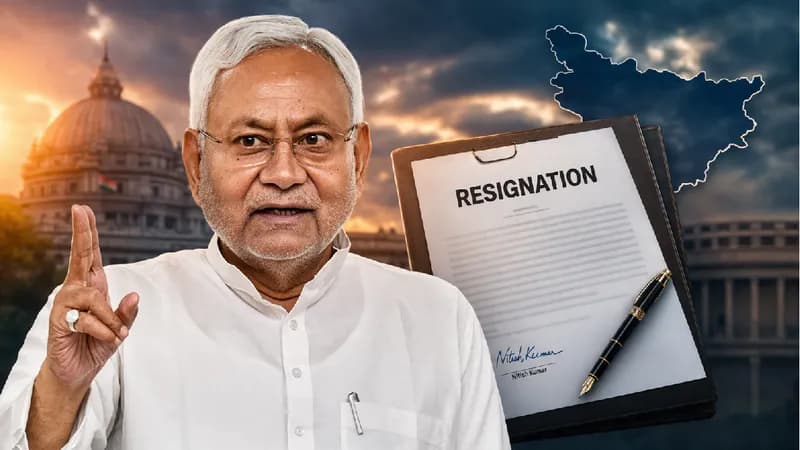
Nitish Kumar resignation is no longer speculation, it’s official. And with that, the politics of Bihar has gone into one of its most unpredictable and decisive phases in years.
On March 30, 2026, Bihar Chief Minister Nitish Kumar resigned from his membership in the Bihar Legislative Council, formally complying with constitutional provisions after being elected to the Rajya Sabha earlier this month.
This is not just a normal resignation, it seems like the beginning of a great political change.
The move comes after Nitish Kumar secured a Rajya Sabha seat on March 16. As per the Prohibition of Simultaneous Membership Rules, 1950, a leader cannot hold positions in both Parliament and a state legislature at the same time.
That meant one thing: he had to resign within 14 days, or risk losing his parliamentary membership. The deadline was March 30, and Nitish acted just in time.
According to reports, his resignation letter was submitted by JD(U) leader Sanjay Gandhi to Council Chairman Awadhesh Narayan Singh, who accepted it promptly.
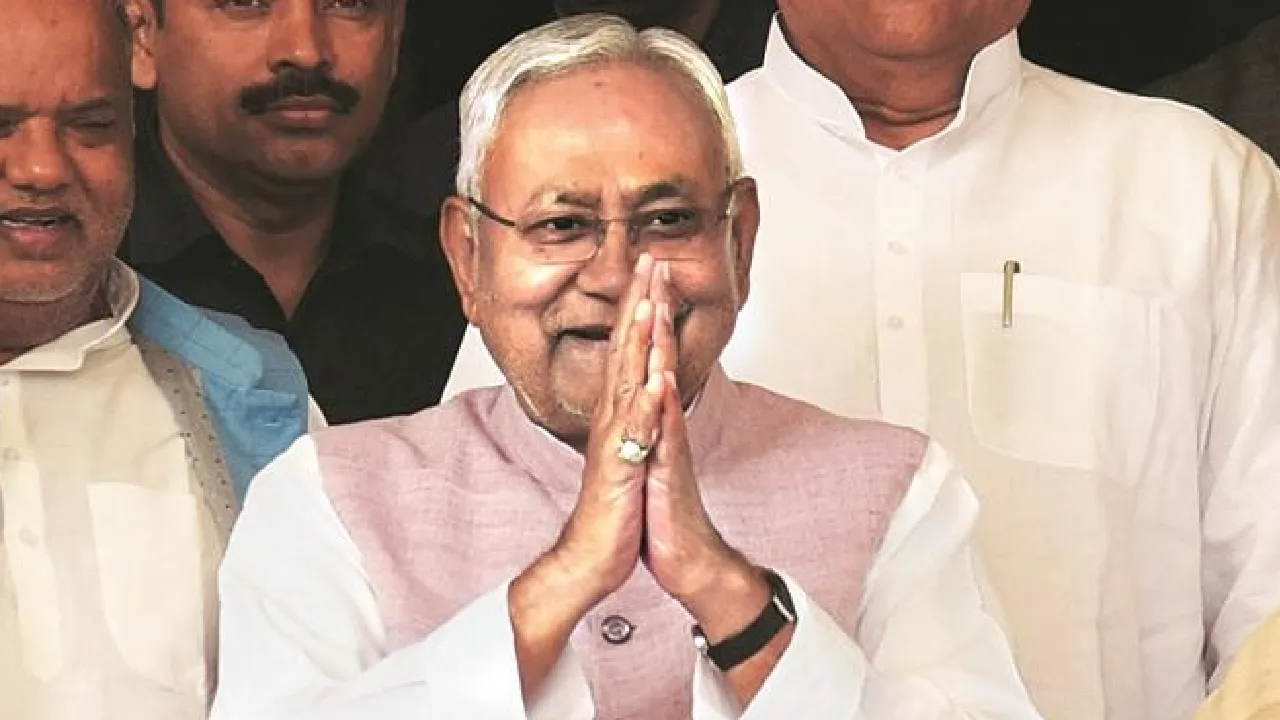
With the resignation done, the next step is clear.
Nitish Kumar is expected to take oath as a Rajya Sabha MP on April 10, 2026. His nomination filing on March 5, done in the presence of Union Home MinisterAmit Shah, had already hinted at this transition.
At that time, many political observers saw it as a signal that his long tenure in Bihar might be nearing its end. Now, that prediction seems to be unfolding.
Here’s where things get interesting, and confusing.
Technically, under Article 164(4) of the Constitution, Nitish Kumar can continue as Chief Minister for up to six months even without being a member of the state legislature.
But politics is rarely just about what’s allowed, it’s about perception and strategy.
And now his silence is raising more questions than answers.
The current situation is creating a lot of speculation throughout Bihar.
The biggest question now is simple: Who will replace Nitish Kumar?
Inside Patna’s political circles, the mood is tense.
Senior leaders from his party, Janata Dal (United), reportedly held closed-door meetings at his residence just before the resignation. Some leaders even urged him to stay on as CM.
Meanwhile, posters of his son, Nishant Kumar as a possible future leader have appeared, but there is no official confirmation of any such plan.
On the BJP side, developments involving state leader Nitin Nabin have also added intrigue, especially when it comes to the coordinated resignations and possible leadership reshuffles.
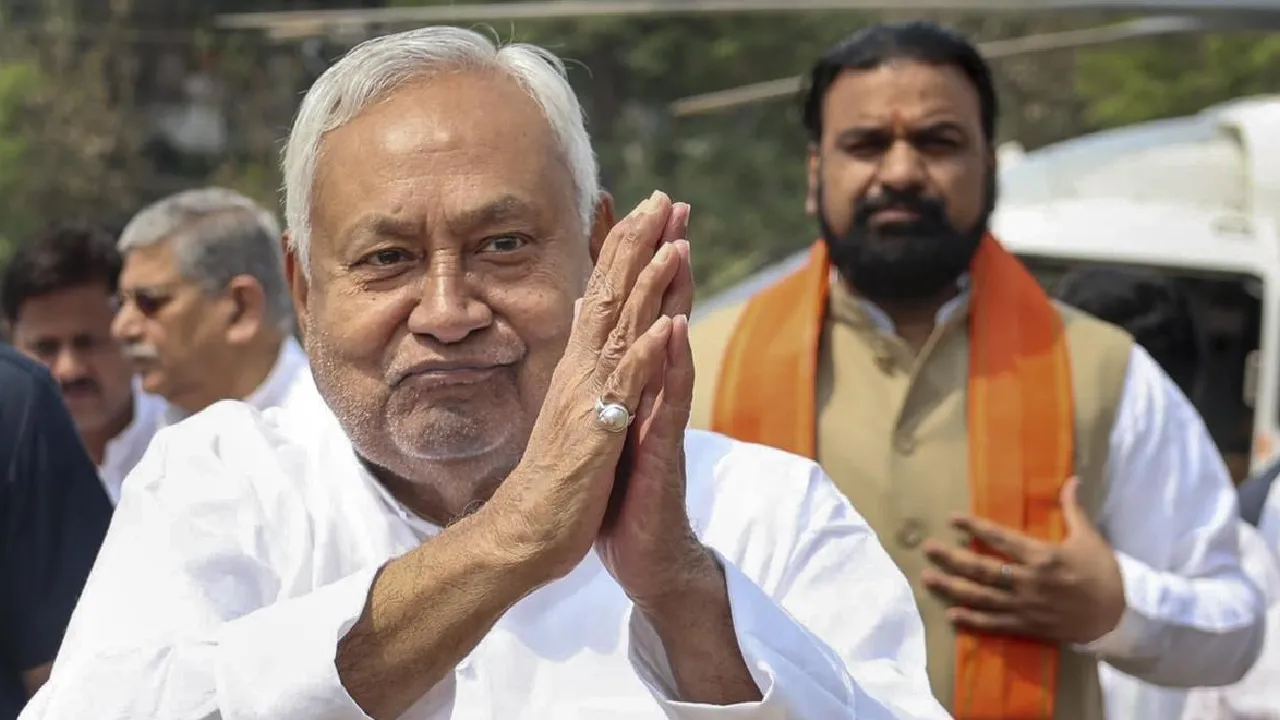
Let’s be honest, this doesn’t feel like a normal administrative move.
Nitish Kumar is one of the most influential politicians in Bihar who has served the state for nearly two decades. His governance style, coalition balancing, and political flexibility have defined the leadership of the state.
So when someone like him shifts to Delhi, it’s not just a promotion, it’s a transformation of the state’s political structure.
Some leaders have already warned that his exit could impact voter sentiment, especially among backward and extremely backward communities. And that concern isn’t baseless.
Nitish Kumar resignation is more than just a constitutional step; it could very well signal the end of an era.
Whether he stays on as CM temporarily or resigns soon, one thing is clear that Bihar is heading into a transition phase. And such transitions are not usually smooth.
As April 10 approaches and his Rajya Sabha oath draws near, all eyes will remain on Patna, not just for what Nitish Kumar does next, but for who rises after him.
Because in politics, exits are never just exits, they’re the beginning of something bigger.