/
/
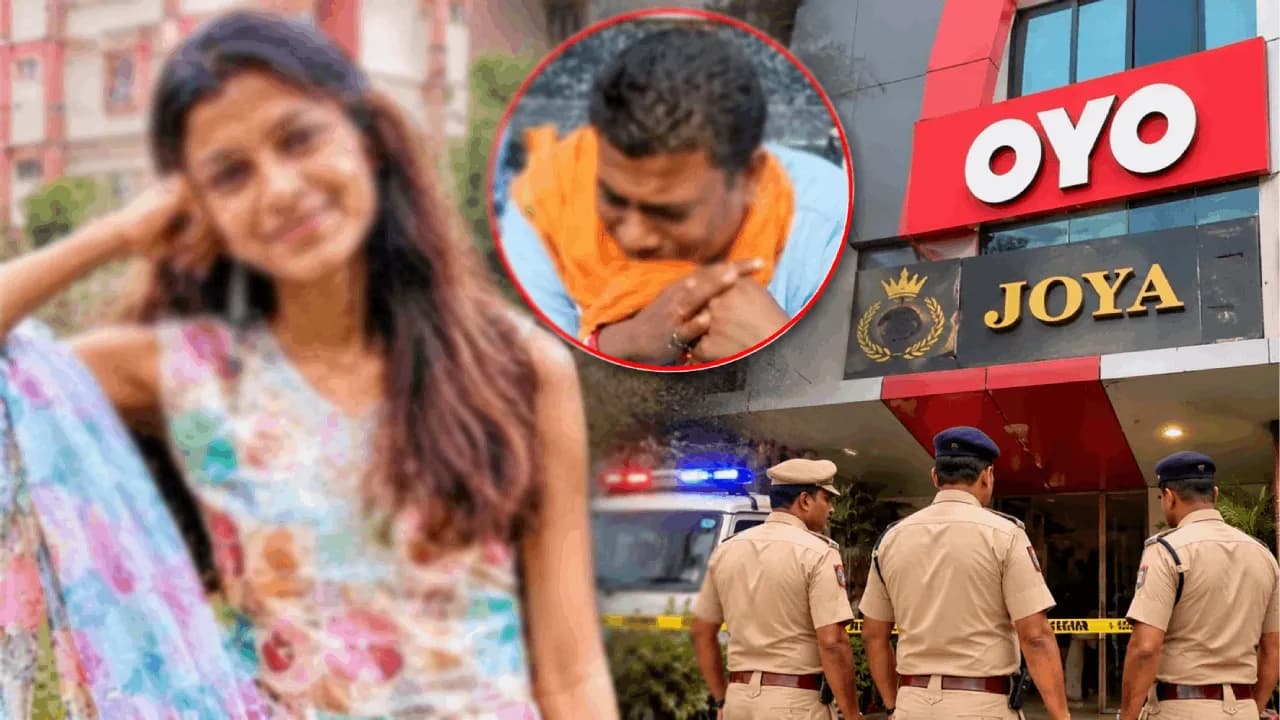
Ujjain e-rickshaw hacking case shocks drivers as Bluetooth app allegedly stopped vehicles for extortion. Police arrest accused, probe wider network.
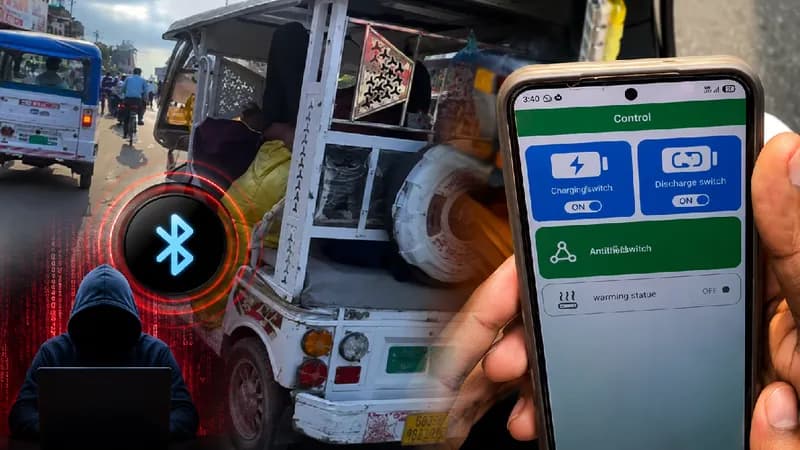
Imagine your vehicle suddenly shutting down in the middle of a busy road, and within minutes, someone appears claiming they can fix it for money. That's exactly what several e-rickshaw drivers in Madhya Pradesh's Ujjain say they experienced. The Ujjain e-rickshaw hacking case has exposed an alarming cyber fraud in which an alleged Bluetooth-based mobile app was used to disable vehicles before drivers were asked to pay to get them running again.
Police have arrested one suspect and launched a wider investigation into what officials believe could be a larger cyber extortion network targeting e-rickshaw operators.
According to Ujjain Police, complaints from multiple e-rickshaw drivers revealed a similar pattern. Vehicles would suddenly stop while on the road, often during late-night hours or in isolated areas. Shortly afterward, someone claiming to be a mechanic would arrive and offer to restart the vehicle in exchange for ₹200 to ₹300.
The matter gained serious attention after an incident near Loti Tiraha, where a driver became suspicious and informed police.
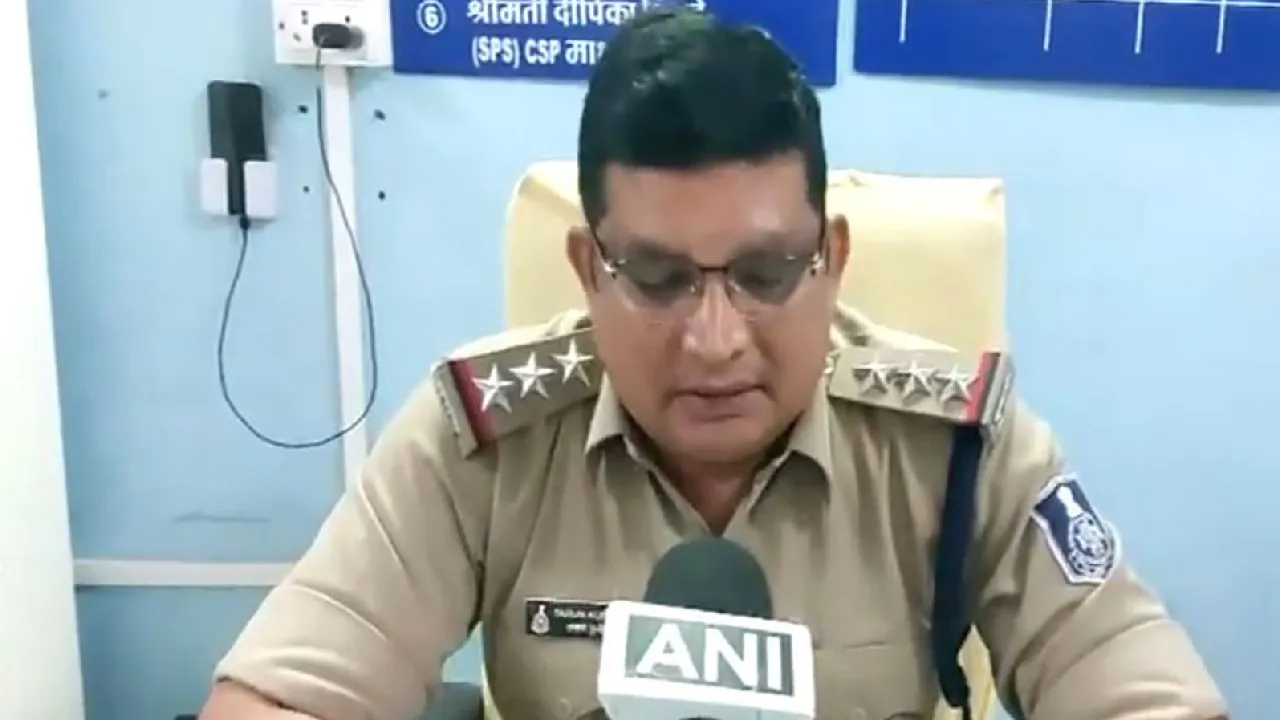
Neel Ganga Police Station in-charge Tarun Kuril said an FIR has been registered, one accused has been taken into custody, and investigators are examining similar complaints reported from across the city.
Police suspect the accused misused a smartphone application called BAT-BMS, which communicates with the Battery Management System (BMS) installed in certain lithium battery-powered e-rickshaws.
Investigators believe that if a battery's Bluetooth connection was left without password protection, someone standing nearby could connect to the system and disable the battery output, causing the vehicle to stop.
Authorities are investigating whether the issue is limited to specific battery systems that lacked proper security features.
For many e-rickshaw drivers, every trip directly affects their daily earnings. When vehicles suddenly stopped, many believed they had suffered a mechanical failure.
Police allege the accused exploited that confusion by posing as a technician, restarting the vehicle within minutes and collecting money from stranded drivers.
Several drivers have also claimed they lost hours of work because of repeated shutdowns, while some reportedly had to pay additional charges to unlock battery systems.
Following complaints from drivers and the Unorganised E-rickshaw Drivers and Operators Association, a joint team of the Crime Branch and local police launched an investigation.
Police are now:
Officials have also advised drivers not to pay unknown people if their vehicle suddenly stops and to contact only authorised service centres or company technicians.
Drivers have been asked to immediately report suspicious activity through Dial 100/112, Cyber Helpline 1930, or the nearest police station.
Investigators have clarified that BAT-BMS is designed as a battery management application for compatible lithium batteries. By itself, it is not considered a hacking app.
The concern is whether unsecured Battery Management Systems without password protection allowed unauthorised Bluetooth access, making it possible for someone nearby to misuse available controls.
Police are examining whether this technical vulnerability was deliberately exploited for financial gain.
Cyber law expert Pawan Duggal said that modern e-rickshaws equipped with digital Battery Management Systems qualify as computer resources under the Information Technology Act, 2000.
If investigators establish unauthorised access to these systems, the alleged acts could attract provisions under Sections 43 and 66 of the IT Act.
Conviction under these provisions can lead to imprisonment of up to three years, a fine of up to ₹5 lakh, or both, depending on the findings of the investigation.
The Ujjain incident highlights how digital technology can become a vulnerability when basic security measures are ignored. As electric vehicles become increasingly software-driven, cybersecurity is no longer limited to computers and smartphones.
For thousands of e-rickshaw drivers, a simple Bluetooth security gap can mean lost income, stranded passengers and growing uncertainty. Police continue to investigate whether similar vulnerabilities have affected drivers in other cities, while authorities work with manufacturers to strengthen software protection and prevent future misuse.