

/
/
Lohagad Fort saw a 25% rise in visitors after the Ketan Agarwal murder case as 'Siya Point' went viral, forcing police to shut the site for probe.
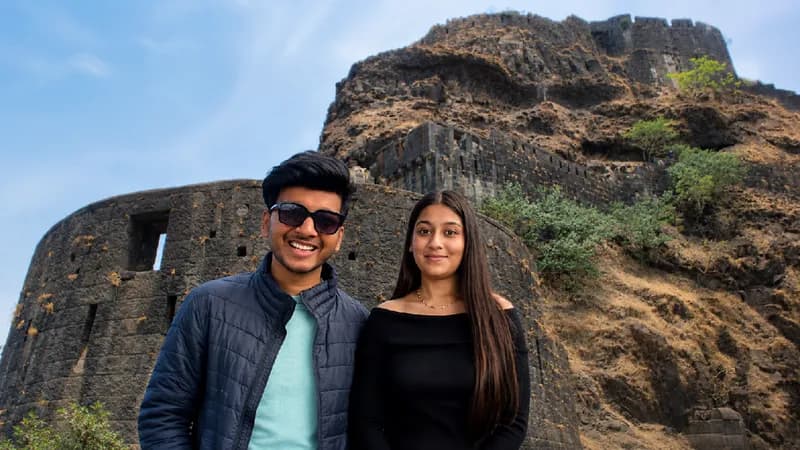
There's something deeply unsettling about watching a place of history and natural beauty get reduced to a crime scene backdrop. That's exactly what's happening at Lohagad Fort right now.
Tucked in the hills near Pune, this ancient fort has suddenly found itself at the centre of a very different kind of attention, not for its Maratha-era walls or misty monsoon views, but because of the Ketan Agarwal murder case. Curious visitors have been pouring in to find a cliff now being called "Siya Point," and things got chaotic enough that police had to step in and shut the place down.
The numbers tell the story clearly. Since details of the murder investigation went public, visitor footfall at Lohagad Fort has jumped by nearly 25–30%, according to authorities and people living nearby.
Tourists have been walking up to guides, security staff, and locals, asking them to point out the exact cliff where investigators believe 26-year-old Pune realtor Ketan Agarwal was pushed to his death during a trek. That spot has since picked up an unofficial name, "Siya Point", after prime accused Siya Goyal, who has been arrested along with co-accused Chetan Chaudhary.
A fort that people once visited for panoramic views, monsoon treks, and a brush with Maratha history is now drawing crowds who are mostly there because of what they read in the news or saw on their phone.
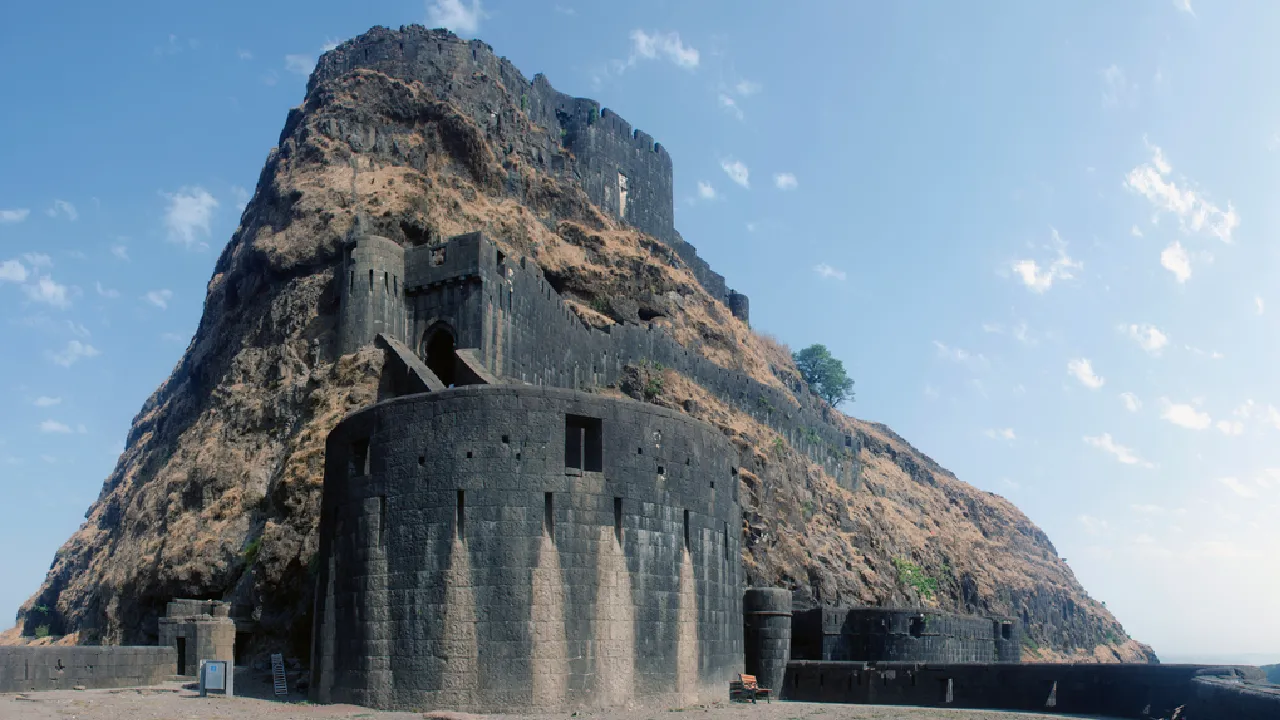
The crowds didn't just create a spectacle, they created a real problem for investigators.
Police sources said the surge in footfall was putting forensic evidence at risk and making it nearly impossible to piece together what actually happened that day. Lonavala Rural Police ended up evacuating tourists, sealing off sections of the fort, and carrying out crime-scene reconstruction and forensic work. The fort was reopened once the day's investigation wrapped up.
It's worth noting that investigators in the Ketan Agarwal murder case are working largely without any confirmed eyewitnesses or CCTV footage of the alleged push, which makes physical evidence at the site even more critical to preserve.
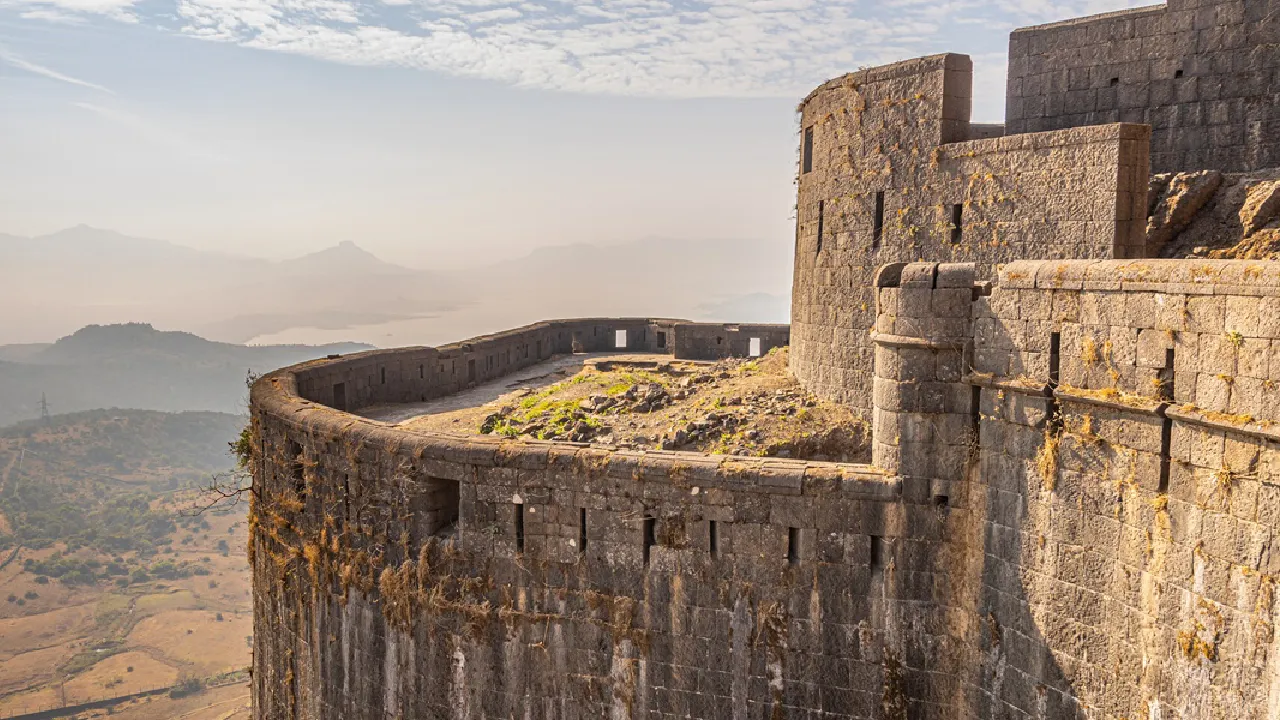
The cliff has become the one thing everyone wants to see.
People have been travelling from Mumbai, Pune, Nashik, and surrounding areas, reportedly rerouting entire weekend plans just to visit the spot they'd seen in news clips and social media videos. Vloggers and content creators have added fuel to the fire by posting footage from the site, keeping it circulating online.
All of this has sparked a broader conversation about crime tourism, the trend where places connected to high-profile criminal cases start pulling in visitors out of pure curiosity, regardless of the gravity of what occurred there.
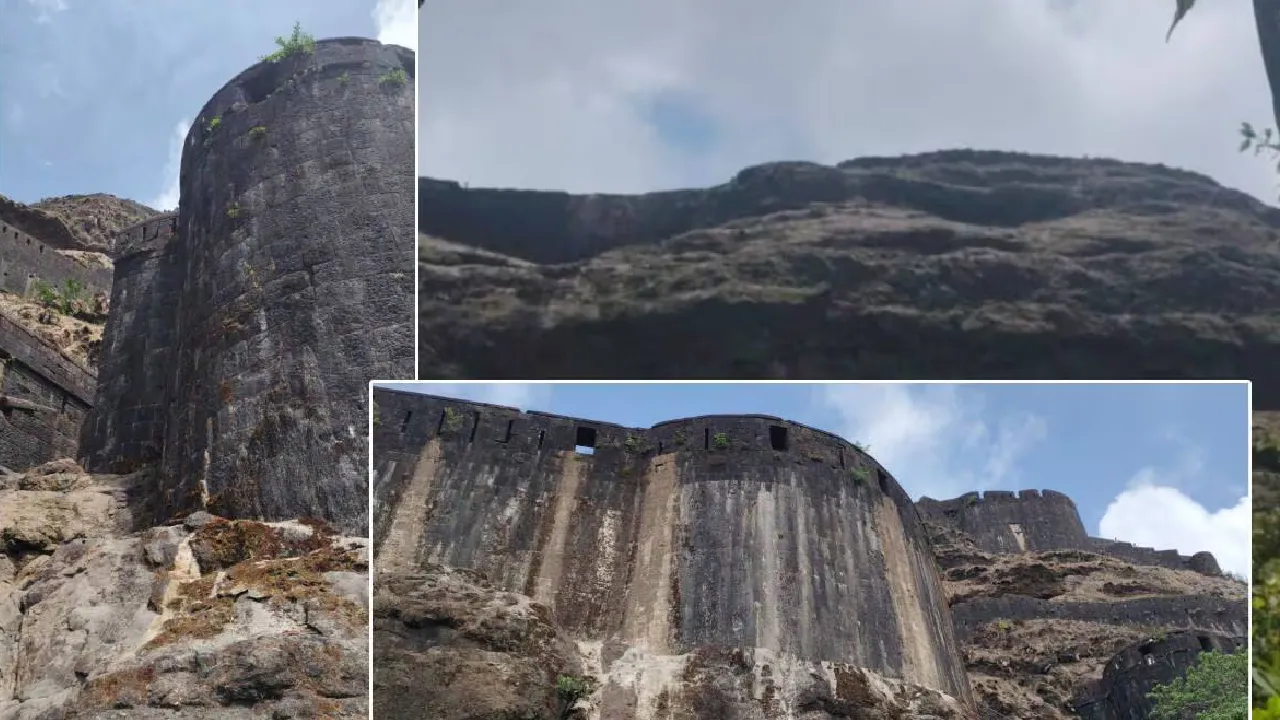
For people who care about history, watching this unfold hasn't been easy.
Members of the Lohagad-Visapur Development Forum have spoken openly about how troubling it is that a fort with close to 2,000 years of history is now making headlines for a murder probe rather than its heritage. They've also pointed to the memes, jokes, and viral content swirling around the Siya Point narrative, arguing it's doing real damage to how people perceive and respect the monument.
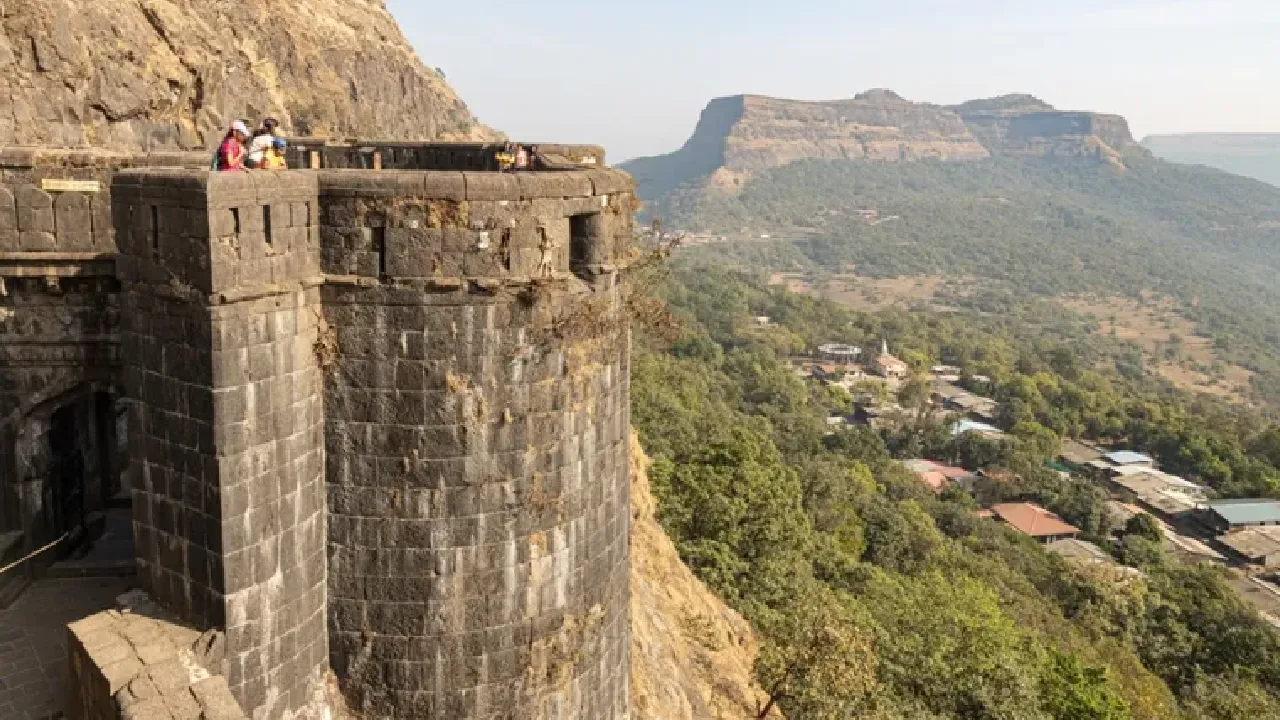
Lohagad Fort sits in Maharashtra's Sahyadri range near Lonavala and has long been one of the state's most loved trekking spots. Its roots are believed to stretch back to the Satavahana period, and it passed through the hands of several dynasties before becoming a key stronghold under Chhatrapati Shivaji Maharaj. It carries centuries of military and cultural significance.
But right now, most conversations about Lohagad have very little to do with any of that.
Police allege that Siya Goyal and Chetan Chaudhary planned the killing to stop Siya's arranged marriage to Ketan Agarwal. Investigators are still piecing together the sequence of events using forensic and digital evidence. Both accused have been arrested, but the case is still being probed, and the allegations will ultimately be decided by a court.
What's happening at Lohagad Fort is a reflection of how fast viral news can change the identity of a place. A story breaks, it spreads across social media, and suddenly people are showing up in real life to see it for themselves, often without thinking about what that means for an ongoing investigation or for the place itself.
Investigators have been clear that keeping the site undisturbed matters enormously for a fair legal process in the Ketan Agarwal murder case. And for the people who've always known Lohagad as a place worth visiting for its history and scenery, the hope is simple, that once the case runs its course, the fort gets to be itself again.









