

/
/
NEET aspirant Ankita Sangle died by suicide after scoring 166 in the re-exam. MP Nilesh Lanke blamed the government and demanded accountability.

There are tragedies that shake you, and then there are ones that make you ask how we got here in the first place. The death of NEET aspirant Ankita Sangle is both. The 19-year-old from Jalalpur village in Maharashtra's Ahilyanagar district had already been through the upheaval of the NEET paper leak controversy. She sat the re-examination. She waited for her result. And when it came back at 166, eleven marks short of the reported cut-off of 177, she couldn't see a way forward.
Her death has ripped open the conversation around the NEET re-exam controversy, student mental health and what it really means to hold a system accountable when young lives are on the line.
According to Karjat Police, Ankita Suresh Sangle had appeared for the NEET re-examination conducted on June 21, a re-exam that came about after the original process was thrown into disarray by the alleged NEET paper leak.
Her family said she had gone into the result expecting much more. Based on how she felt she had performed, a score of 166 was devastating. It didn't match what she had hoped for, what she had worked toward or what her family had sacrificed for.
On a Saturday afternoon, while her father and brother were away in Pandharpur for a pilgrimage, Ankita was found by her mother hanging inside her study room. She had knocked and called out, and when there was no response, she opened the door to find her daughter gone.
Karjat Police have registered an accidental death case and say the investigation is continuing.
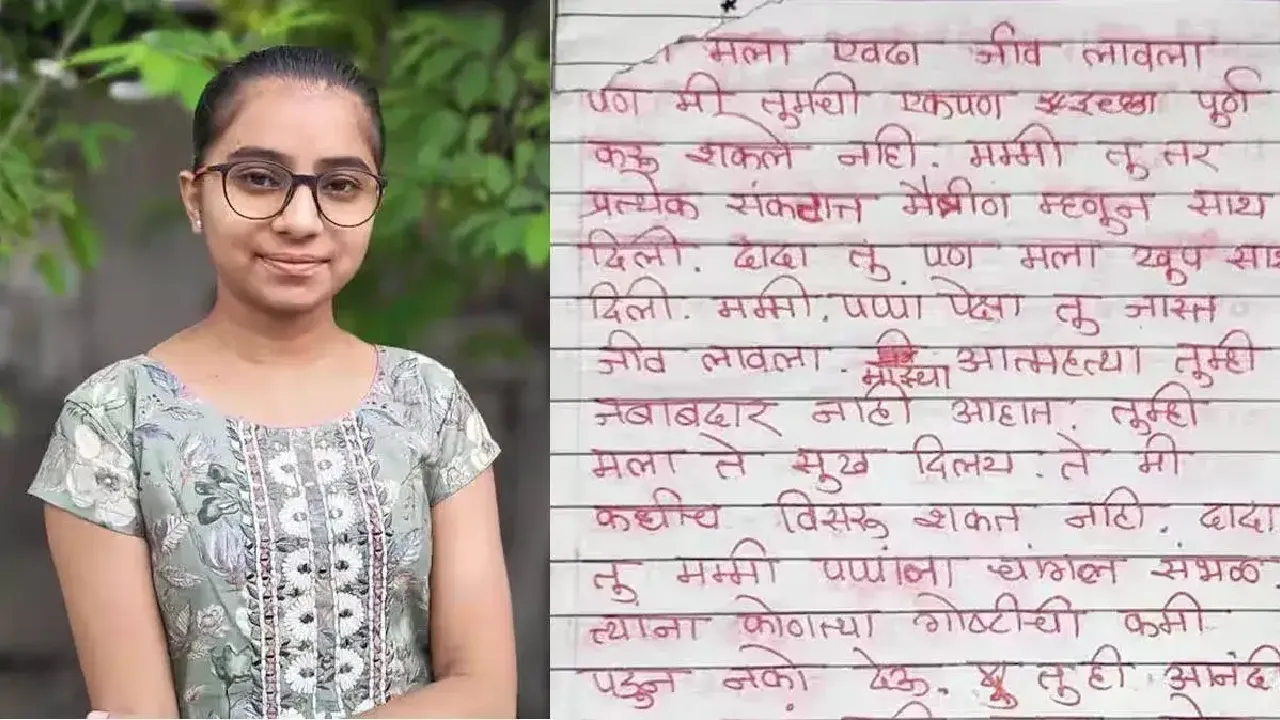
A handwritten note in Marathi was found at the house. What Ankita wrote in it wasn't angry, it was heartbreaking.
She apologised to her parents and her brother. She acknowledged everything they had given up for her education and told them she was sorry she couldn't make their dream come true. She was clear that her family bore no responsibility for what she had decided to do, and she asked her brother to take care of their parents after she was gone.
The note also described how the lower-than-expected marks had pulled her into a depression she couldn't climb out of. She wrote that her dream of becoming a doctor felt like it had slipped away for good.
MP Nilesh Lanke visited Ankita's family and did not hold back. He laid the responsibility for what happened squarely at the government's door, tying her death directly to the chaos caused by the alleged NEET paper leak and the re-examination process that followed.
He called for those responsible for the examination irregularities to face culpable homicide charges, a serious demand that underlines just how grave he considers the failure to have been. He also said families of students who died by suicide in connection with the controversy should receive significant financial support, and announced he would raise the issue during the Parliament session.
Lanke didn't frame Ankita's death as an isolated tragedy. He said multiple student suicides had occurred in the wake of the NEET re-exam controversy and called it a systemic failure, not a personal one.
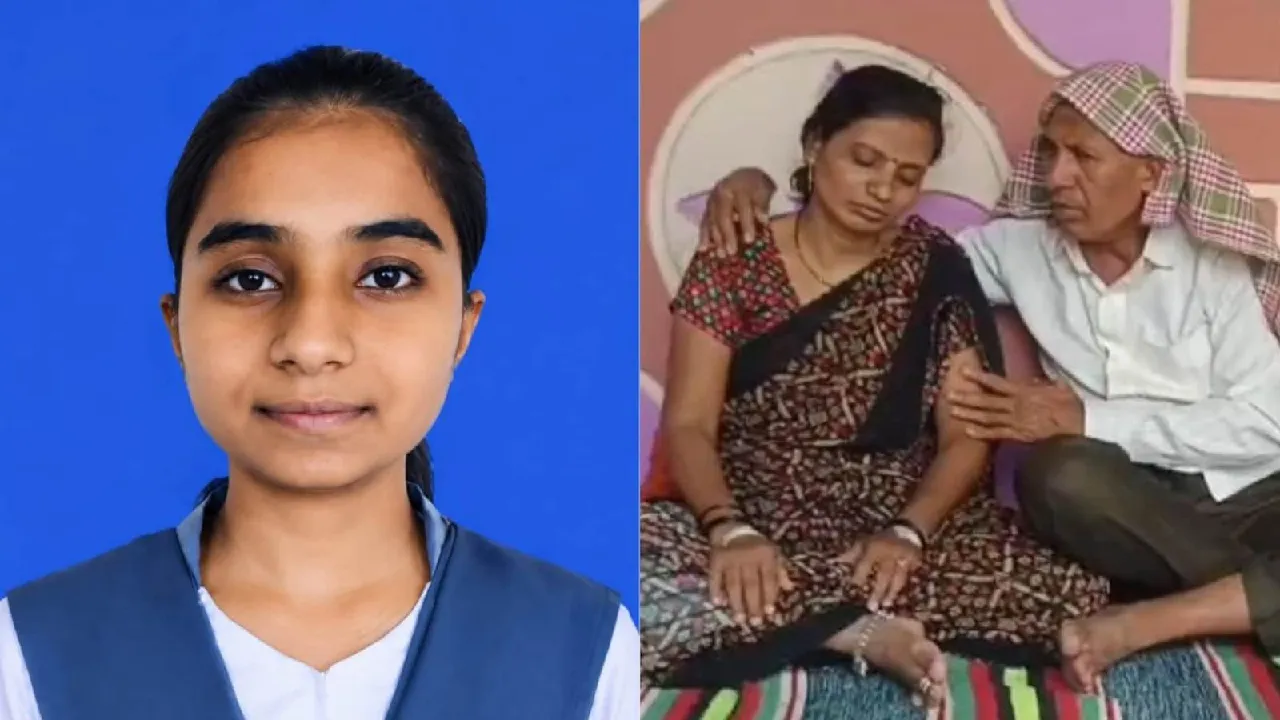
Within hours of the news breaking, social media filled up with reactions. Grief, outrage, solidarity, and a recurring question: how much pressure are we putting on these you
ng people?
Many called on students not to let an exam result define their entire future. Others turned their anger toward institutions, demanding better counselling infrastructure, more transparency in national examinations and real support systems for students who are struggling.
This isn't a new conversation. Mental health experts have been saying for years that high-stakes entrance exams like NEET place a kind of psychological weight on young aspirants that most adults would struggle to carry. Academic preparation matters, but so does having someone to talk to when things fall apart. Student mental health can't keep being the afterthought.
Police have said there are no allegations of foul play from Ankita's family, and the focus of the investigation will be the circumstances surrounding her death.
But beyond the investigation, her death has added fresh urgency to the political debate around the NEET paper leak and NEET re-exam controversy. Opposition voices are pushing harder for accountability and for reforms that will restore some faith in how India conducts its most critical examinations.
NEET aspirant Ankita Sangle wanted to be a doctor. She studied hard, sat an exam that had already been compromised, and waited for a result that crushed her. Her story is a painful reminder that behind every score, there's a person, and that person needs more than just a number to survive the process.
The calls for examination reform and better mental health support are growing louder. Whether they lead anywhere real is the question that needs answering now.
If you or someone you know is struggling with exam stress, emotional distress or thoughts of suicide, please reach out to a trusted person, a mental health professional or local emergency services. Help is available, please use it.









