/
/
Bhopal teen murder: Police allege a viral reel about ₹1.2 crore testicles inspired a deadly plot, leaving a street vendor dead with no buyer found today.
There are crimes that shock you, and then there are crimes that make you genuinely frightened about what misinformation can do in the wrong hands. The Bhopal teen murder case falls firmly into the second category.
What allegedly started with a viral reel making an outrageous claim about the value of human body parts ended with a teenager dead, a community shaken and police investigating a case that feels almost impossible to believe.
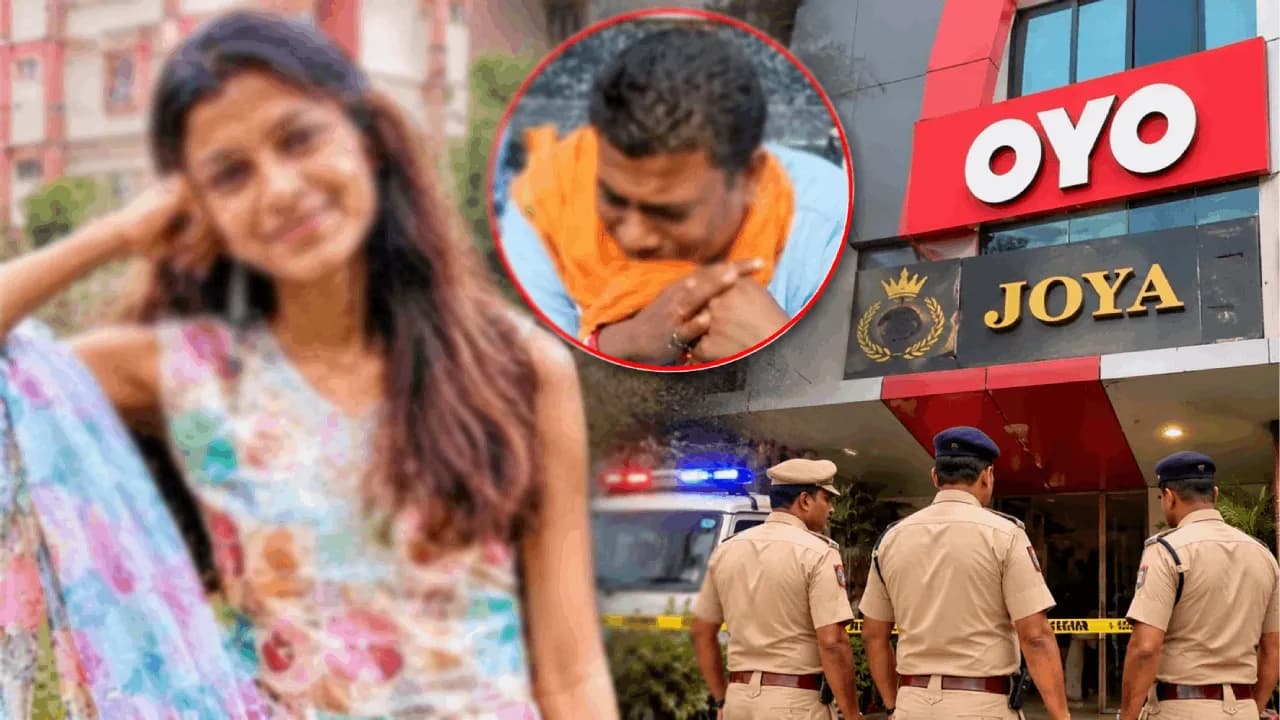
Police allege that a clip circulating on social media, claiming that human testicles could fetch crores of rupees, influenced a group of young men and minors into targeting a teenage street vendor. The victim, identified in multiple reports as Rehan, used to sell pens and keychains around Iqbal Maidan and Moti Masjid. According to police, on August 6, he was lured away with an offer of ₹100 and taken toward the Dhobi Ghat area near Chhota Talab, where he was allegedly killed.
What makes this Bhopal crime news especially disturbing is that investigators say the alleged motive wasn't rooted in any real organ market. It was rooted in a baseless claim that spread on social media and that someone, apparently, decided to take literally.
Police-linked reports name 20-year-old BBA student Zoheb Khan as the alleged central figure in the conspiracy. Investigators say he came across a reel claiming human testicles could be sold for somewhere between ₹1.2 crore and ₹1.5 crore. Some versions of the claim floating online have pushed that figure as high as ₹6 crore. Authorities say they found no evidence of any real buyer or any market that could support that claim.
A 16-year-old boy went missing in Bhopal, Madhya Pradesh. Police later stated that he had been kidnapped and murdered. According to investigators, his testicles were removed with the intention of selling them for ₹1.20 crore. Two adults - Amir Qureshi and Zoheb Khan - along with… pic.twitter.com/6uVSuJBQja
— Piyush Rai (@Benarasiyaa) August 18, 2026
According to police, Rehan was approached near Iqbal Maidan by two minors who told him they needed help settling a dispute near Khatlapura. They offered him ₹100 to come along. From there, the group allegedly moved through Ginnauri and Kilol Park toward the isolated Dhobighat area, with Zoheb Khan reportedly staying in contact by phone and allegedly directing events remotely.
At that location, police allege, Rehan was attacked and stabbed. Investigators further allege that his body was mutilated after the killing, with the Bhopal testicle hoax apparently driving what happened next, the accused allegedly removed a body part, believing they could sell it.
This is an active investigation. The accused have not been convicted of anything.
Police describe Zoheb Khan, 20, as the alleged mastermind. Reports say he was studying for a BBA but allegedly presented himself to associates as someone with medical knowledge, which is how he reportedly convinced them that the viral claim was genuine. He is said to have shown them the video and persuaded them that this could make the group between ₹1 crore and ₹1.5 crore.
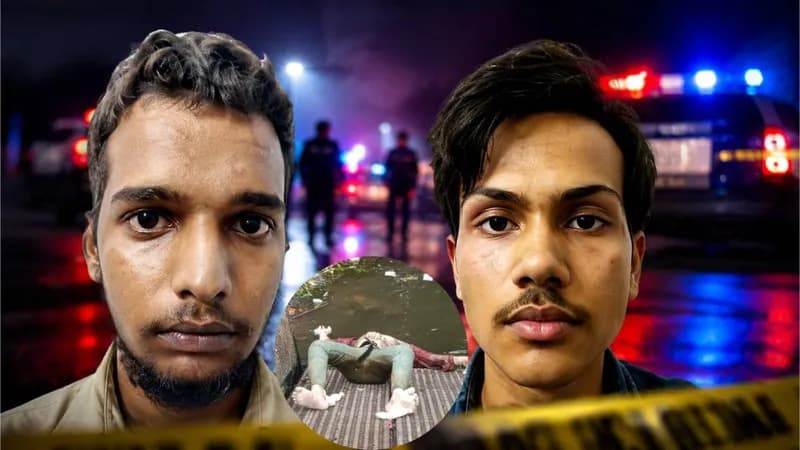
Khan was reportedly not physically present when Rehan was killed, but investigators allege he stayed connected through phone and video calls. He has since been arrested, along with 18-year-old Aamir Qureshi. Three minors have also been detained in connection with the case.
This is the part of the investigation that makes everything feel even heavier. According to police, August 6 was not the first time the group had tried to act on the viral reel murder plan.
In one earlier attempt, they reportedly tried to lure a boy with the same ₹100 offer and the same cover story about a fight nearby. He didn't show up. In another attempt, the targeted individual apparently fought back and got away. Reports indicate a separate attempt-to-murder case has been registered in connection with that incident.
Rehan was the third attempt. The fact that investigators are treating this as a repeated pattern, not a single impulsive act, adds a different and deeply troubling dimension to the Bhopal crime news.
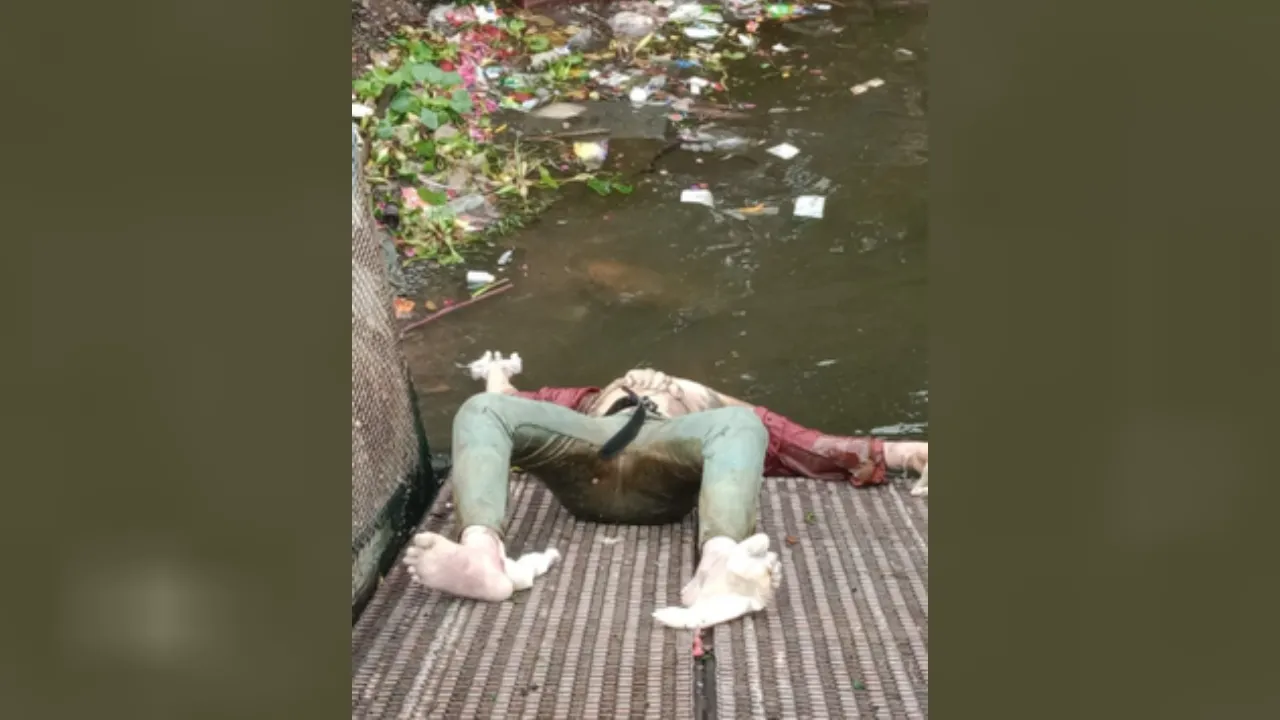
Rehan's body was recovered from the Chhota Talab area near Dhobighat on August 10. The condition of the body made identification difficult at first. Police circulated photographs, made local enquiries and went door to door. Eventually, his family was able to identify him through personal belongings and a tattoo.
Different reports have described him as 14, 16 or 17 years old. Rather than assign a disputed age, it's clearest to say he was a minor teenager. His mother had already filed a missing-person complaint by the time his body was found.
It's worth being very direct about this: the Bhopal testicle hoax was exactly that, a hoax. There is no real market, no verified price and no medical or commercial basis for the claim that human testicles can be sold for crores of rupees. Police have found no legitimate buyer in connection with this case, and the investigation has turned up nothing to suggest the supposed windfall ever existed.
The exact figure has shifted depending on the source. Police accounts have referred to around ₹1.2 crore; some reports mention ₹1 crore to ₹1.5 crore; the ₹6 crore figure appears to belong to the broader wave of misinformation rather than anything investigators have specifically cited. What all these numbers have in common is that none of them were real.
Perhaps the most grim detail to come out of this investigation is what allegedly happened after the killing. Police say the accused had no confirmed buyer lined up. They reportedly had no idea how to preserve, transport or sell what they had removed. According to reports, the body part was kept for several days before eventually being discarded.
In other words, the plan, if it can be called that, had no ending. The crores that allegedly motivated everything never materialised. There was no buyer waiting. There was no market. What the viral reel murder claim had promised simply did not exist. But by the time that became clear, Rehan was already dead.
The Bhopal teen murder investigation is still ongoing. Police are going through call records, mobile phones and digital evidence, and they're also trying to trace the original source of the reel, whether it spread simply as a careless piece of misinformation or whether someone deliberately pushed it out knowing it might be acted upon.
Earlier reporting had raised the possibility of a wider organ-trafficking network. That angle has not been established, and police are still working to determine whether any broader operation exists. For now, what investigators have alleged most concretely is a link between a viral online claim and the death of a teenage boy, not proof of an organised trafficking market.
The Bhopal teen murder is disturbing on its own terms. But it's also something of a warning about where unchecked misinformation can lead. A short reel, carrying no evidence and no credible source, was allegedly enough to convince a group of young people that a human body part could make them rich. Rather than questioning the claim, investigators allege, they looked for a victim.
That's the part that stays with you. The reel didn't come with a disclaimer. It didn't trigger doubt in the people who watched it. It reportedly triggered a plan.
The accused are entitled to due process, and the allegations against them will be tested in court. The investigation is still building its picture of exactly who knew what and when.
But one thing the investigation has already made clear: the crores were never real. The buyer never existed. What this case has left behind is a dead teenager, a grieving family and a question about how much damage a single piece of online misinformation can actually cause, when the wrong people decide to believe it.