Samay Raina Gets Supreme Court Relief: All FIRs in India’s Got Latent Disability Remarks Case Quashed
The Supreme Court has quashed FIRs against Samay Raina and four comedians over alleged insensitive remarks concerning persons with disabilities on India’s Got Latent.


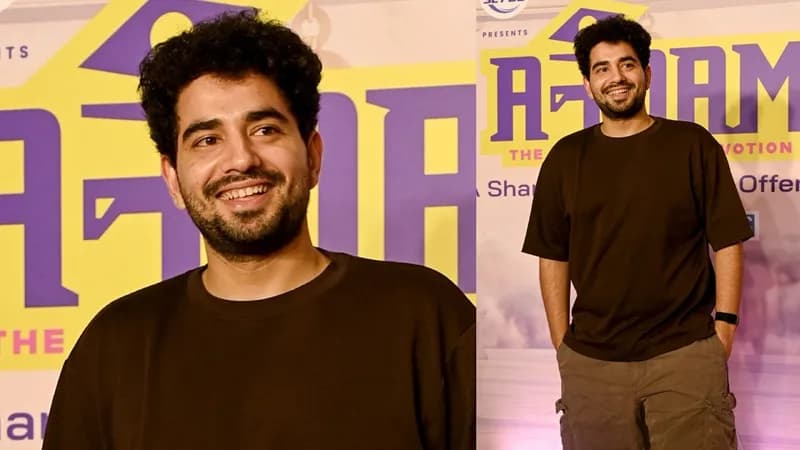
The Supreme Court has quashed all FIRs against comedian and YouTuber Samay Raina and four other comedians in connection with alleged insensitive remarks concerning persons with disabilities on the comedy show India’s Got Latent.
The relief was granted to Samay Raina, Vipul Goyal, Balraj Paramjeet Singh Ghai, Sonali Thakkar alias Sonali Aditya Desai, and Nishant Jagdish Tanwar. The three-judge bench comprised Chief Justice of India Surya Kant and Justices Joymalya Bagchi and V. Mohana.
The order brings the criminal proceedings arising from the particular remarks to an end, although the controversy has already had a wider impact on the debate surrounding online comedy, disability rights, freedom of expression and the responsibilities of creators with large audiences.
Why did the Supreme Court quash the FIRs against Samay Raina?
The FIRs arose from allegations that remarks made in connection with India’s Got Latent were derogatory or insensitive toward persons with disabilities.
The matter eventually reached the Supreme Court after the Cure SMA India Foundation raised concerns about the dignity and treatment of people with disabilities and sought stronger safeguards against such comments.
The Court had previously imposed conditions on the comedians as part of the proceedings. The latest order now closes the criminal proceedings connected with the FIRs against Raina and the four other comedians.
Who else got relief along with Samay Raina?
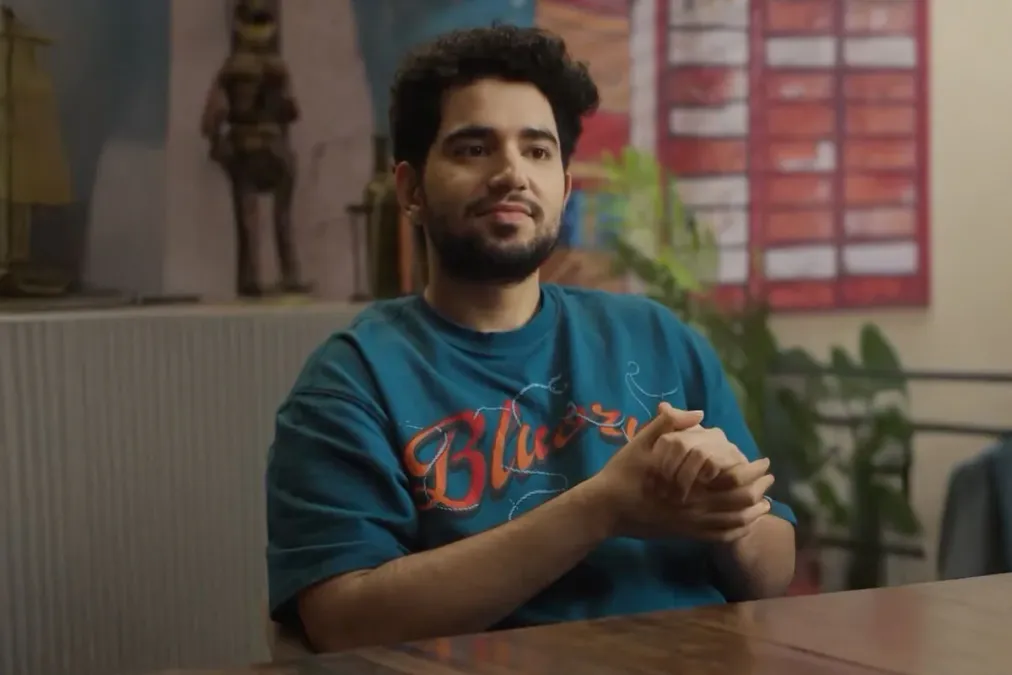
The Supreme Court's relief extends to four other comedians:
- Vipul Goyal
- Balraj Paramjeet Singh Ghai
- Sonali Thakkar, also known as Sonali Aditya Desai
- Nishant Jagdish Tanwar
The Court also took note of steps taken by Raina and the other comedians to organise programmes highlighting persons with disabilities and support related causes.
What was the India’s Got Latent controversy?
India’s Got Latent became the centre of a major controversy after comments made during the show triggered criticism over their treatment of people with disabilities and other sensitive subjects.
The dispute raised a difficult legal and social question: where should the line be drawn between comedy and freedom of expression on one hand, and dignity and protection from discriminatory or degrading speech on the other?
Because the show was distributed through digital platforms and involved creators with large online audiences, the controversy also became part of a broader discussion about accountability in India's creator economy.
What did the Supreme Court previously direct the comedians to do?
The Supreme Court had earlier directed Raina and the other comedians to make an unconditional apology concerning the remarks.
The Court also sought to turn their large public platforms toward a more constructive purpose. Among the directions and undertakings in the proceedings were commitments involving programmes highlighting the achievements of persons with disabilities and efforts to support fundraising for treatment of rare diseases.
The Court's approach showed that the proceedings were not limited to determining whether criminal cases should continue. It also focused on the broader consequences of insensitive public content and the responsibility of influential creators.
Why did the Supreme Court fine Samay Raina in July 2026?
The latest relief comes after the comedians faced another setback in July.
On July 14, the Supreme Court imposed ₹3 lakh costs each on Samay Raina, Vipul Goyal, Balraj Ghai, Sonali Thakkar and Nishant Tanwar over alleged non-compliance with undertakings given during the proceedings. The bench criticised the failure to comply with earlier directions and said Raina had "taken the court for a ride."
The Court had initially indicated a higher cost but reduced it to ₹3 lakh each after Raina's counsel sought leniency. The bench also warned of a substantially higher penalty if there was further non-compliance.
This is an important distinction from some reports about the case: the July ₹3 lakh order involved Raina and the same four comedians who have now received the FIR relief, rather than Ranveer Allahbadia and Ashish Chanchlani.
What does the latest Supreme Court order mean for Samay Raina?
The latest ruling means that the FIRs covered by the Supreme Court's order have been quashed and the related criminal proceedings have come to an end.
That is a significant legal relief for Raina and the other comedians after more than a year of litigation, hearings and court-directed measures.
However, quashing the FIRs does not erase the public controversy surrounding the remarks. The case has already contributed to a wider conversation about the responsibilities of comedians and digital creators when dealing with vulnerable or marginalised communities.
Did the Supreme Court protect freedom of speech?
The case involved a tension between freedom of expression and the dignity of persons with disabilities.
The Court's earlier proceedings made clear that freedom of speech does not operate in isolation from the rights and dignity of people who may be targeted by public remarks.
At the same time, the latest decision to quash the FIRs demonstrates that the criminal proceedings have now been brought to a close.
The ruling should therefore not be read simply as a declaration that all controversial comedy is protected, nor as a blanket restriction on humour. The legal outcome is specific to the proceedings and circumstances before the Court.
What happens to the disability-rights debate after the case?
The legal case may be over, but the underlying debate is unlikely to disappear.
The controversy has placed renewed attention on how disability is represented in entertainment, whether existing legal safeguards are sufficient and how digital platforms should respond to content that is considered degrading or discriminatory.
The Supreme Court had also previously asked the Centre to consider whether a stronger legislative framework was needed to deal with derogatory comments targeting persons with disabilities and people affected by rare genetic disorders.
For India's rapidly expanding creator economy, the case offers a reminder that a large audience can bring both influence and responsibility.
What is next for Samay Raina?
With the FIR proceedings now quashed, Raina no longer faces the criminal prosecution arising from these particular remarks.
The wider professional and public consequences of the India’s Got Latent controversy, however, are separate from the criminal proceedings.
The case is likely to remain significant in discussions about online comedy, disability rights, creator accountability and the limits of free expression in India.
For Raina, the Supreme Court's latest order closes a major legal chapter—but it also leaves behind a much larger question for India's digital entertainment industry: how can creators push the boundaries of humour without compromising the dignity of people who are already vulnerable to discrimination?
What did the Supreme Court decide in the Samay Raina case?
The Supreme Court quashed the FIRs against Samay Raina and four other comedians over alleged insensitive remarks concerning persons with disabilities in connection with India’s Got Latent.
Who are the four comedians who received relief?
The four others are Vipul Goyal, Balraj Paramjeet Singh Ghai, Sonali Thakkar alias Sonali Aditya Desai, and Nishant Jagdish Tanwar.
What was the case against Samay Raina about?
The proceedings arose from allegations concerning remarks regarded as insensitive or derogatory toward persons with disabilities during India’s Got Latent.
Did Samay Raina face a ₹3 lakh fine?
Yes. In July 2026, the Supreme Court imposed ₹3 lakh in costs each on Raina and the four other comedians over alleged non-compliance with undertakings given during the proceedings.
Did Ranveer Allahbadia and Ashish Chanchlani receive the same relief?
The latest FIR-quashing order described here concerns Samay Raina and the four comedians named above. Ranveer Allahbadia and Ashish Chanchlani were also involved in related proceedings arising from the broader India’s Got Latent controversy, but they should not be conflated with the five respondents who received the July ₹3 lakh costs order.
What did the Supreme Court previously ask the comedians to do?
The Court had directed them to apologise and had also sought efforts to highlight the achievements of persons with disabilities and support fundraising related to rare diseases.
Does quashing the FIR mean the Supreme Court approved the controversial remarks?
No. Quashing the FIRs brings the criminal proceedings to an end, but it should not be interpreted as an endorsement of the remarks. The earlier proceedings included criticism of the conduct and directions aimed at addressing the concerns raised about disability-related comments.