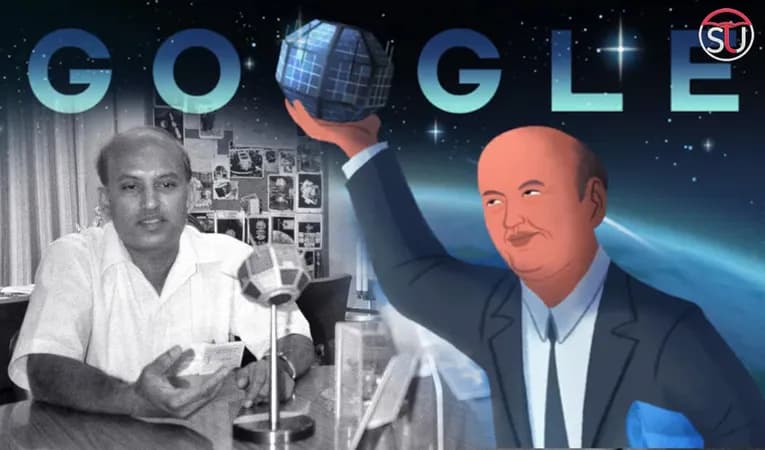
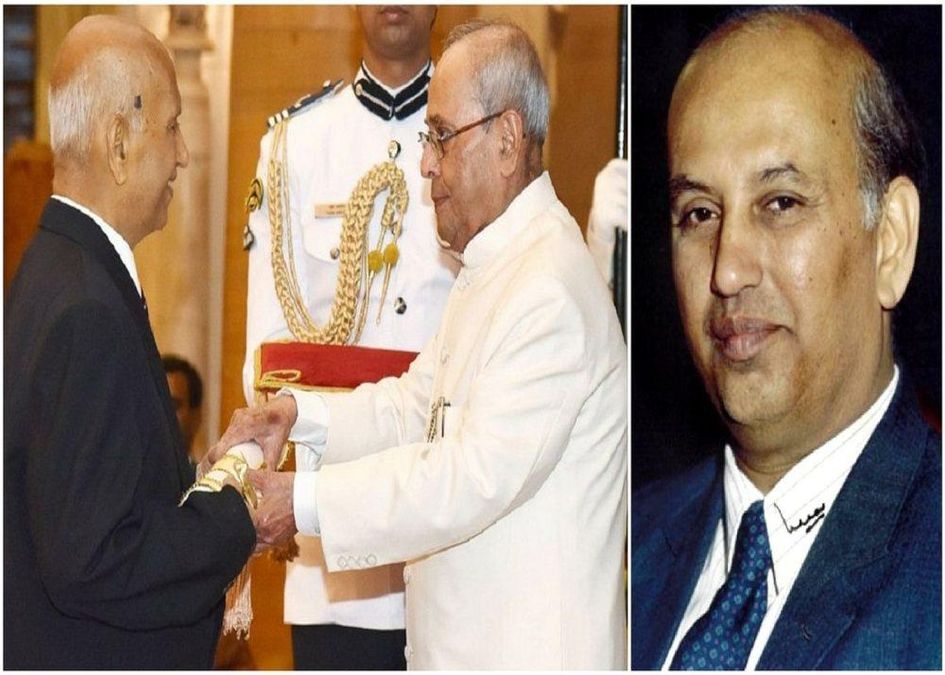
We all know about India’s first satellite, but only few are aware of the scientists behind it. ‘Aryabhatta’ was launched by India in 1975 under the direction of Udupi Ramchandra Rao. The space scientist administered a team of 25 scientists to design the 100 kilograms satellite and successfully pioneer the mission. Today, on the birth anniversary of the scientist, Google doodle has featured his sketch with the image of Earth and stars in the background.
On this day, let us honor him by exploring some lesser-known facts about the ‘Satellite Man of India’.
During the initial days of his career, Udupi Ramchandra Rao worked as a cosmic ray scientist under the supervision of Dr. Vikram Sarabhai, the father of the Indian Space program. He was also a Faculty Member at MIT and an Assistant Professor at the University of Texas at Dallas.
After understanding the need for the use of space technology for the development of the country, Prof. Rao took the responsibility to establish satellite technology in India in 1972.
Under his guidance and supervision, more than 18 satellites have been designed, built, and launched successfully.
He also took responsibility for the development of rocket technology in India that resulted in the successful launch of the ASLV rocket and the PSLV launch vehicle. Notably, PSLV has launched over 250 satellites.via: Astrotalkuk
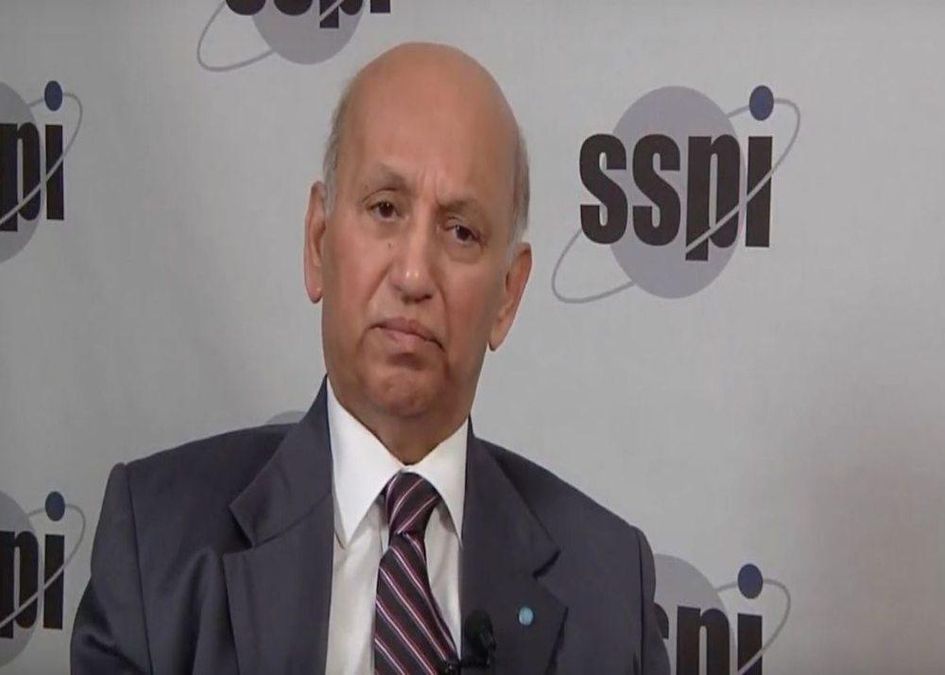
He became the first Indian to be inducted into the highly prestigious Satellite Hall of Fame. He was also the first Indian to be inducted into the International Astronautics Federation(IAF).
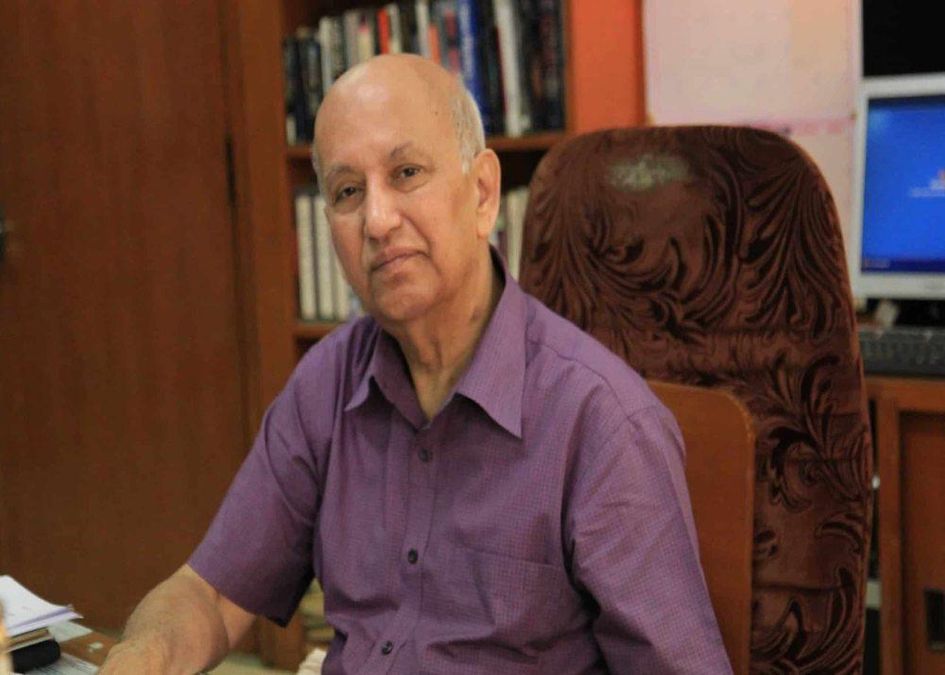
Professor Rao was also appointed as a chairman of ISRO and Physical Research Laboratory.via: scroll.in
He published more than 350 scientific and technical papers covering cosmic rays, interplanetary physics, high-energy astronomy, space applications, and satellite and rocket technology. He has also written many books about science and technology.
Notably, he received the Degree of D.Sc from over 25 Universities, which included top-ranked Universities from all over the world.
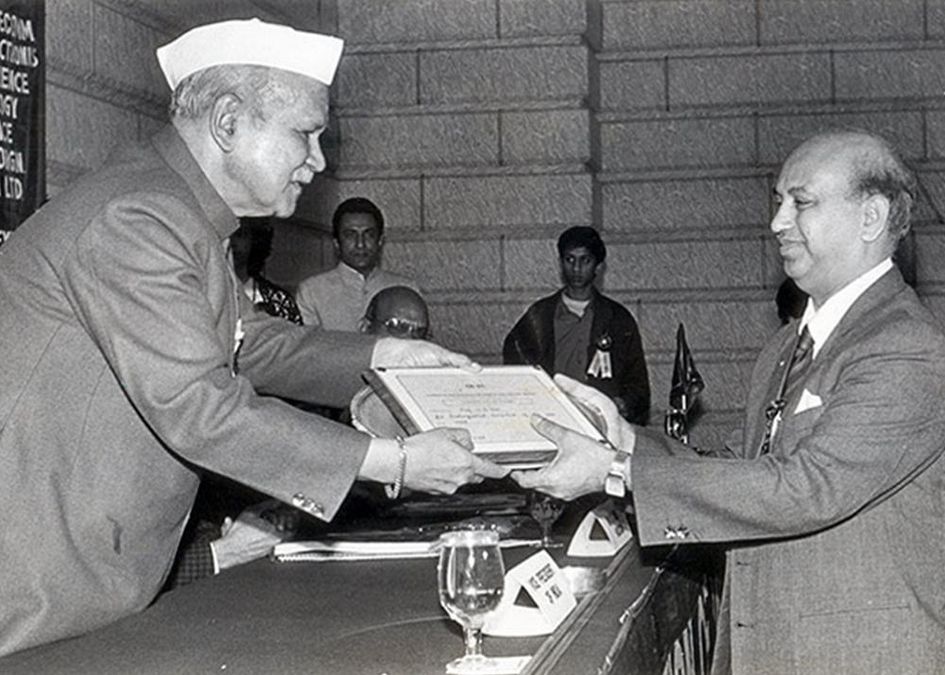
He was also awarded Padma Bhushan in 1976 by the Government of India.via: The better India
Space scientist Udupi Ramchandra Rao has contributed a lot to the development of technology in India. He not only administered various missions successfully but also made India proud through his research.
On his Birth Anniversary, let us proudly take a moment to salute the ‘Satellite Man of India’.
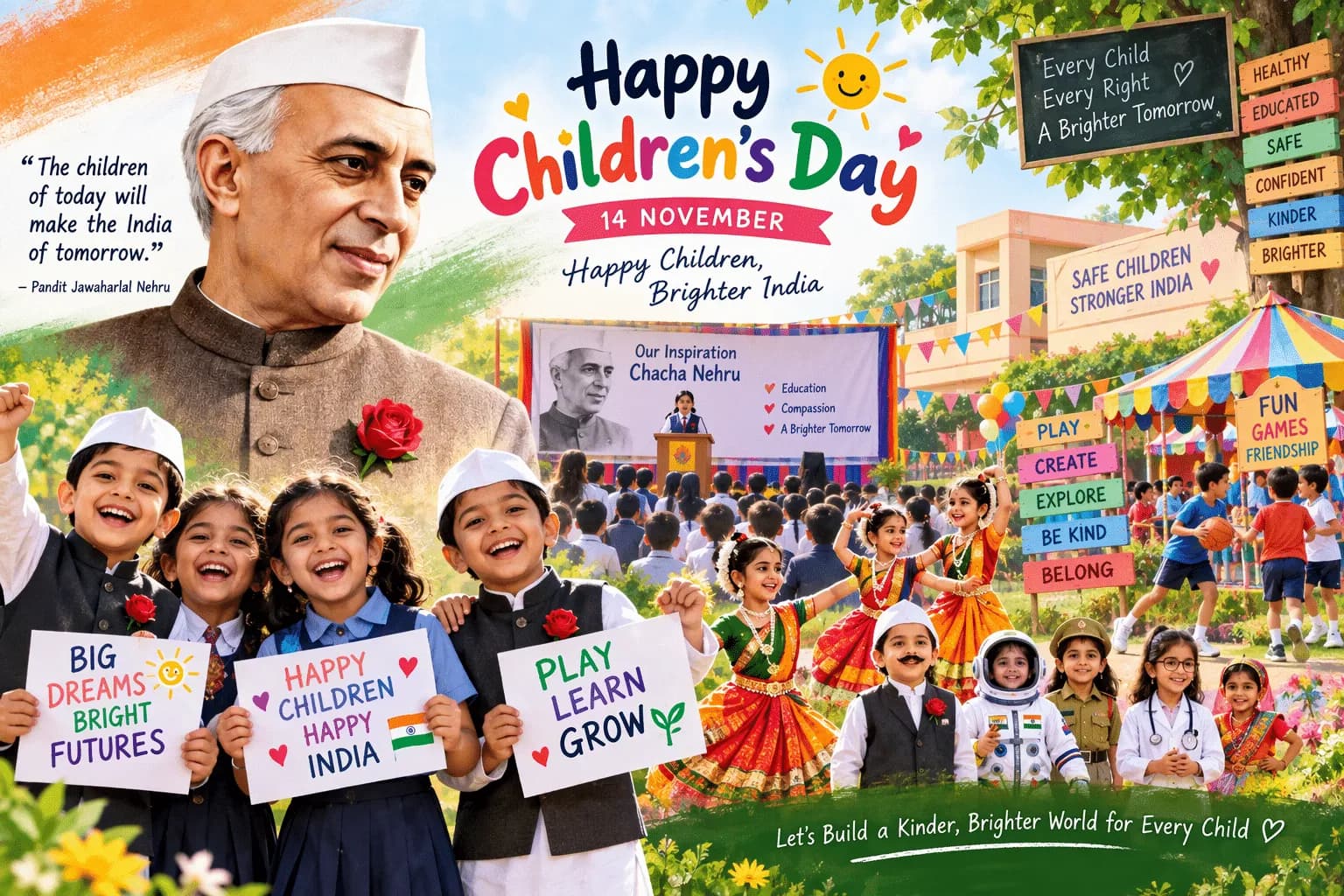
Children's Day 2026 is celebrated on November 14 in India. Know its history, significance, Jawaharlal Nehru's connection and why the day matters for every child.
Discover Bhai Dooj 2026 date, history, significance, rituals, traditions and gift ideas. Learn why this festival celebrates the special bond between brothers and sisters.
Is the world really ending on November 13, 2026? A 1960 scientific paper sparked the viral claim. Here's what the research and latest population data reveal.
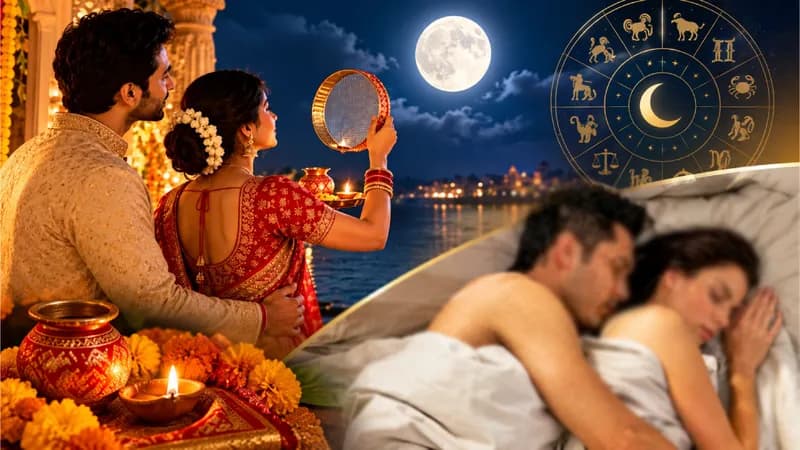
Karwa Chauth physical relation rules explained: Know what religious traditions say about intimacy after moonrise and what medical science says about it.
Karwa Chauth 2026 will be observed on Thursday, October 29. The Hindu festival is traditionally associated with married women observing a day-long fast and praying for their husbands' well-being, longevity and happiness.
Ekadashi is considered one of the most sacred days in Hinduism. Observed twice every lunar month, Ekadashi is dedicated to Lord Vishnu and is associated with fasting, prayer, self-discipline, and spiritual purification
Fasting during periods can be safe for some women, but symptoms and strict no-water vrat rules matter. See health guidance for Navratri and Karwa Chauth.