/
/
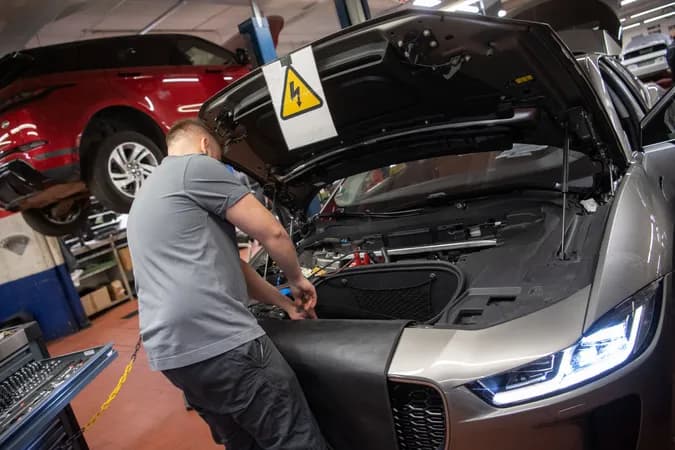
Electric motors have far fewer moving parts than internal combustion engines. This means electric cars often require far less maintenance than their gas-burning counterparts. Still, EVs require regular maintenance.
This includes familiar tasks such as rotating the tires, replacing various fluids, and changing out cabin air filters. There are also a number of EV-specific services that drivers of these battery-electric vehicles need to keep on top of.

If used in moderate climates, the current generation of EV batteries, according to the United States National Renewable Energy Laboratory, will have service lives ranging from 12 to 15 years. If regular use takes place in harsh environments, this falls to between 8 and 12 years.
Regardless, EV batteries only require minimal upkeep throughout their lifespan. Having said that, there are a number of things that drivers can do to make their electric vehicle's battery pack last longer.
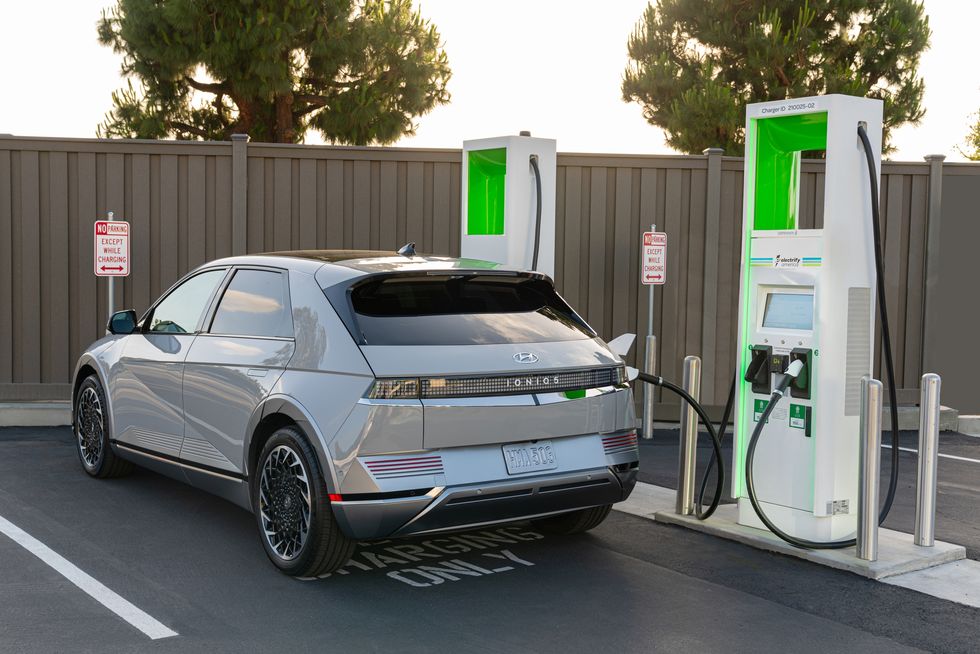
For batteries, extreme temperatures—both hot and cold—are their nemesis. Automakers figure this the advancement of their EVs, fitting them with the essential assistant cooling and warming frameworks to assist with keeping the temperature of the battery at OK levels.


Changing over power into mechanical energy makes intensity, and like gas vehicles, electric vehicles need to keep their powertrain parts cool to guarantee everything keeps on filling in as it ought to. Some people do this with air, while others use some kind of coolant or refrigerant to keep the parts from getting too hot.

In a similar manner, the binders of gasoline and electric vehicles are controlled by brake fluid. No matter what the powertrain of your vehicle is, it is necessary to flush and change this fluid on a regular basis. Ford recommends changing the brake fluid in the Mach-E and Lightning every three years, though replacement times vary depending on the vehicle and manufacturer.

Maybe this one's a bit obvious, but yes, you still need to replace the tires on your EV. In fact, you may even have to replace them more frequently. Partial blame goes to the extra weight of EVs (batteries are heavy). We suspect this is to help boost the range figure. But this decreases these all-season tires' lifespan. The ones mounted to our Model 3 required replacing after 30,000 miles and set us back a whopping $1157.