Economic Survey 2025–26: Agriculture at the Core of India’s Vision for a Developed Nation by 2047


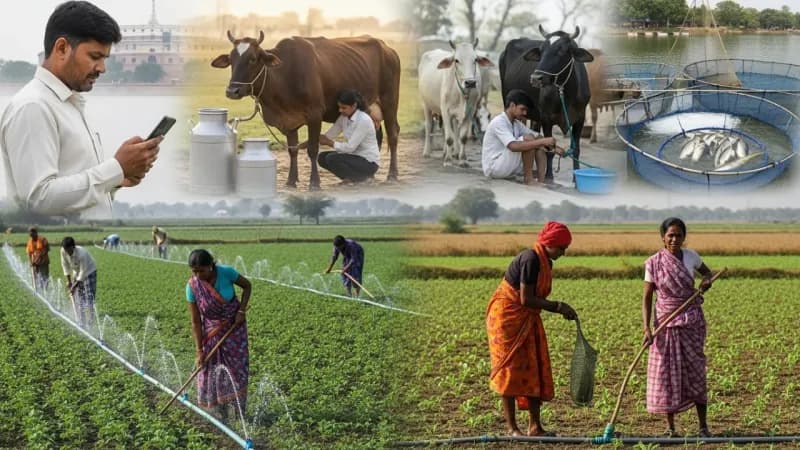
The Economic Survey 2025-26, recently tabled in Parliament, states that India's agricultural sector is crucial to the government's ambitious vision of making the country a developed nation by 2047. While there has been growth in agriculture in recent years, significant challenges remain in achieving sustainable development and improving productivity. Therefore, the Survey calls for several crucial reforms—such as restructuring the fertilizer sector, boosting research and development, strengthening irrigation systems, and promoting crop diversification.
The Importance of Agriculture: The Heart of the Economy
The Economic Survey highlights that agriculture, and allied activities contribute approximately 20% to the country's national income, but account for 46.1% of total employment. This makes the sector central to the nation's overall development trajectory. Over the past five years, the agricultural sector has registered an average annual growth of approximately 4.4%, with livestock and fisheries contributing significantly. In the second quarter of FY 2025-26, the agricultural sector grew by 3.5%. The Survey emphasizes that agriculture will play a pivotal role in achieving the "Viksit Bharat" (Developed India) goal, as it forms the basis for inclusive growth and improved livelihoods for millions.
Challenges: Climate Change and Water Scarcity
Despite the growth in agriculture, climate change poses significant challenges. Erratic weather patterns, rising temperatures, and extreme weather events are impacting crop production. Furthermore, water scarcity remains a serious problem in rain-fed areas.
Productivity Gap: Crop Yields Still Lagging
While India's agricultural growth is better than the global average (2.9%), the yields of several crops still lag behind global levels. These include cereals, maize, soybeans, and pulses. Improvements have been made in the irrigation sector—the gross irrigated area increased from 41.7% in 2001-02 to 55.8% in 2022-23. However, significant disparities persist across states and crops. For example, irrigation coverage is less than 15% for crops like millets, while it reaches nearly 67% for paddy.
Reduced Fertilizer Use: Distorted NPK Ratio
Efficiency in fertilizer use has not improved. The survey states that the NPK (Nitrogen-Phosphorus-Potassium) ratio has become skewed due to the increased use of nitrogenous fertilizers driven by price considerations. This impacts soil health and productivity.
Positive Initiatives: Cooperatives, Digital Platforms, and Value Chains
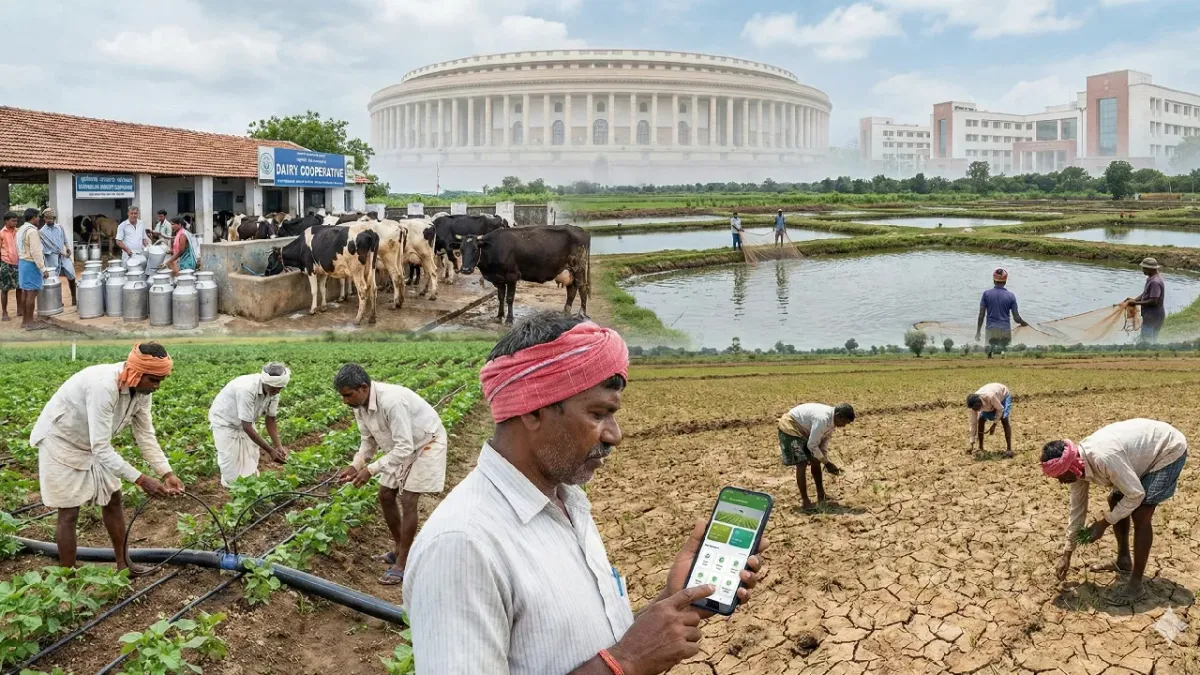
The government has strengthened cooperatives and FPOs (Farmer Producer Organisations) to provide farmers with access to credit, technology, and markets.
Digital initiatives such as the Digital Agriculture Mission and e-NAM have increased transparency in the market. India has also made good progress in dairy, poultry, fisheries, and horticulture, which are making significant contributions to the GDP.
New Opportunities, but Structural Challenges Remain
According to the survey, Indian agriculture is now entering a new phase of opportunities. Improved irrigation, digital extension services, better storage, and strengthening cooperatives and value chains can make agriculture more competitive. However, challenges such as small farm sizes, climate risks, productivity gaps, and weak market integration continue to put pressure on farmers' incomes.
The Way Forward: What Needs to Be Done?
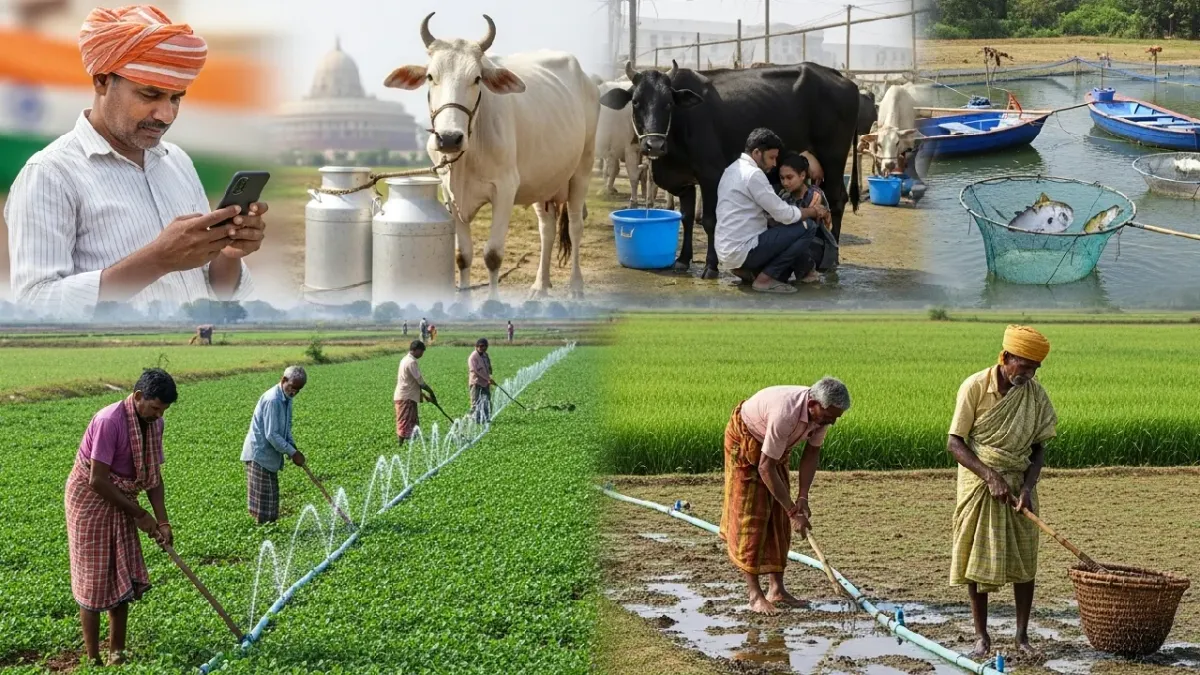
1. Deepening Reforms Furthering agricultural reforms is crucial for a sustainable increase in farmers' incomes.
2. Promoting Climate-Resilient Technologies - Sustainable farming practices, drip irrigation, water conservation, and climate-resilient seeds should be promoted.
3. Empowering FPOs - Strengthening FPOs is essential to ensure farmers have collective access to markets and better prices.
4. Market and Logistics Reforms - Improving market infrastructure and logistics (cold chain, storage) is necessary for farmers to receive fair prices for their produce.
5. Strengthening Risk Management - Protecting farmers from risks such as crop failure, natural disasters, and price fluctuations is crucial. Role of the Private Sector and Expansion of High-Value Crops
The survey states that increasing private sector participation in food processing, cold chains, and high-value agricultural products is crucial. This will enhance competitiveness in both domestic and export markets. Furthermore, the expansion of high-growth sectors such as horticulture, agroforestry, dairy, poultry, and fisheries is vital for rural employment and income.
Sectors Contributing to Increased Farmers' Income: Dairy and Fisheries
Although the dairy sector has seen improvements, the shortage of feed and fodder remains a significant challenge. The fisheries sector needs enhanced value addition and processing capabilities to diversify exports and reduce dependence on a limited range of products.
The Future of Agriculture in the Economic Survey: Hopes and Challenges
The Economic Survey 2025-26 projects a growth of 3.1% for agriculture and allied services in FY26. The survey identifies horticulture as a bright spot, contributing up to 33% of agricultural GVA. Horticultural production has increased from 280.7 million tonnes in 2013-14 to 367.72 million tonnes in 2024-25. India is also the largest producer of onions and ranks second globally in the production of vegetables, fruits, and potatoes.
Also Read - PM Kisan Yojana 2026 Update: eKYC, 22nd Installment and Farmer ID