/
/
The search term "Nazwa viral" has once again become one of the most searched topics across social media platforms like TikTok, Telegram, and X (formerly Twitter). As interest grows, cybersecurity experts are warning users not to trust the flood of links claiming to provide exclusive or "uncensored" content.

The search term "Nazwa viral" has once again become one of the most searched topics across social media platforms like TikTok, Telegram, and X (formerly Twitter). As interest grows, cybersecurity experts are warning users not to trust the flood of links claiming to provide exclusive or "uncensored" content.
According to online safety researchers, these links are part of a widespread clickbait scam designed to attract curious users and redirect them to unsafe websites. In most cases, the promised content does not exist, and the real goal is to generate advertising revenue, collect personal information, or trick users into downloading harmful software.

The recent surge in searches is connected to Indonesian content creator Nazwa Fidhia, also known online as Nazwaft. The phrase began trending after a privacy-related incident in 2021 that received significant attention on social media.
Although the incident was resolved years ago and Nazwa has since focused on creating lifestyle and beauty-related content, the keyword continues to appear in search trends. Cybersecurity observers say scammers often target old viral topics because they continue to attract large numbers of online searches.
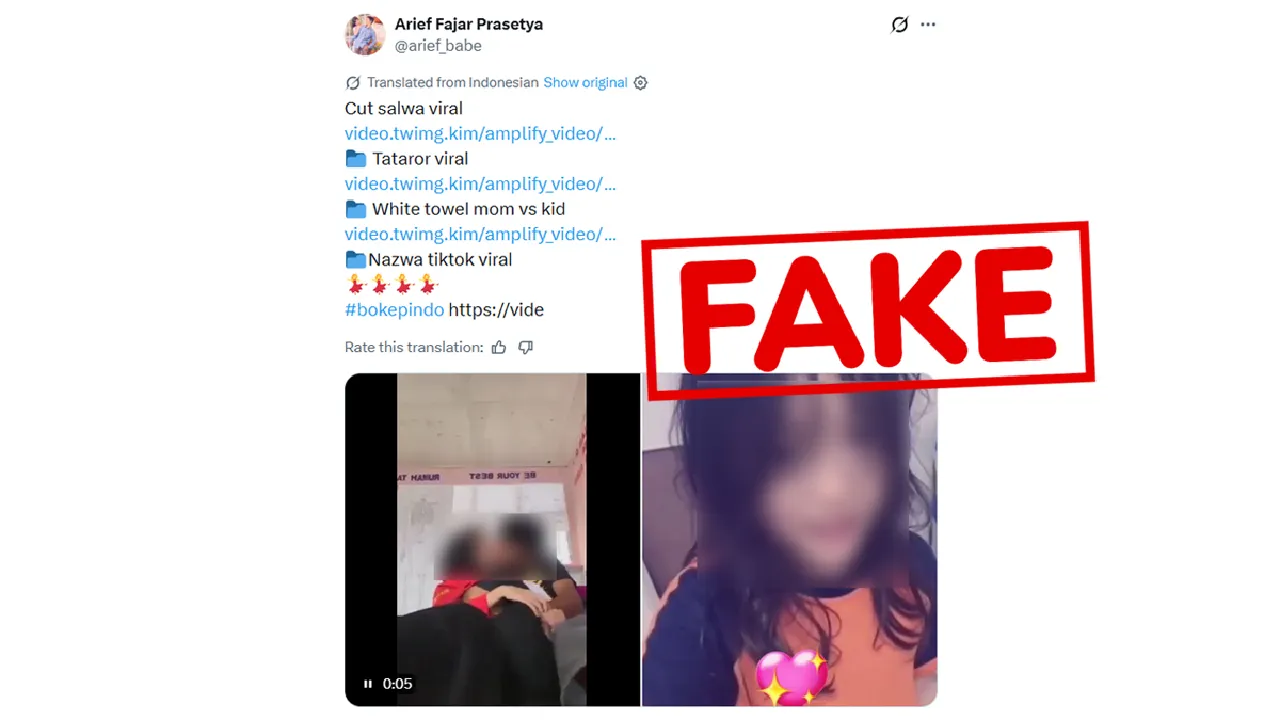
Cybercriminals frequently take advantage of viral searches by posting misleading messages across social media.
These posts often claim that "new footage" or "exclusive content" has recently surfaced. They usually include shortened web links or invitations to join private Telegram channels.
However, users who click these links typically experience one or more of the following:
In most cases, there is no exclusive content behind the links. Their primary purpose is to earn money through fake traffic or expose users to online scams.
Security experts say platforms like Telegram and X are frequently used because automated bots can easily post thousands of messages within minutes.
On X, automated accounts often reply to popular posts using trending keywords together with suspicious links.
On Telegram, scammers may create channels using the names of public figures or trending topics to attract subscribers. Once these channels gain enough followers, administrators often switch to promoting unrelated advertisements, investment schemes, or other deceptive offers.
This strategy allows scammers to profit from public curiosity without providing the content they advertise.
Experts recommend following a few simple precautions whenever a topic suddenly becomes viral online:
Following these basic steps can significantly reduce the risk of phishing attacks and malware infections.
Cybersecurity analysts explain that scammers often recycle old viral topics because search engines and social media algorithms continue to recognize them as popular keywords.
By using familiar names and sensational headlines, scammers increase the chances that users will click without verifying the source. This tactic has been used repeatedly with celebrities, influencers, and public figures across multiple countries.
As a result, online users should remain cautious whenever a sudden wave of posts promises leaked or exclusive content without evidence from reliable sources.
The latest rise in searches for Nazwa viral appears to be driven largely by automated spam campaigns rather than any verified new development. While curiosity around trending topics is common, cybersecurity experts encourage users to avoid suspicious links, especially those shared by anonymous or unverified accounts.
Staying informed, verifying information through credible sources, and reporting misleading posts can help reduce the spread of online scams and create a safer digital environment for everyone.
Disclaimer: This article is intended solely to explain the online trend and raise awareness about internet safety. It does not host, link to, promote, or encourage access to alleged leaked or explicit content. Readers are encouraged to respect individuals' privacy and avoid sharing or searching for non-consensual intimate material, which may have legal and ethical consequences.