Exposed! The Truth Behind the 'Marwadi Viral Video' Link That’s Stealing Data
Marwadi viral video full links are being used as phishing bait, with fake pages seeking passwords, personal data or downloads. Here’s how to stay safe.



If you've come across links promising a so-called "full" or "uncensored" Marwadi viral video, stop before you click. What's circulating across WhatsApp groups and social media right now isn't just salacious gossip, it's a trap. These links are being flagged as phishing bait, and clicking them could cost you a lot more than a few minutes of your time.
Here's what's actually going on, and why you should care.
There is no verified "full video." Let that sink in. The alleged footage has not been independently confirmed as authentic based on anything available for this report. A grainy clip or a screenshot floating around online doesn't prove anything, not who's in it, not the circumstances it was recorded under, and certainly not that a longer version exists somewhere.
What does exist, very clearly, is a web of suspicious links designed to exploit your curiosity.
Marwadi Viral Video Full Link: Is It Real?
Short answer: there's no evidence it is.
Posts and messages spreading online are leaning hard on phrases like "full video," "uncensored version," "original MMS," and "download link." But using those words doesn't make something real. It just makes it clickable, and that's the entire point.
The Marwadi viral video full link being shared isn't a door to exclusive content. It's bait. And what happens after you click is the actual story here.
These links typically push users through a chain of unfamiliar domains before landing them on a page that looks like it's about to deliver the goods. It never does.
How the Marwadi Viral Video Scam Works
This follows a playbook that cybercriminals have used over and over again with trending topics.
It usually starts small, a clip, a screenshot, a vague post. Then comes the hook: "The full video is available here." You click. You're taken somewhere that looks oddly familiar, maybe mimicking YouTube, a social media login, or a file-sharing site.
Then the page asks you to do one or more of the following:
- Hand over your email address, username, or password
- Fill out a "verification" form with personal details
- Complete a survey before "unlocking" the content
- Download an app or file
- Click through several more redirects
Each of these steps is designed to either steal your credentials, install something unwanted on your device, or pull you deeper into a fraud chain.
India's National Cyber Crime Reporting Portal specifically allows users to flag suspicious URLs, WhatsApp numbers, Telegram handles, phone numbers, email addresses, and social media profiles. If you encounter one of these links, that's the place to report it.
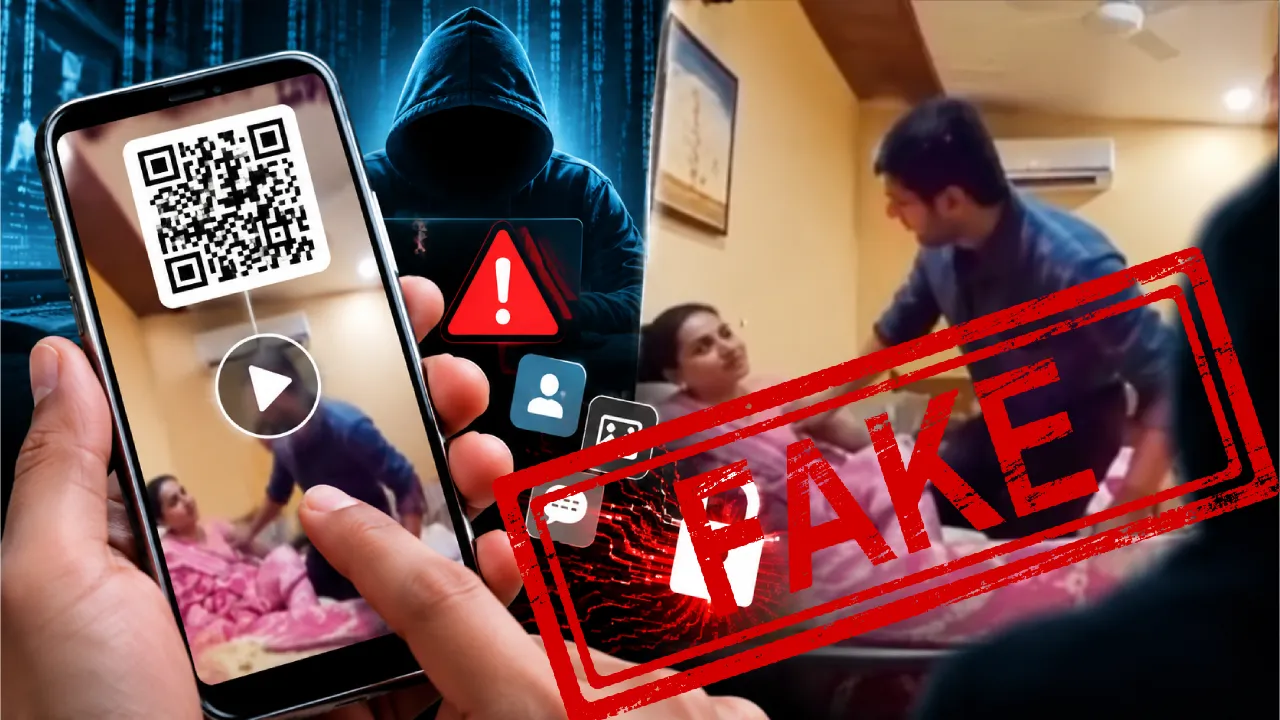
Why Viral Video Claims Are Used as Phishing Bait
Because curiosity is powerful, and scammers know it.
When something feels exclusive, forbidden, or supposedly "leaked," people tend to act fast and think later. That split-second impulse is exactly what these campaigns exploit. By the time someone realizes they've handed over a password or downloaded a file they didn't need, the damage is already done.
This is also worth remembering about the clips themselves: seeing a short video shared widely online is not the same as that video being real, properly attributed, or accurately representing whatever claim is being made alongside it.
What Happens If You Click a Fake Viral Video Link?
It varies. Sometimes you just get bounced through a series of pointless redirects. Other times, the site is actively fishing for your login details or nudging you to install something.
Red flags to watch for include:
- A domain name that looks off or unfamiliar
- Multiple redirects before you ever reach the supposed video
- A prompt asking for your social media or email password
- A demand to install an unknown app
- An unfamiliar file being pushed for download
- Urgent messaging like "this link expires in 10 minutes"
- A sender or account you've never interacted with before
Legitimate journalism doesn't ask you to hand over your passwords to verify a story. If a page is demanding that, you already know something's wrong.
What To Do If You Clicked the Marwadi Viral Video Link
First: close the tab. Don't fill in any forms, don't download anything.
If you already entered a password, go directly to that service's official website or app and change it immediately. And if you've used that same password on other accounts, change those too. Turn on two-factor authentication while you're at it.
If something was downloaded, don't open it. Run a full security scan on your device first.
To report what happened, India's National Cyber Crime Reporting Portal lets you file a cybercrime complaint online. The national cybercrime helpline number is 1930, and authorities recommend calling immediately for anything involving financial fraud. You can also report suspicious URLs directly through the portal's "Report Suspect" section.
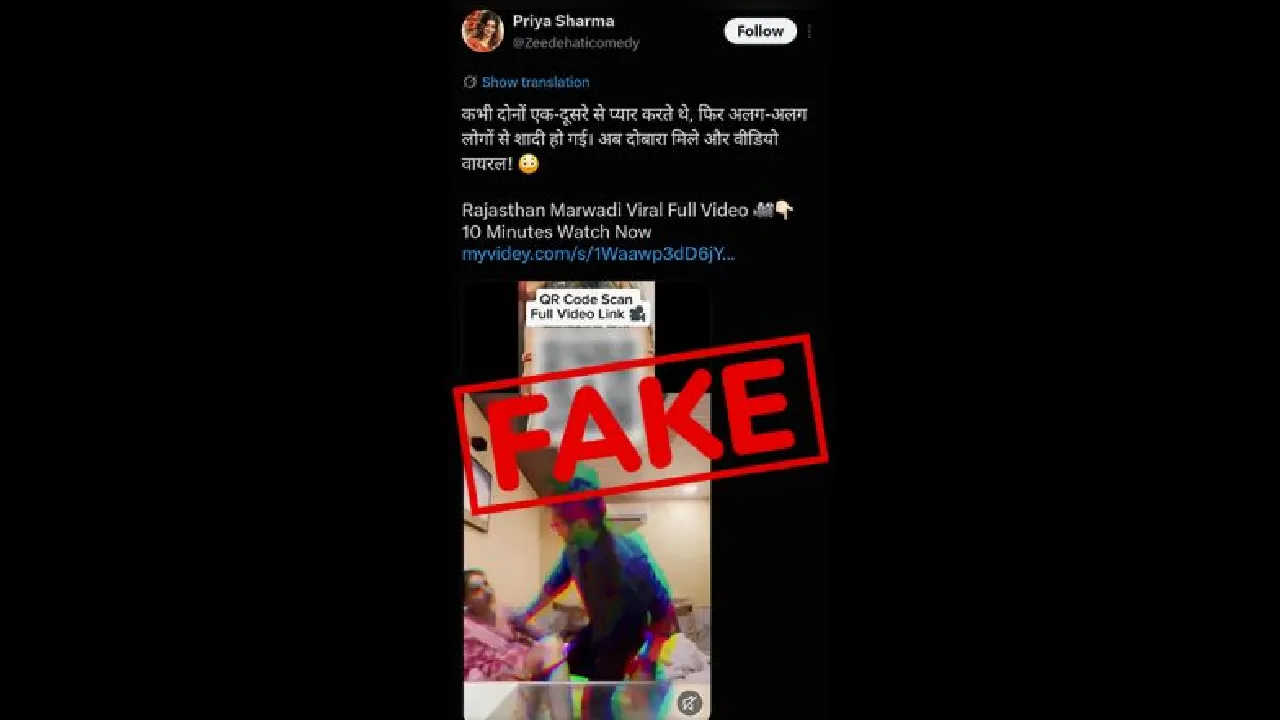
Marwadi Viral MMS: What Is the Fact-Check Verdict?
The alleged Marwadi viral MMS and every link claiming to show the complete footage should be treated as unverified, because that's exactly what they are.
Nothing reviewed for this report confirms the existence of an authentic full video matching what's being claimed online. What does match, precisely, is the pattern of a viral video phishing scam: sensational topic, urgent language, suspicious link, and a page that wants something from you before it delivers anything.
The smartest thing you can do is simple: don't search for it, don't share it, and don't give your personal information to any website you landed on through one of these links.
Viral stories come and go. A compromised account or an infected device sticks around a lot longer.
Disclaimer: This article exists solely to raise awareness about online scams and cybersecurity risks. StackUmbrella does not host, share, or link to allegedly private or sexually explicit material. Do not search for, download, or share alleged intimate content. No individual shown in any purported private footage should be identified or targeted based on unverified online claims.