/
/
Banyuwangi Police detained a 17-year-old student in the viral 'Yang Wes Yang' case and are now tracking those who shared the explicit clip online.
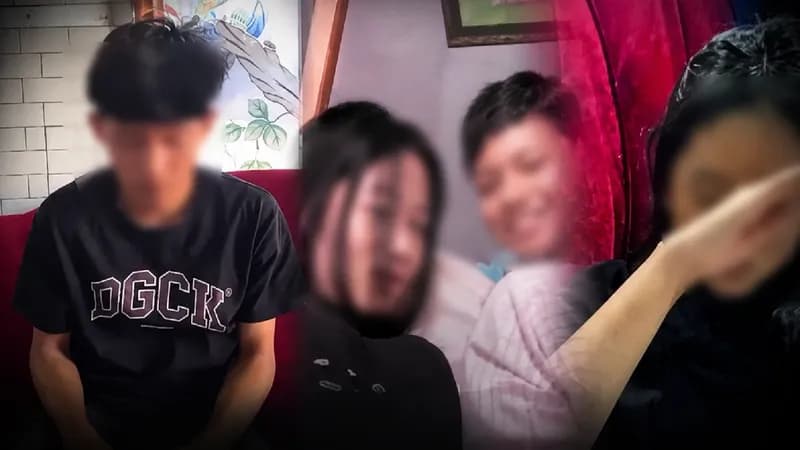
There's a lot to unpack in the Banyuwangi Viral Video Case that has been making headlines across Indonesia and beyond. Banyuwangi Police have named a 17-year-old vocational school student, identified only as MD, as a suspect after an explicit clip, widely known as the "Yang Wes Yang" clip, started spreading rapidly across social media. On top of that, a separate investigation is now underway to track down everyone who played a role in uploading and sharing the video.
The case has drawn attention far beyond the region, largely because minors are at the center of it. Police have been clear and consistent in one message to the public: do not search for, download, or share this video. Doing so could put you on the wrong side of Indonesian law.
Banyuwangi Police confirmed that MD was formally named a suspect after the family of the female minor involved came forward and filed a complaint. Before making the arrest, investigators spoke with multiple witnesses and gathered both digital and physical evidence. The teenager has reportedly been in custody since August 1.
The case is being pursued under Indonesia's Child Protection Law, specifically Article 81(2), alongside relevant provisions of the country's revised Criminal Code. If convicted, MD could face anywhere between three and fifteen years in prison. Since the suspect is still a minor, investigators are also working within Indonesia's juvenile justice framework throughout the process.
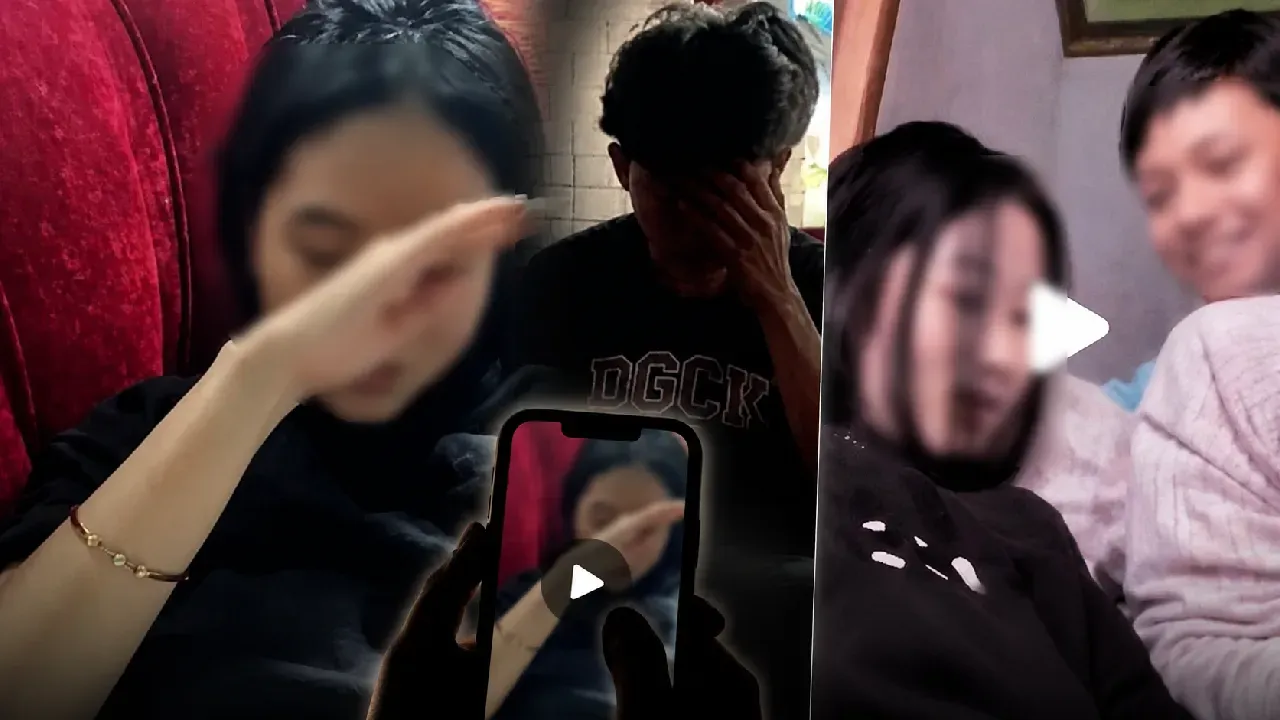
The case doesn't stop with the suspect. Banyuwangi Police have opened a parallel investigation to identify the people who uploaded and spread the explicit content across messaging apps and social media platforms.
Authorities have made it clear that distributing explicit material involving minors is treated as its own criminal offense, separate from what the suspect is being charged with. Those found responsible could face consequences under Indonesia's ITE Law (Information and Electronic Transactions Law). Police have again urged the public to stop forwarding or reposting the clip, pointing out that every share causes further harm to the victims and could carry real legal consequences for the person doing it.
Before being taken into custody, MD recorded and released a public apology, expressing remorse for what happened and for the unwanted attention it brought to his school. He stated that the apology was made of his own free will, without any pressure from outside parties.
The video spread quickly online as public conversation around the Banyuwangi Viral Video Case continued to grow. Around the same time, an audio clip featuring the phrase "Yang Wes Yang" began showing up widely on TikTok, WhatsApp, and other platforms, turning the phrase into a viral meme, even as the situation behind it remained deeply serious.
Officials confirmed that the girl involved has since withdrawn from her school. The decision followed discussions between her family and education authorities, along with counseling sessions. Her parents ultimately made the call, with the goal of shielding her from further public exposure and protecting her mental well-being.
School officials also clarified that the incident had nothing to do with the school itself, it did not take place on campus or during any school-related activity.
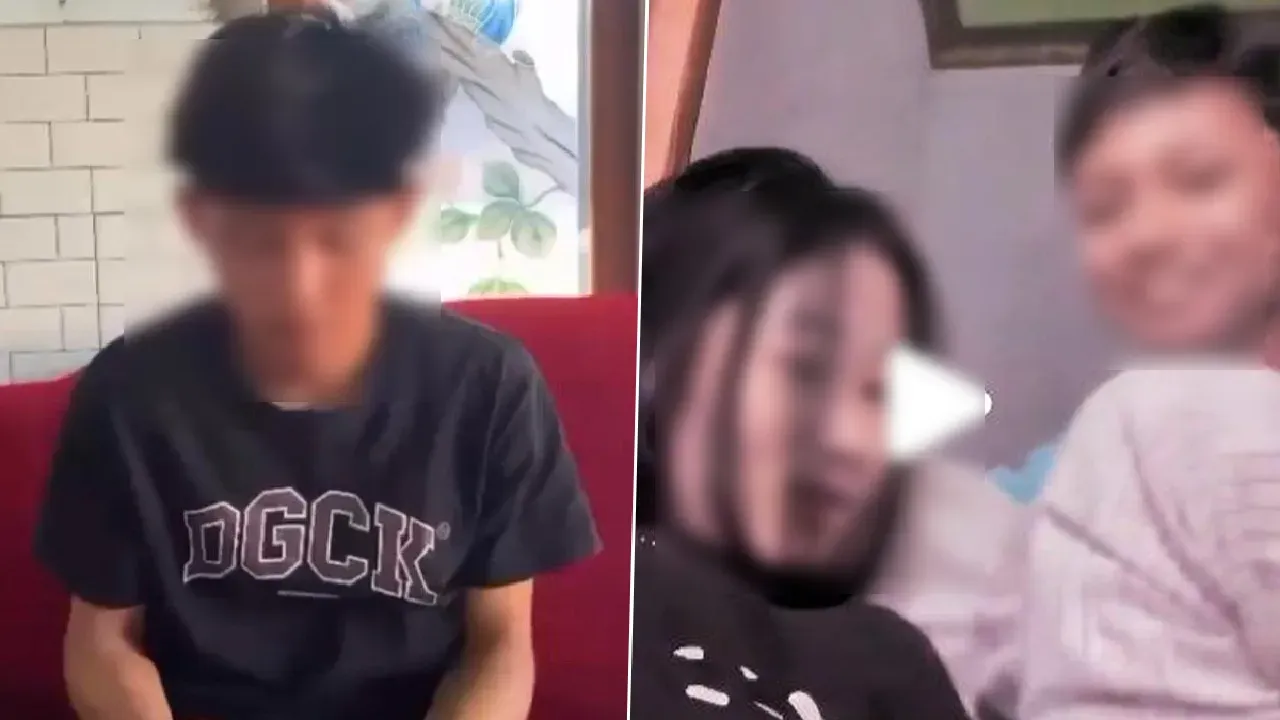
Law enforcement has been consistent throughout this case: protecting the identities and privacy of the minors involved is the top priority.
People are being asked not to search for, download, or share the explicit material, and not to reveal the identities of those involved. Anyone with information relevant to the investigation has been encouraged to bring it directly to police rather than discuss it publicly.
The Banyuwangi Viral Video Case is still under active investigation. Authorities say further legal action against those responsible for distributing the Yang Wes Yang clip remains a strong possibility as the probe moves forward.
Disclaimer: This article is intended solely to report verified developments in a public-interest case. It does not host, promote, or provide access to explicit content. Readers are strongly advised not to search for or share material involving minors, as doing so may violate the law and cause further harm to those involved.