

/
/
Xiaomi 17 launches with Leica camera, Snapdragon 8 Elite Gen 5 chip and 6330mAh battery. The flagship phone aims to challenge premium smartphones in India.
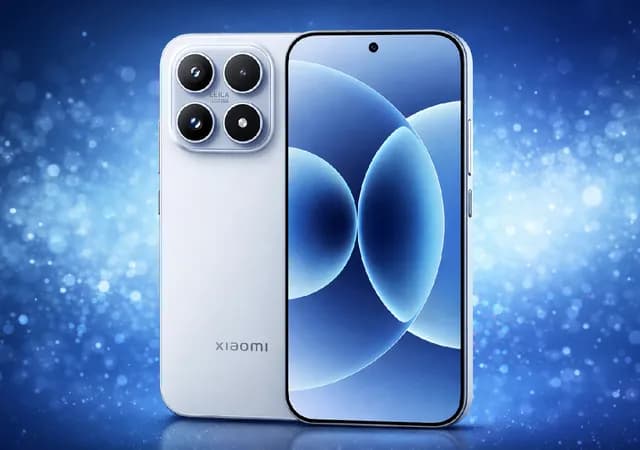
Xiaomi is once again trying to shake up the flagship smartphone market with the Xiaomi 17, a device that blends powerful hardware, Leica camera technology, and a surprisingly compact design.
The company has confirmed that the Xiaomi 17 series will debut in India on March 11, just weeks after its global unveiling at Mobile World Congress 2026. Alongside it, Xiaomi will also introduce the Xiaomi 17 Ultra and Xiaomi Pad 8 as part of its expanding premium ecosystem.
But here’s the bigger story: Xiaomi is no longer just the “value-for-money” brand. With the Xiaomi 17, it’s clearly aiming at the premium league dominated by Apple, Samsung, and Google.
And honestly, the specs suggest Xiaomi might finally have a real contender.
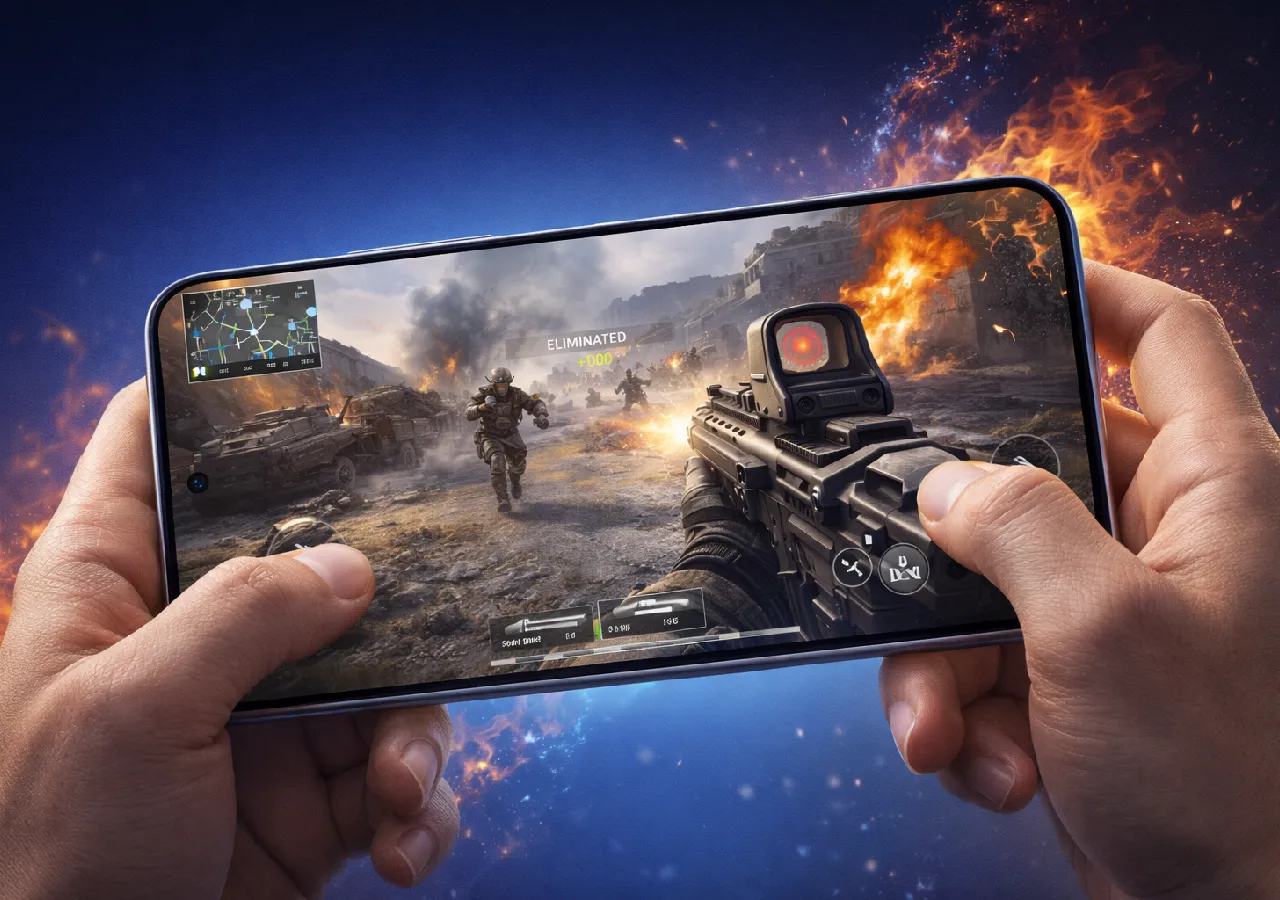
The Xiaomi 17 is powered by the new Snapdragon 8 Elite Gen 5 mobile platform, built on a 3nm process. That alone signals serious performance ambitions.
The chipset delivers up to 20% faster CPU performance, 23% improved GPU performance and nearly 37% better AI processing.
Combined with LPDDR5X RAM and UFS 4.1 storage, the phone is clearly made for heavy multitasking, gaming, and AI-driven features.
In my view, this is exactly the kind of hardware needed if Xiaomi wants to compete with flagship devices like the iPhone Pro or Samsung Galaxy Ultra series.
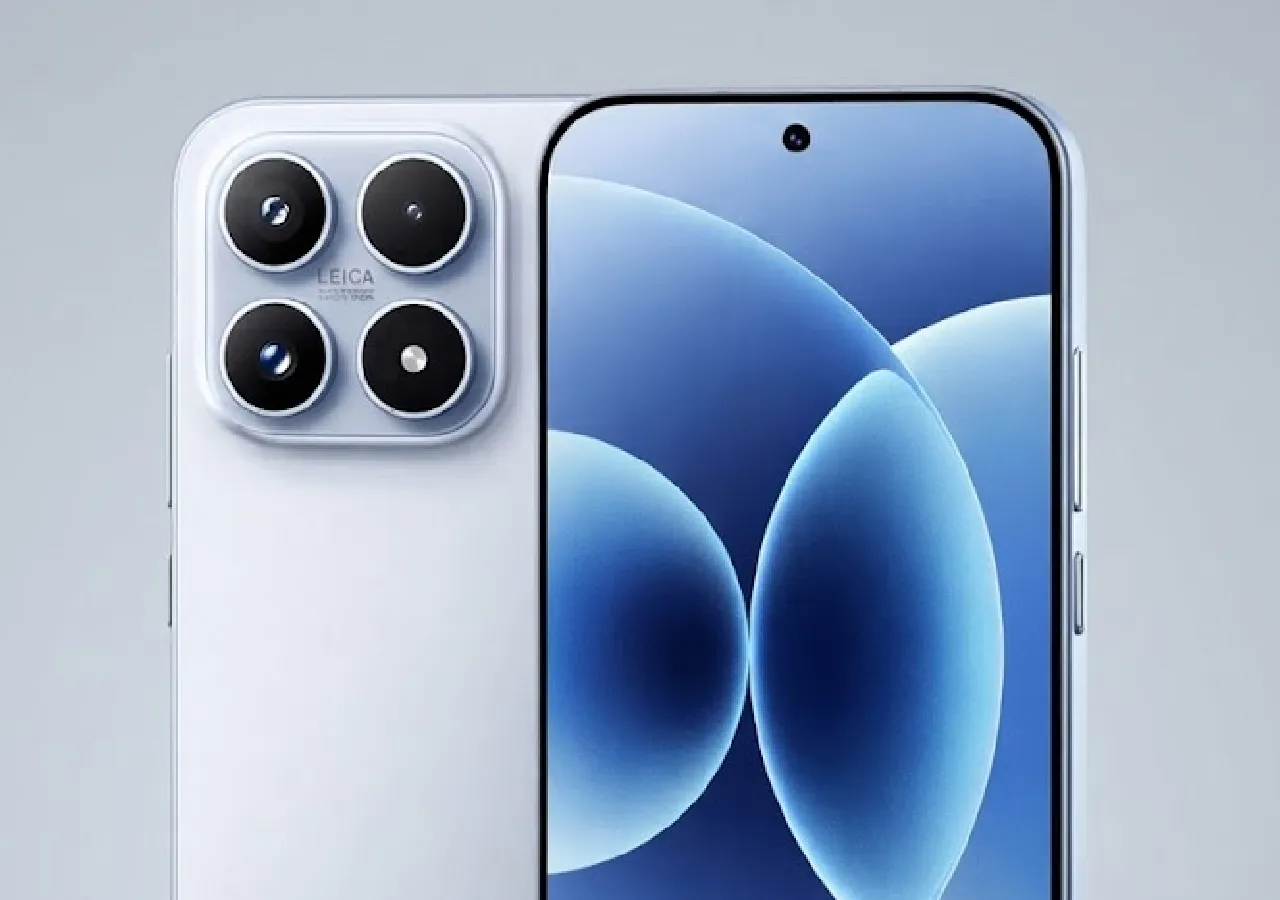
The Xiaomi 17 camera setup is one of its most important highlights, thanks to Xiaomi’s continued collaboration with Leica.
The triple-camera system includes:
The main sensor uses the Light Fusion 950 sensor, a large 1/1.31-inch sensor designed for better low-light and HDR photography.
Xiaomi says the camera can capture richer shadows, more natural skin tones, and better night portraits.
There’s also 8K video recording, Dolby Vision video support, and AI image processing, features clearly targeted at content creators.
For a compact flagship, that’s a serious camera package.
Battery performance is another area where the Xiaomi 17 tries to stand out.
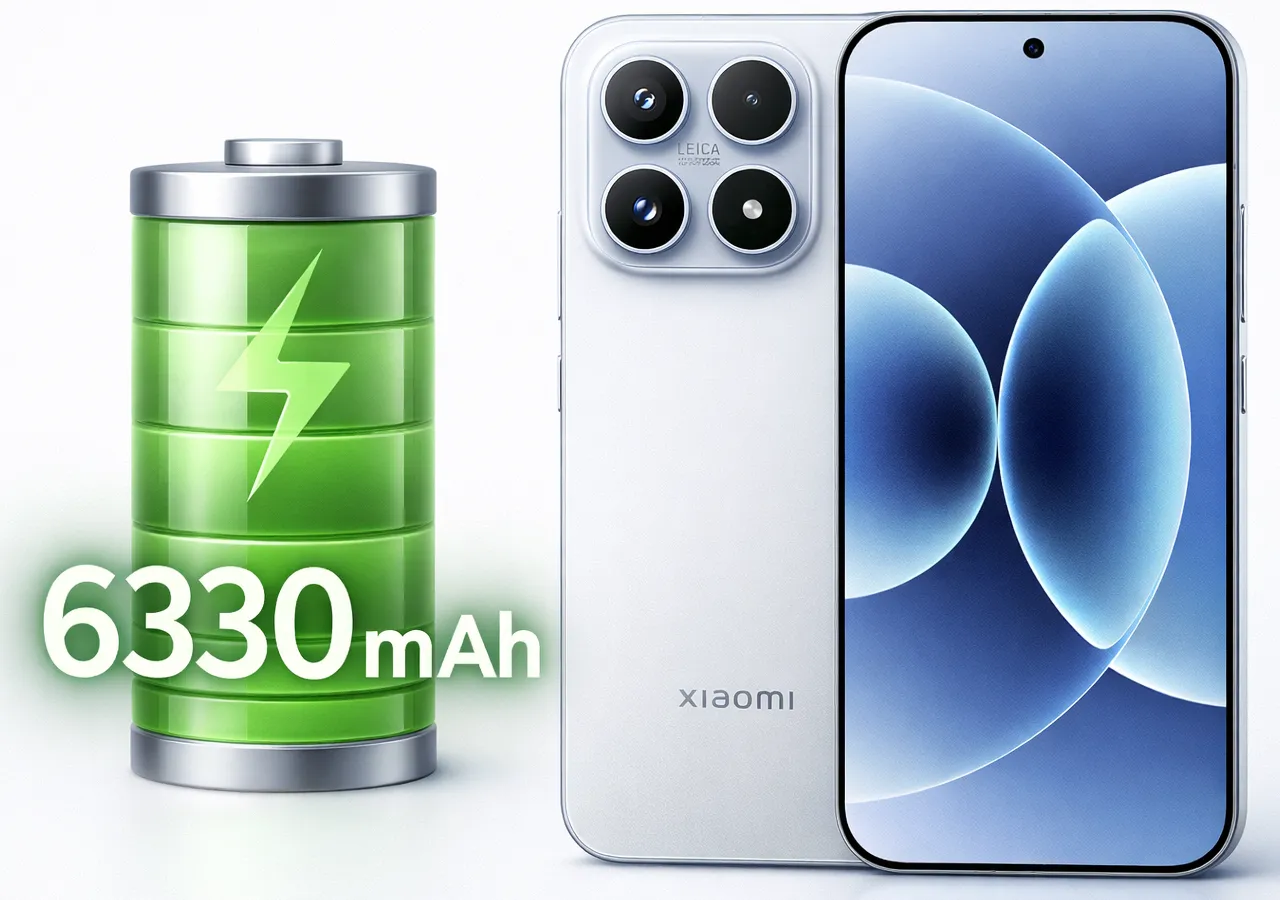
The phone packs a 6330mAh silicon-carbon battery, which is significantly larger than most flagship smartphones.
Xiaomi claims the phone can deliver:
Charging is equally impressive:
In simple terms, battery anxiety shouldn’t exist on this device.
While many flagship phones are getting bigger every year, the Xiaomi 17 goes in the opposite direction.
It features a 6.3-inch LTPO AMOLED display, making it one of the few compact premium phones available.
Key display specs are listed here:
The ultra-thin 1.18mm bezels help deliver an immersive viewing experience despite the compact size.
Honestly, this might be one of the most balanced flagship displays of the year.
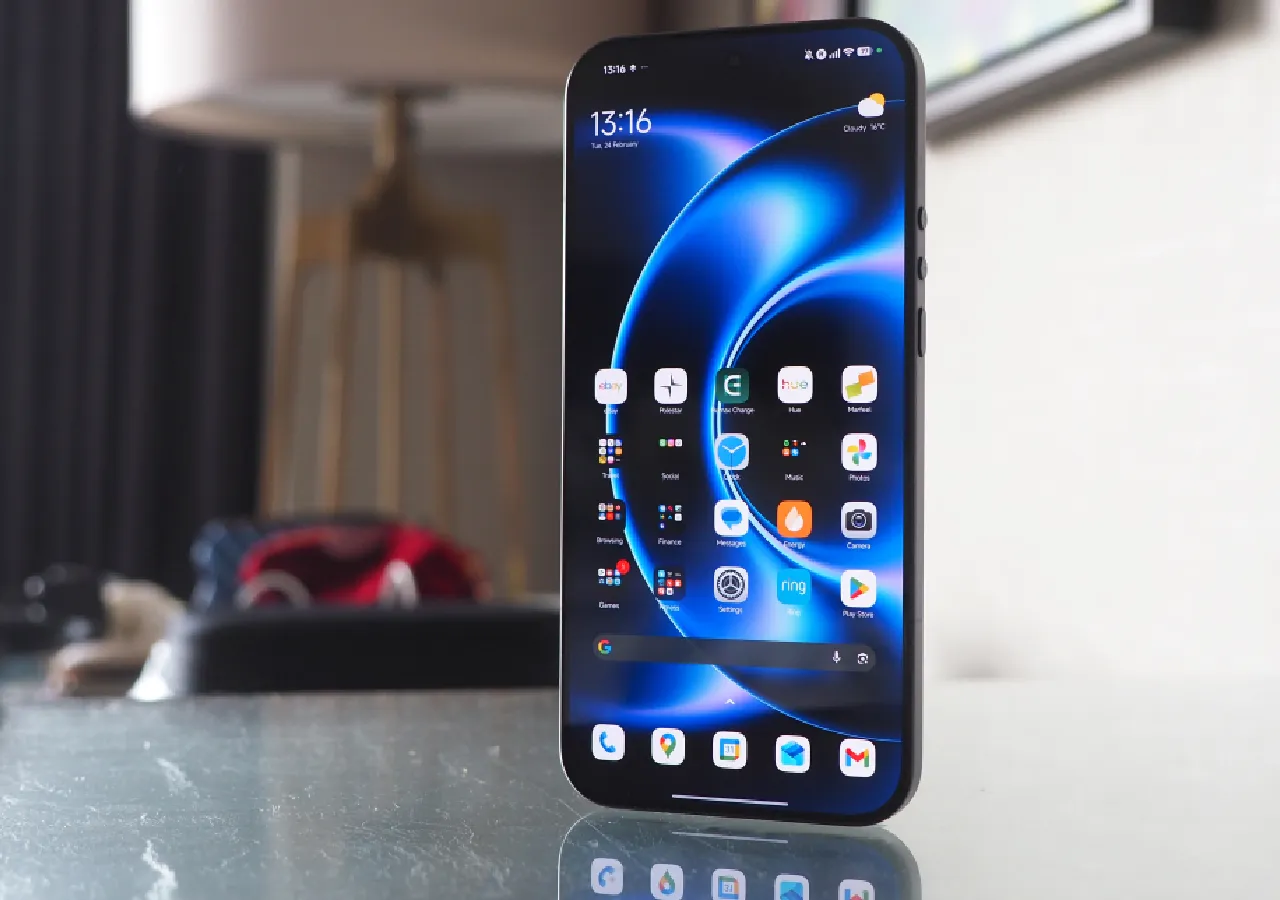
The Xiaomi 17 is not just another smartphone launch, it’s part of Xiaomi’s bigger strategy in India.
For years, Xiaomi dominated the budget and mid-range markets. But the company is now aggressively moving into the premium segment, where higher margins and brand prestige exist.
Executives have already said the company plans to ship larger volumes of the Xiaomi 17 series in India, unlike previous flagship launches that sold out quickly.
The goal is clear: Xiaomi wants to be seen as a premium brand, not just a budget champion.
Globally, the Xiaomi 17 starts at around €999 (roughly ₹1.07 lakh), while the Xiaomi 17 Ultra is priced at about €1,499 (₹1.61 lakh).
The smartphone will be available in multiple colors including:
In India, the lineup is expected to launch on March 11, with sales likely starting soon after.
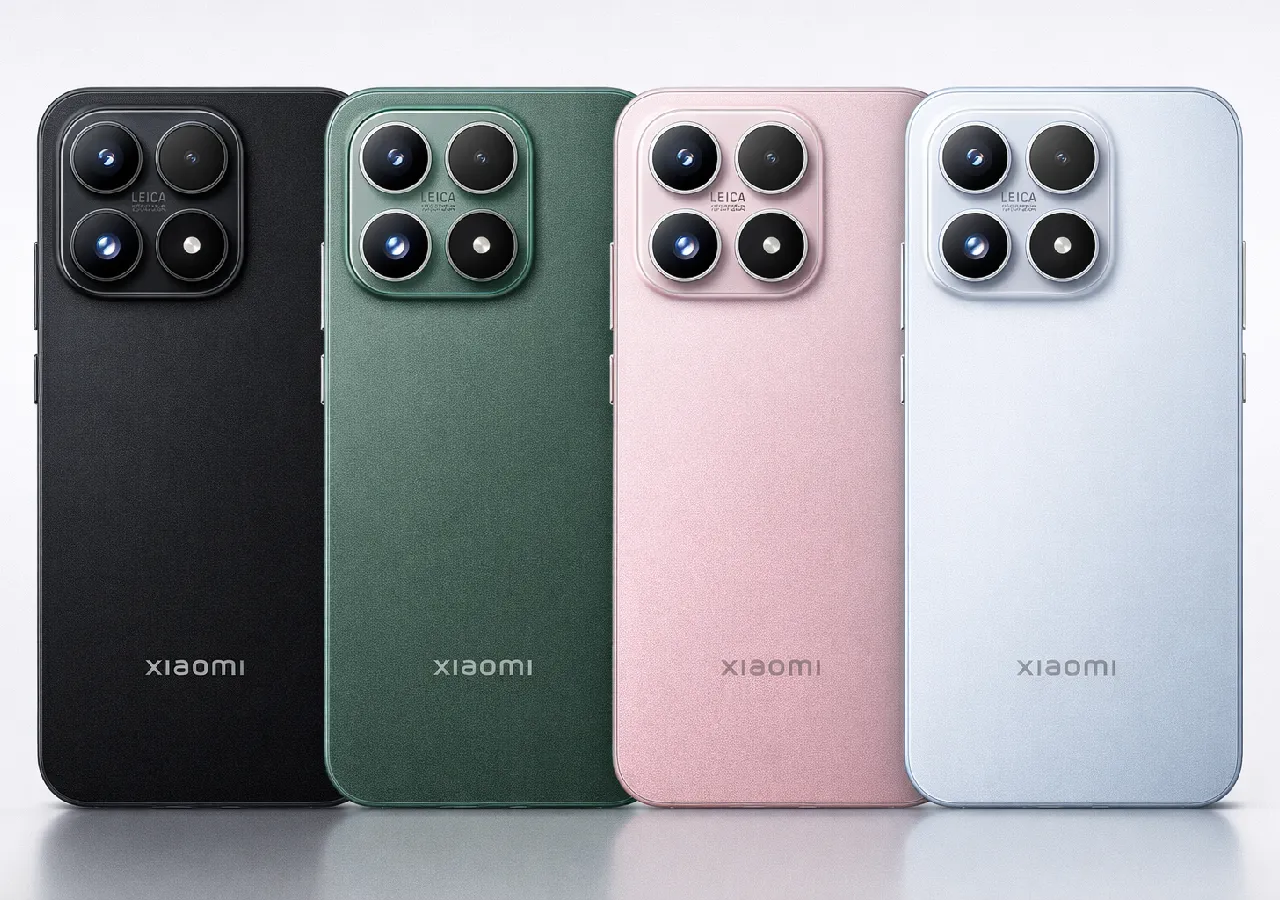
The Xiaomi 17 looks like Xiaomi’s most confident flagship yet.
Between the Leica camera system, Snapdragon 8 Elite Gen 5 processor, massive battery, and compact design, it checks almost every box for a premium smartphone.
But the real question is whether buyers in India, who still think of Xiaomi as a budget brand, are ready to pay more than ₹1 lakh for a Xiaomi phone.
The Xiaomi 17 could really shake up the premium smartphone market if Xiaomi can convince buyers that this is a real flagship experience.










