/
/
Unitree R1 global launch begins via AliExpress, bringing the cheapest humanoid robot to global buyers. Check price, features, and market impact.
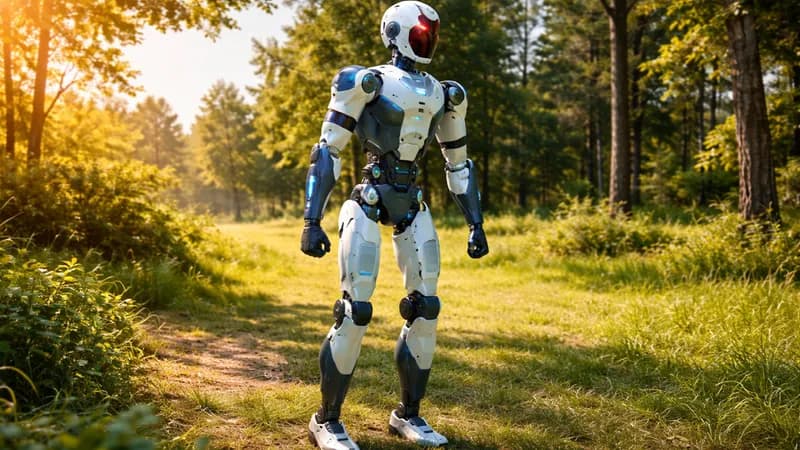
The Unitree R1 global launch is not just another tech update, it’s a clear signal that humanoid robots are finally stepping out of labs and into everyday markets. And honestly, this moment feels bigger than it looks.
China-based Unitree Robotics is preparing to roll out its most affordable humanoid robot, the R1, across international markets starting next week. But what truly stands out isn’t just the price, it’s how the company is selling it. Instead of limiting access to enterprises, Unitree is going straight to consumers through AliExpress.
That’s a bold move, and possibly a game-changer.
Let’s talk about the robot itself.
The R1 was first introduced in China in 2025 at a starting price of 29,900 yuan (roughly $4,370), making it one of the cheapest humanoid robots currently available. Global pricing hasn’t been officially announced yet, but expectations are clear, Unitree will keep it aggressive.
Here’s what makes the R1 interesting:
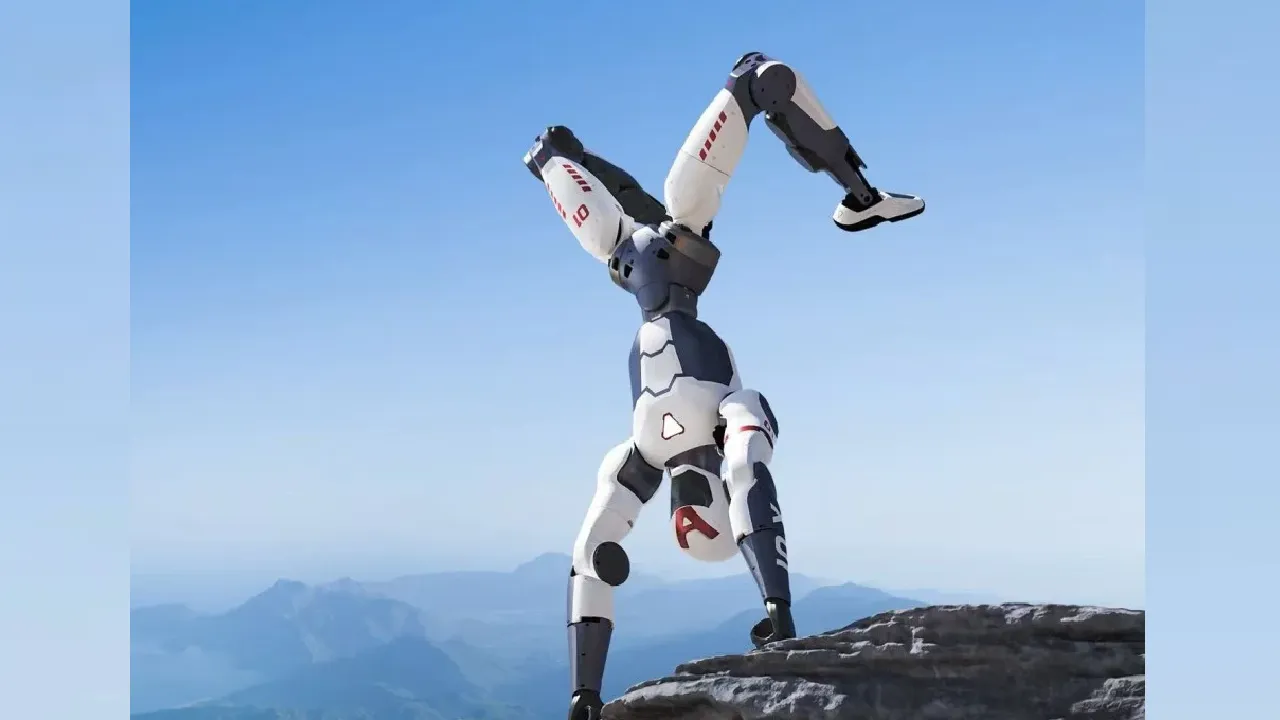
Unlike many humanoid robots designed for factories or warehouses, the R1 focuses on mobility and agility. It’s less about lifting boxes and more about mastering movement, and that’s actually a smart shift.
Because let’s be real, people don’t get excited about robots stacking shelves. They get excited when robots move like humans.
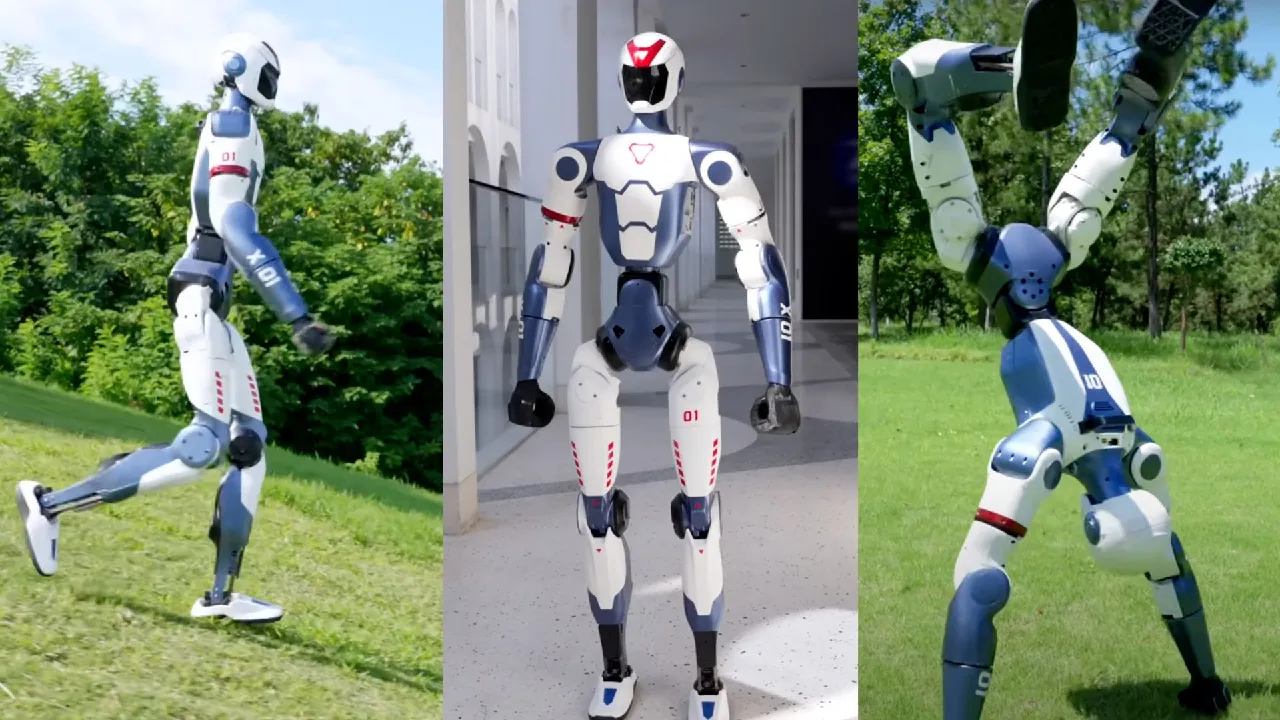
The biggest disruption in the Unitree R1 global launch isn’t the robot, it’s the distribution strategy.
Traditionally, humanoid robots have been sold through research contracts, enterprise deals as well as government or institutional buyers. Unitree is flipping that model.
By launching the R1 on AliExpress and joining Alibaba’s Brand+ channel, the company is making humanoid robots accessible to Developers, Educators, Startups and Early tech adopters, And yes, even curious consumers. This shift matters. A lot.
Because once a product becomes easy to buy, adoption speeds up. We’ve seen this with smartphones, drones, and even 3D printers. Robotics could be next.
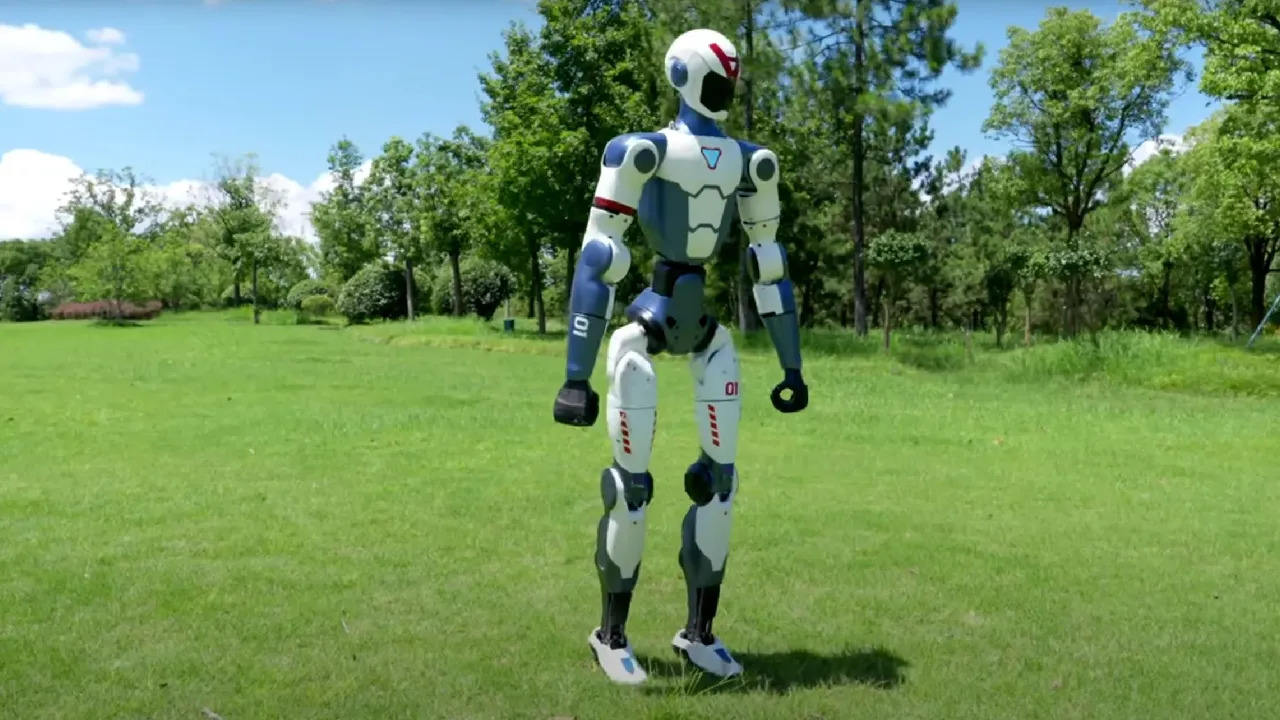
The initial phase of the launch will cover major markets, including North America, Europe, Japan and Singapore. More regions and sales channels are expected soon.
Unitree is clearly targeting international demand again, especially after overseas revenue dipped to 39% in 2025 (down from over 50% in earlier years). This launch feels like a direct attempt to regain that momentum. And honestly, it might work.
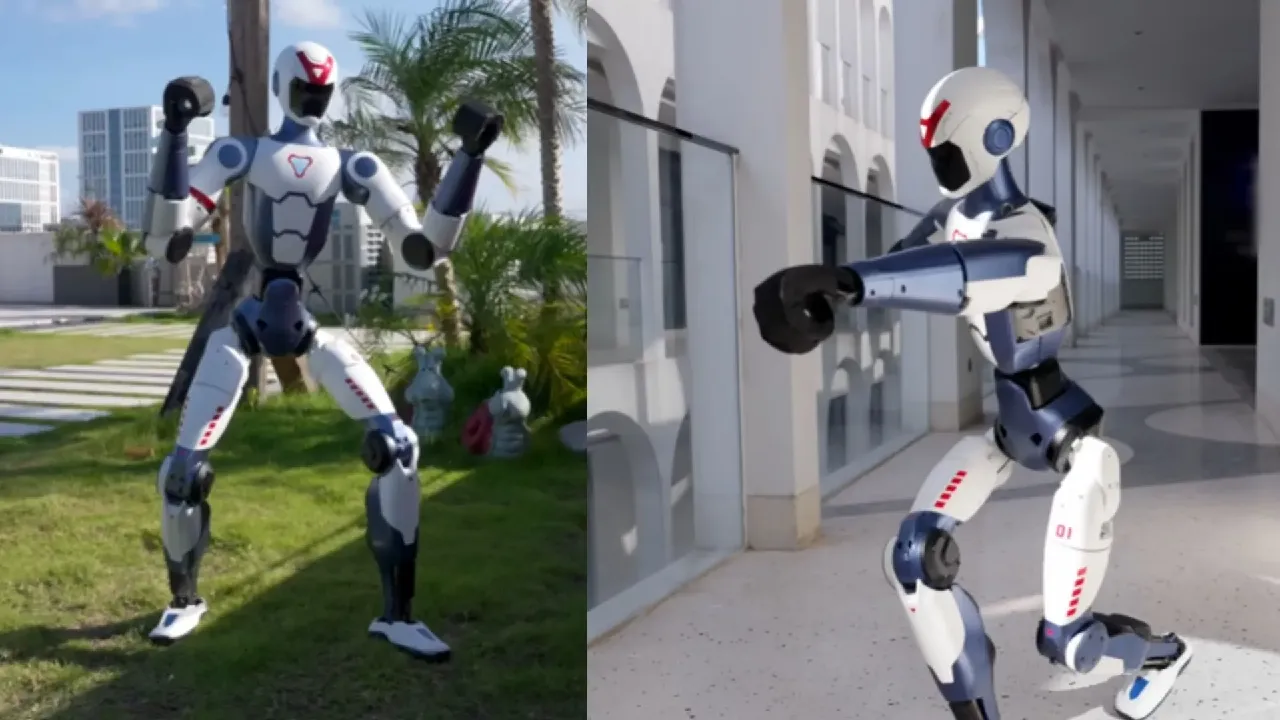
Here’s where things get even more interesting.
Unitree isn’t just experimenting, it’s scaling fast.
Compare that to competitors like Tesla, Figure AI, and Agility Robotics, each delivering only around 150 units last year. That’s not even close.
The reason? Cost.
Unitree sources over 80% of its components locally in China, dramatically lowering production expenses. While some humanoid robots cost up to $300,000 globally, Unitree is playing in the sub-$5,000 category. That’s not competition, that’s disruption.
Let’s be clear, we’re still early in the humanoid robotics journey.
The R1 isn’t going to replace human jobs tomorrow. It’s not a household assistant (yet). And it’s definitely not perfect.
But it represents something bigger, a shift from industrial robotics to consumer robotics.
If Unitree's online-first strategy works, we could see faster adoption around the world, more affordable humanoid robots and more competition that leads to new ideas.
I think this is how tech revolutions start, not with perfection, but with ease of use.
The Unitree R1 global launch feels like a turning point. It’s not just about a cheaper robot. It’s about breaking barriers, pricing barriers, access barriers, and even perception barriers. For the first time, humanoid robots are not just something you read about in research papers or watch in tech demos. They’re becoming something you can actually buy online. And once that happens, there’s no going back.