/
/
AGIBOT unveils full humanoid robot lineup at MWC 2026 and launches €899 rental service across 17 countries, expanding embodied AI into Europe.
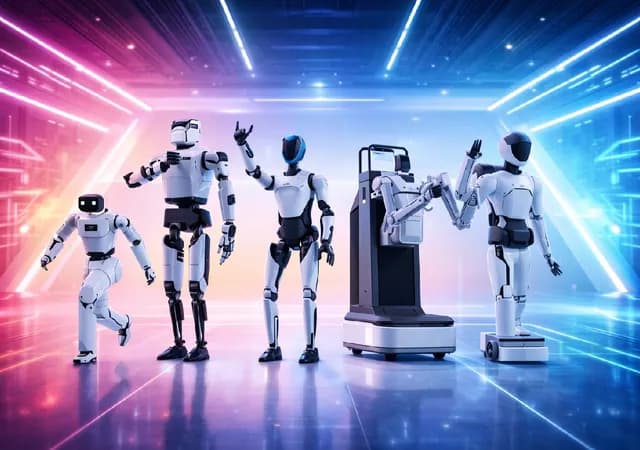
AGIBOT has made one thing very clear at Mobile World Congress 2026: humanoid robots are no longer future concepts. They are here, rentable, deployable, and aggressively entering Europe.
The embodied AI company unveiled its complete humanoid robot ecosystem at MWC 2026 and launched a global Robot-as-a-Service (RaaS) model starting at €899. If this feels like a turning point for robotics adoption, that’s because it probably is.
And yes, this is a big deal.
Unlike flashy tech demos that disappear after expos, AGIBOT presented real, commercially deployable systems. The company showcased integrated applications for retail, manufacturing, logistics and service industries, not just robots standing still on stage.
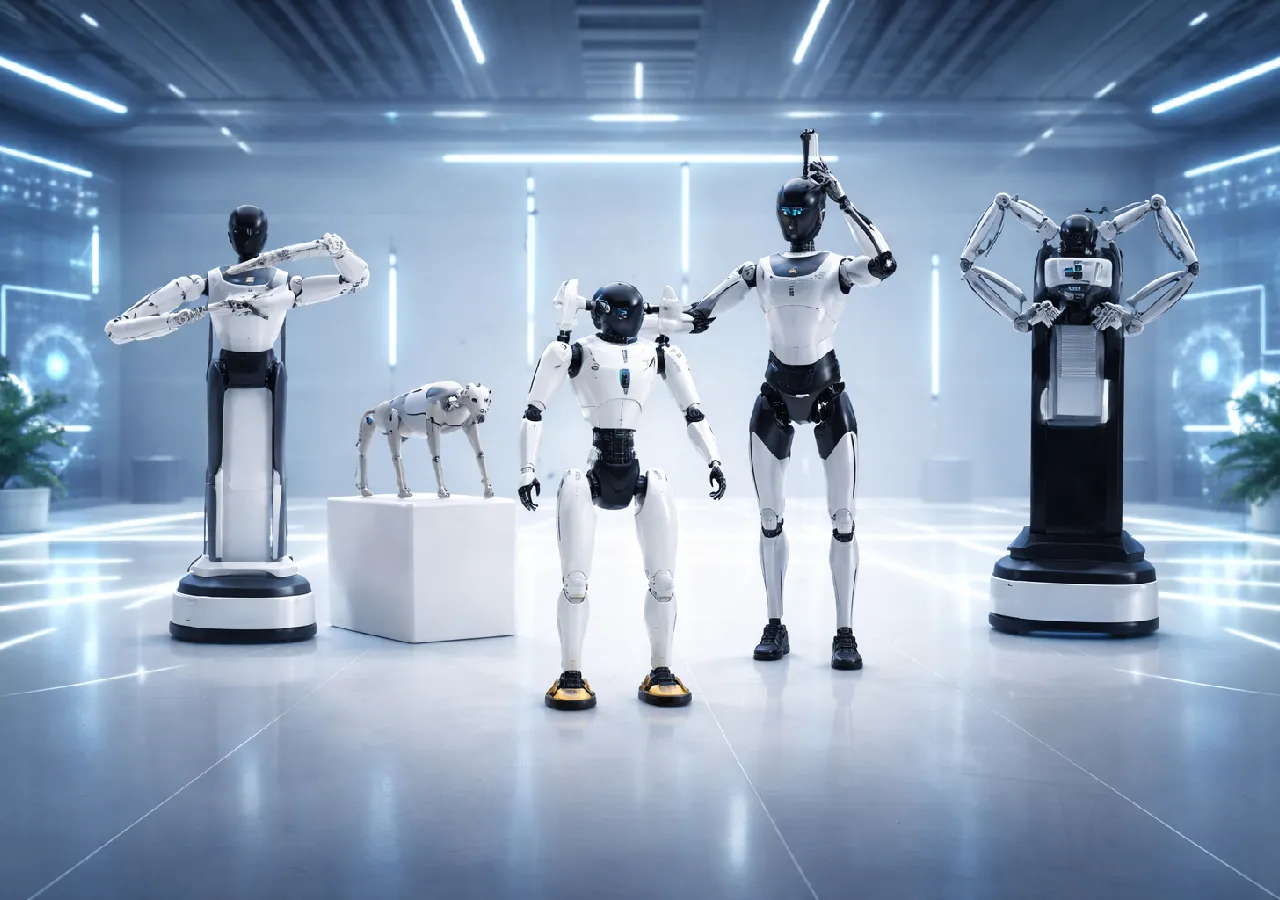
Its portfolio includes the following:
This wasn’t about one hero product. AGIBOT demonstrated a connected robotic ecosystem ready for real-world deployment.
In my view, that ecosystem approach is what separates serious robotics companies from overhyped startups.
Here’s where AGIBOT changes the conversation.
At MWC 2026, the company officially launched its global online store (store.agibot.com), offering direct purchase and leasing options. But the headline move is the Robot-as-a-Service (RaaS) platform.
Key details are listed here:
This flexible rental model lowers the barrier dramatically. Businesses can deploy humanoid robots for events, marketing campaigns, retail assistance, or logistics pilots without massive upfront investment.
Frankly, that’s smart. Ownership slows adoption. Access accelerates it.
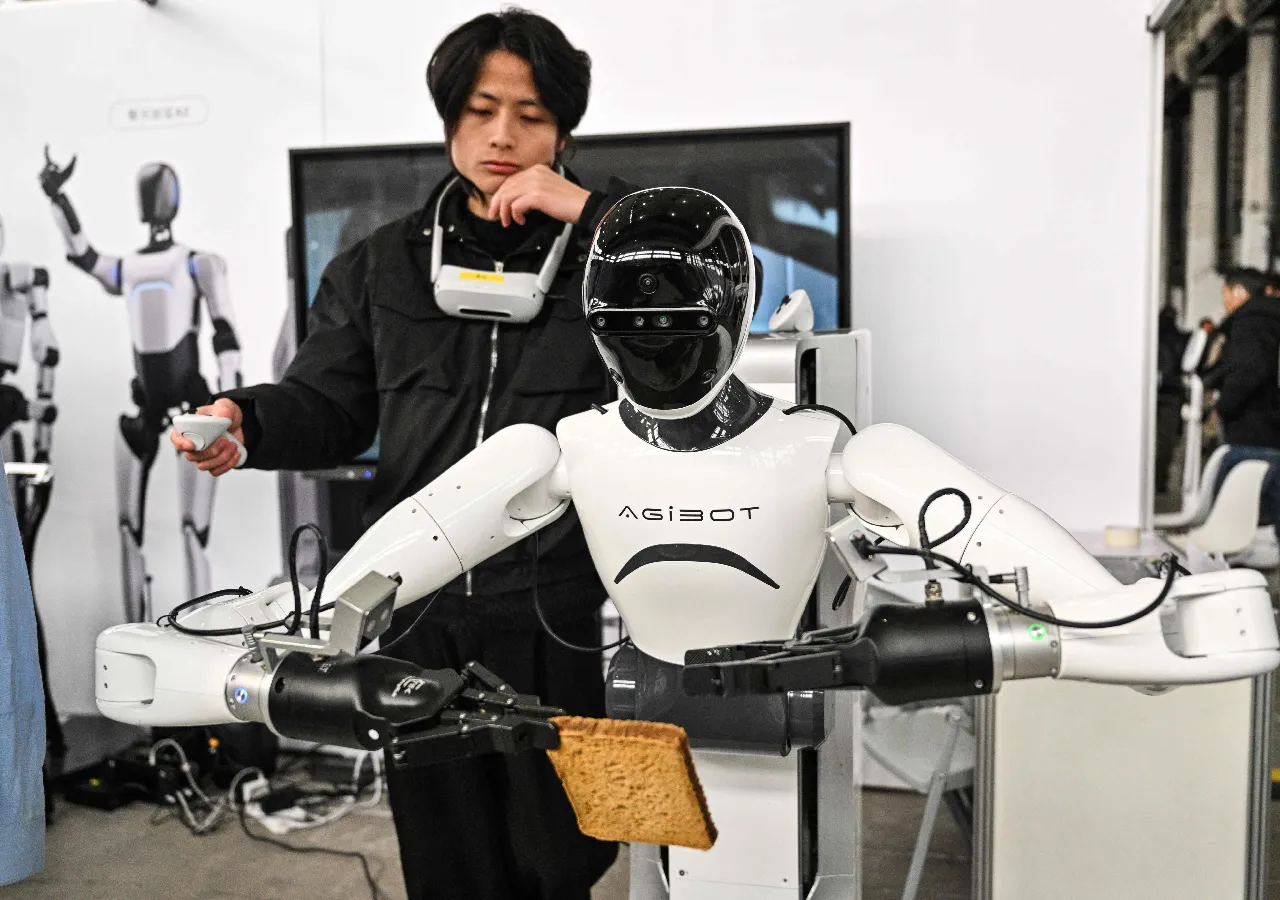
AGIBOT didn’t just show hardware. It demonstrated connectivity-driven intelligence.
At the China Telecom pavilion, the D1 quadruped robot showcased advanced 6G sensing and connectivity. That’s forward-looking, and it positions AGIBOT within next-generation telecom ecosystems.
The company also signed a Memorandum of Understanding with Singtel to develop robotics applications leveraging Singapore’s 5G infrastructure.
During a collaborative session featuring leaders from Microsoft, Qualcomm, and EY, William Shi, President of Europe at AGIBOT, emphasized the company’s long-term regional commitment.
“Europe is a vital innovation hub,” Shi said, reinforcing the company’s strategy of localized partnerships rather than centralized control.
That’s a subtle but important message. AGIBOT isn’t just exporting robots. It’s embedding into regional tech ecosystems.
Europe isn’t random.
With strong manufacturing bases in Germany and Italy, advanced telecom infrastructure in the UK and France, and growing AI regulation frameworks, Europe offers both opportunity and credibility.
AGIBOT’s recent exhibitions in Milan and Munich, followed by Barcelona at MWC 2026, show a deliberate expansion path.
And let’s be honest: robotics companies that win Europe earn global legitimacy.
We’ve seen robotics hype cycles before. Many fade because deployment is too expensive or too complex.
AGIBOT is attacking both problems:
That combination makes this launch feel less like a product announcement and more like infrastructure being laid down.
The €899 entry point is especially symbolic. It signals that humanoid robots are moving from experimental to accessible.
Is AGIBOT alone in this race? Absolutely not. But at MWC 2026, it looked prepared, scalable, and strategically aligned with telecom giants, which might be the missing piece in embodied AI adoption.
The Bigger Picture
The robotics industry is entering a new phase. We’re moving from lab experiments to scalable deployment. Flexible ownership models like RaaS may become standard.
And Europe? It’s no longer just observing innovation, it is becoming a battleground for AI robotics leadership.
In my view, AGIBOT made a calculated and strategic move at MWC 2026. Instead of hype, it delivered deployable systems, commercial pricing, and telecom alliances.
That combination is powerful.
Whether businesses adopt quickly or cautiously, one thing is clear: humanoid robotics is no longer theoretical. It’s rentable. It’s connected. And it’s expanding fast.