

/
/
Looking for the best alternatives to Oppo Find X9? We've rounded up 7 flagship phones that match or beat it in performance, cameras, and value.
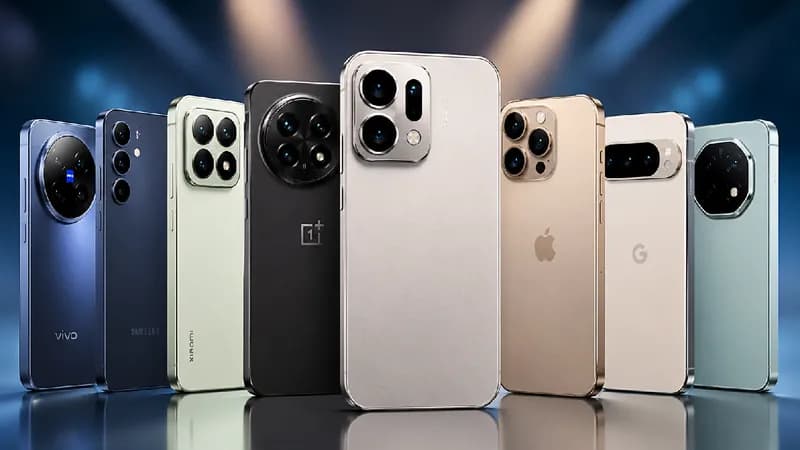
Alternatives to Oppo Find X9: The Oppo Find X9 is easily one of the most polished Android flagships launched in 2025. It has the kind of specs that instantly grab attention, a gorgeous AMOLED display, powerful Dimensity 9500 chip, capable cameras, and battery life that comfortably lasts a full day. On paper, it feels like a complete package.
But here’s the thing. The flagship market in 2026 is brutally competitive. Brands are no longer just fighting on performance. They’re fighting on camera consistency, AI features, software support, charging speeds, gaming optimization, and even ecosystem experience.
And honestly, while the Find X9 is impressive, there are several phones that simply offer more value depending on what matters most to you.
Before jumping into the detailed list, here’s a quick specs comparison of the best Oppo Find X9 alternatives right now.
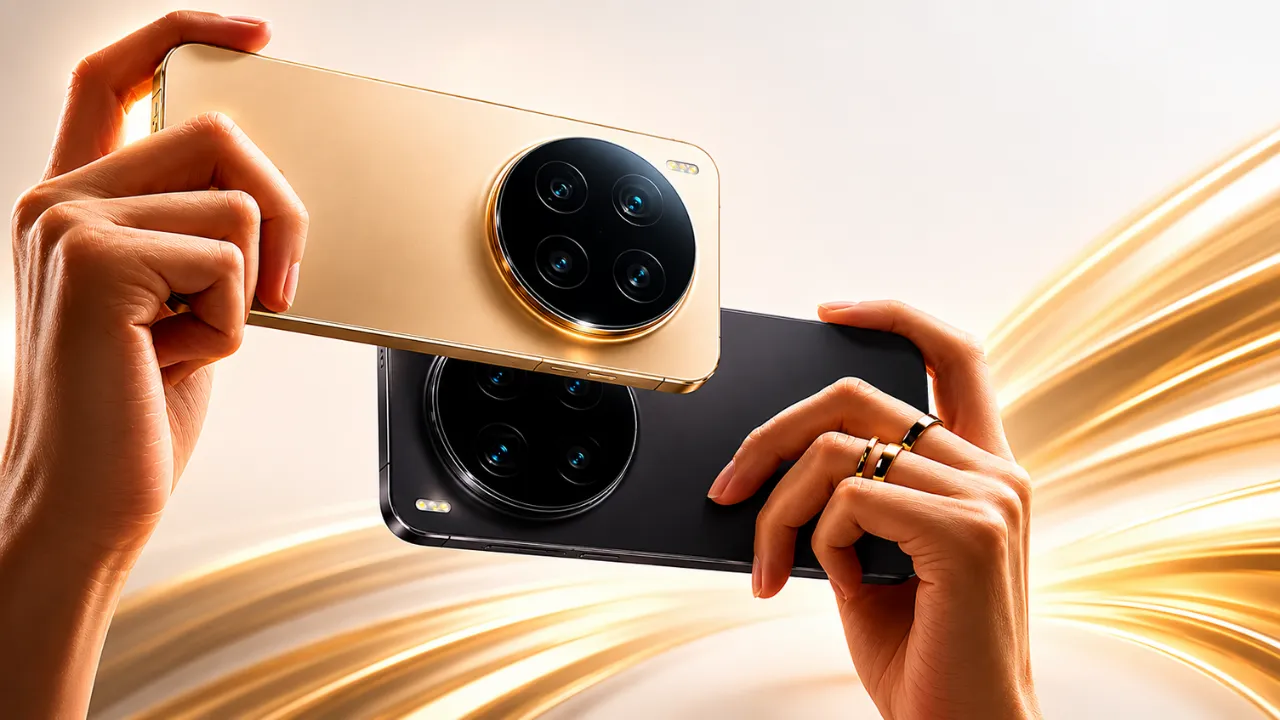
If camera quality matters more than anything else, the Vivo X300 might honestly be the better buy.
The jump from a 50MP primary sensor to a massive 200MP setup makes a noticeable difference in detail retention, especially in daylight photography. Vivo has also improved portrait processing significantly this year, and selfies from the 50MP front camera look sharper than what Oppo offers.
The LTPO AMOLED display is another highlight. It gets brighter, feels smoother, and handles power efficiency better. The only area where Oppo still wins slightly is battery capacity.
Still, for photography lovers, the Vivo X300 feels more exciting.
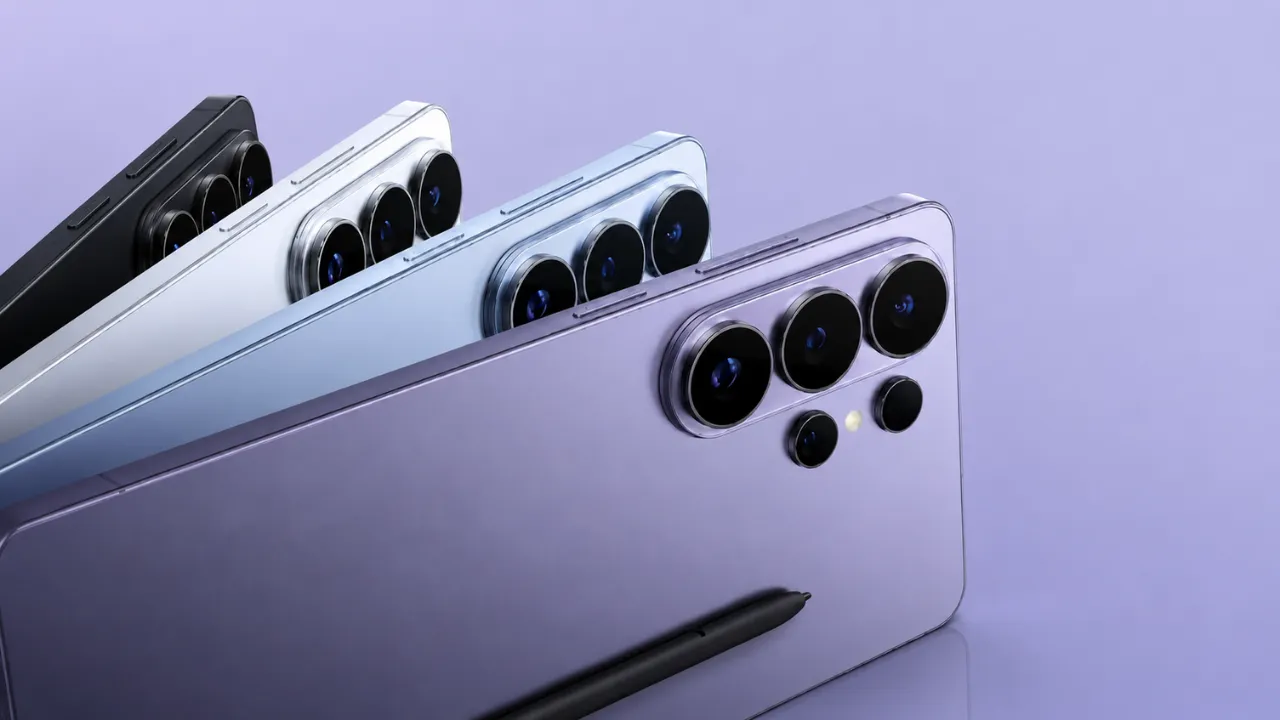
The Galaxy S26 is probably the safest flagship purchase on this list.
Samsung may not win the battery race against Chinese brands, but the company still dominates in software experience, display quality, and long-term updates. Seven years of Android upgrades is something very few brands can match right now.
What stands out most is the camera tuning. Samsung photos tend to look more natural and balanced compared to the overly processed shots many competitors produce.
Yes, the charging speeds remain painfully slow in 2026 standards, and the 4300mAh battery feels small beside the Oppo Find X9. But if reliability matters more than raw specs, the Galaxy S26 is hard to ignore.
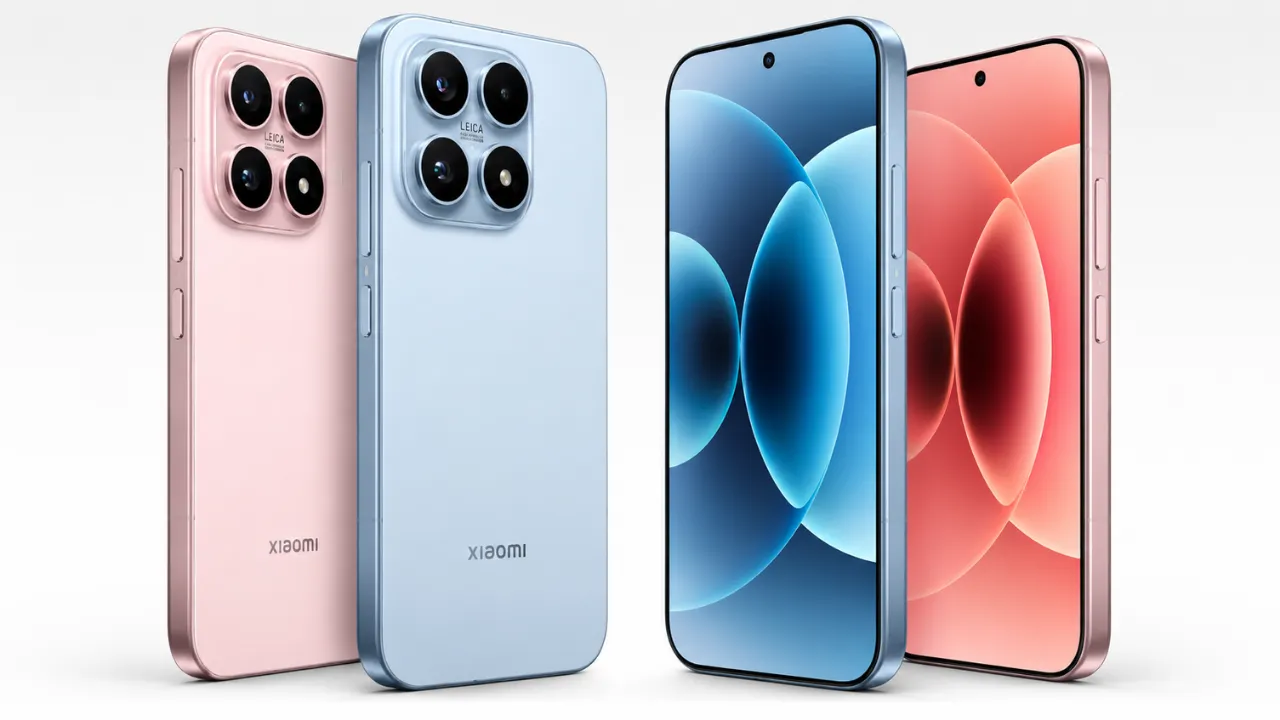
Xiaomi quietly built one of the most balanced compact flagships of the year.
The Xiaomi 17 delivers flagship performance without becoming oversized or uncomfortable to use. The Snapdragon 8 Elite Gen 5 is incredibly efficient, and the 100W charging makes the phone feel almost impossible to drain for long.
The triple 50MP camera setup is solid across all lenses, but the bigger surprise is the excellent 50MP selfie camera. Social media creators will genuinely appreciate this phone.
For people who want flagship power in a compact design, Xiaomi nailed it.
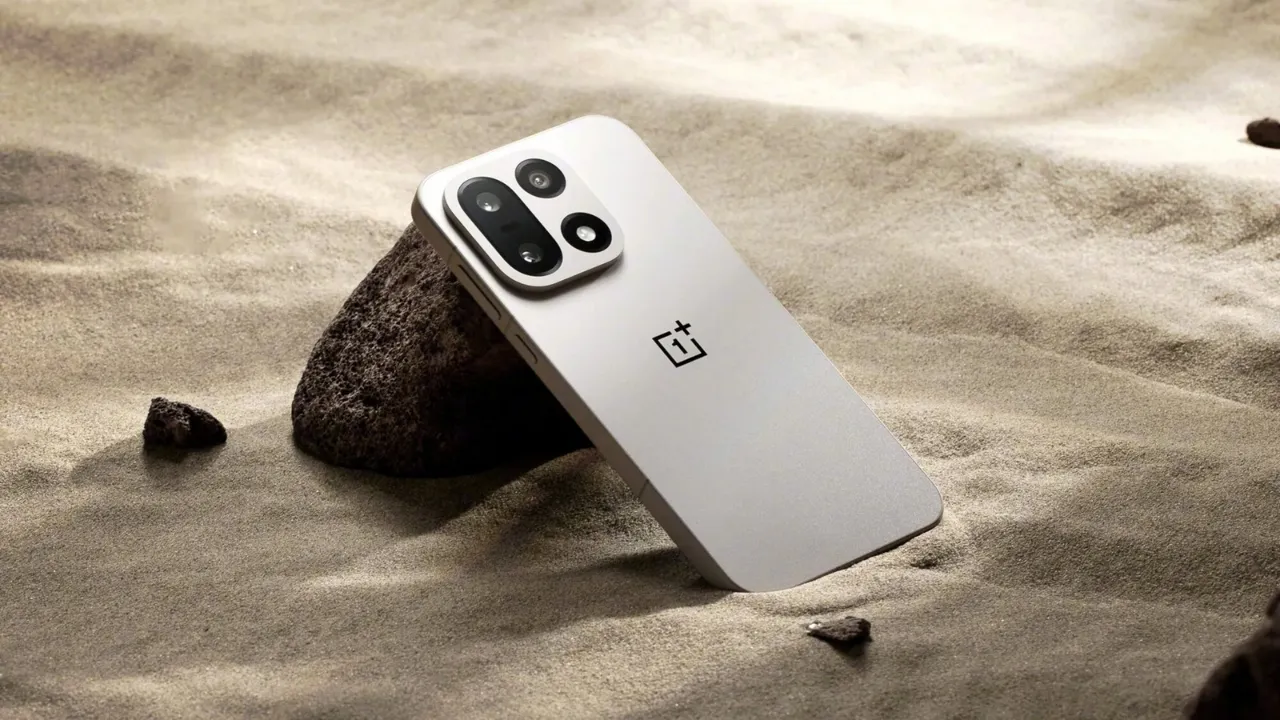
The OnePlus 15 feels built for power users.
A massive 7300mAh battery paired with 120W charging is honestly ridiculous in the best way possible. Heavy gamers, video editors, and multitaskers will immediately notice the difference.
The 165Hz display also makes scrolling and gaming feel absurdly smooth. Combined with the Snapdragon 8 Elite Gen 5 chip, this is arguably the fastest Android phone on this list.
What makes it even more impressive is that OnePlus didn’t compromise much on cameras either. The rear setup stays competitive with Oppo while offering slightly better zoom capabilities.
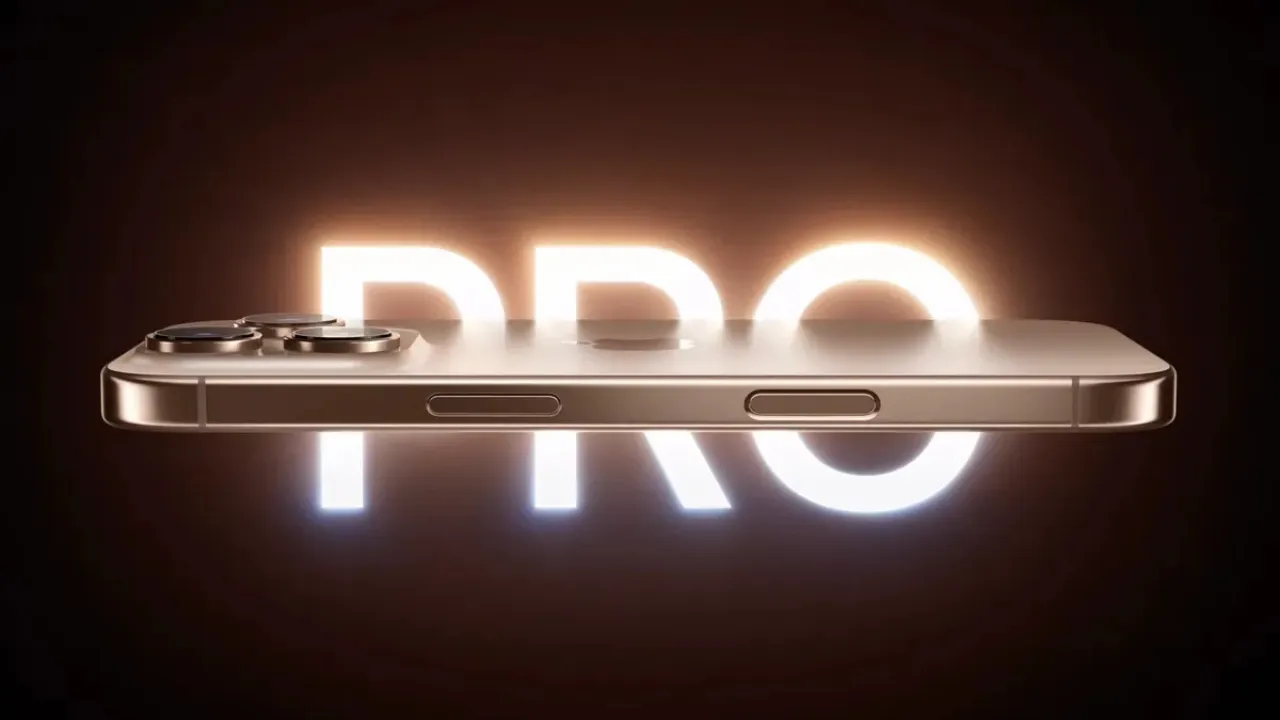
Not everyone wants to switch to iOS, but for users considering it, the iPhone 16 Pro Max remains a monster flagship.
Apple’s A18 Pro chip still leads the industry in raw performance and video recording quality. No Android phone consistently beats the iPhone when it comes to cinematic video capture.
Battery life is excellent too, despite the smaller battery size on paper. Apple’s software optimization continues to work magic here.
The downside? Charging speeds still feel outdated, especially compared to Chinese rivals pushing 100W and beyond.
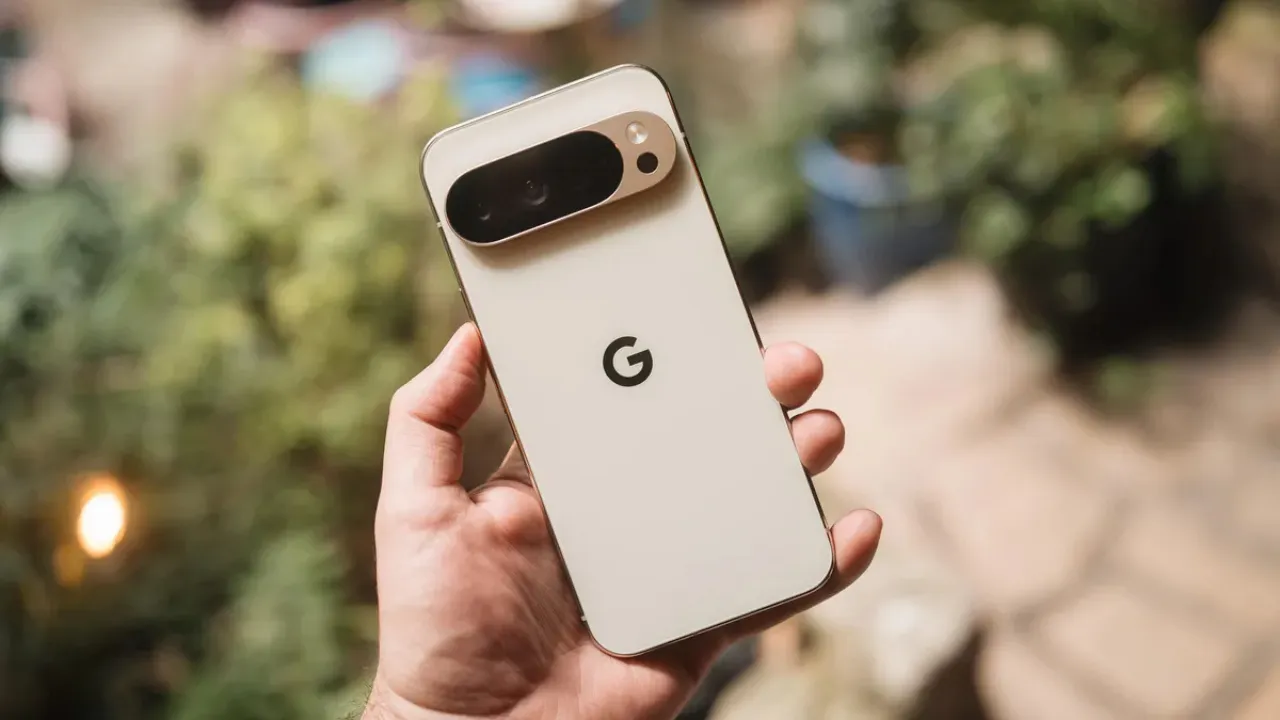
The Pixel 10 Pro XL is for Android purists.
Google’s camera processing remains unmatched in tricky lighting conditions, skin tones, and realistic HDR shots. The AI integration also feels genuinely useful instead of gimmicky.
Features like live transcription, on-device AI editing, and smart voice tools make the Pixel feel smarter than most flagships available today.
The Tensor G5 may not beat Snapdragon chips in gaming benchmarks, but for everyday use, the experience feels smooth and refined.
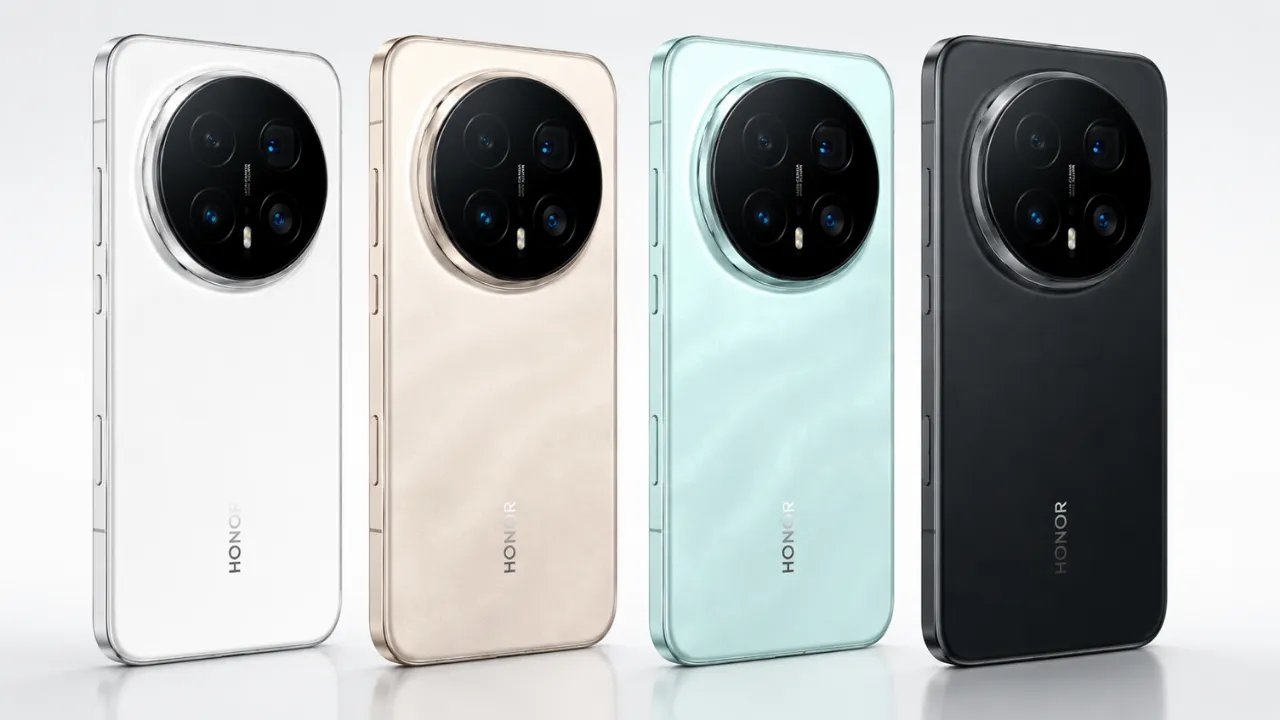
The Honor Magic 8 Pro is probably the most underrated flagship here.
A 7100mAh silicon-carbon battery, 200MP telephoto camera, Snapdragon 8 Elite Gen 5, IP69K durability, and insanely fast charging, it almost sounds too good to be true.
What’s surprising is how aggressively priced Honor phones still are compared to Samsung and Apple flagships. For users wanting maximum hardware without paying ultra-premium prices, this phone deserves serious attention.
The Oppo Find X9 is still a fantastic flagship phone. But the reality is simple: in 2026, “good enough” isn’t enough in the premium segment anymore.
The best choice really depends on what kind of user you are. But one thing is clear: Oppo is no longer competing alone at the top. Take your time, weigh your priorities, and pick the one that actually fits your life, not just the specs sheet.










